



Cosmic Crumbs from a Famous Comet
So, what exactly is the Orionid meteor shower? It’s an annual event that occurs when Earth passes through a trail of cosmic dust and debris left behind by one of the most famous objects in our solar system: Halley's Comet. These tiny particles, many no
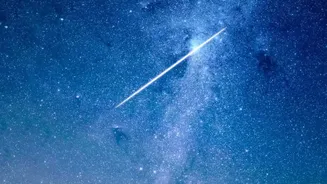
bigger than a grain of sand, enter our atmosphere at incredible speeds—about 66 kilometres per second—and burn up, creating the spectacular streaks of light we call meteors or 'shooting stars'. The Orionids are considered one of the most beautiful showers of the year, known for producing bright, fast meteors that can sometimes leave glowing trails that linger for a few moments. Halley's Comet itself only visits the inner solar system every 76 years, but we get to enjoy this light show from its leftovers every single October.
Peak Viewing in October 2026
Mark your calendars. In 2026, the Orionid meteor shower will be active from early October to early November, but the best time to watch will be during its peak on the night of October 21-22. You can expect to see around 15 to 20 meteors per hour under ideal dark sky conditions. However, there is a challenge this year: a bright waxing gibbous Moon will be in the sky during the peak's early hours. But don't let that discourage you. The Moon is expected to set around 3 a.m. local time, opening a window of dark skies until dawn. This post-moonset period is your golden opportunity for the best viewing experience. The hours between midnight and dawn are generally prime time for meteor watching anyway.
Why It's Ideal for Beginners
Several factors make the Orionids a great starting point for aspiring stargazers. First, you don’t need any special equipment like a telescope or binoculars; the show is best enjoyed with the naked eye. Second, the shower has a broad peak, meaning that if you miss the absolute peak night on October 21-22, you still have a good chance of spotting meteors on the nights before and after. Finally, the Orionids are known for their speed and brightness. This increases your chances of spotting them, even if your sky isn't perfectly dark. Some can even produce intensely bright 'fireballs,' which are dramatic enough to be seen from less-than-ideal urban locations.
Your Urban Stargazing Guide
Watching a meteor shower from a city requires a bit of strategy. The biggest enemy is light pollution, so your primary goal is to find the darkest spot possible. This could be a large park, a sports field, or even the top floor of a tall building with an unobstructed view of the sky. Give your eyes at least 20-30 minutes to fully adapt to the darkness; this means putting your phone away. If you need a light, use a red flashlight, as red light doesn't spoil your night vision. The meteors will appear to radiate from the constellation Orion, but you don't need to stare directly at it. In fact, looking about 45 degrees away from the radiant point will often give you a better view of meteors with longer tails.
Setting Realistic Expectations
It's important to remember that a 'meteor shower' isn't a constant downpour of shooting stars. The listed rate of 20 meteors per hour is an ideal figure for a perfectly dark, clear sky. In a city, you will likely see far fewer. The key is patience. Get comfortable in a reclining chair or on a blanket, dress in warm layers, and be prepared to wait. Instead of feeling discouraged if you don't see a meteor every minute, savour the experience of watching the night sky. Each shooting star you spot will feel like a special reward. The post-monsoon period of October and November often offers some of the clearest skies of the year in India, as the rain washes away dust from the atmosphere, further boosting your chances.