



Embrace the Glow with Lights and Diyas
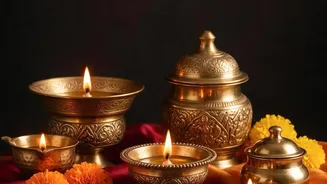
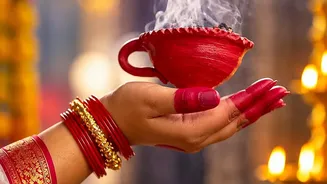
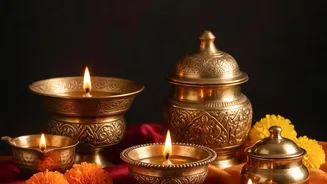
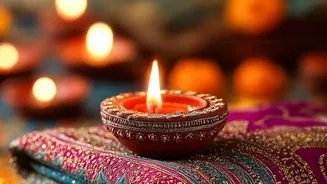
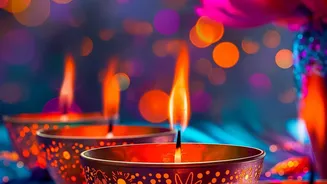
No festival is complete without the warm, inviting glow of lights. During Navratri and Durga Puja, lighting diyas (earthen lamps) is a cherished tradition that symbolises the triumph of light over darkness. Place them at your entrance, in the puja room,
and on your balcony to create a serene ambience. For a modern yet traditional touch, entwine fairy lights around pillars, drape them behind sheer curtains, or place them in glass jars for a magical effect. This simple addition instantly makes any corner feel festive and bright, creating a welcoming atmosphere for both family and the divine.
Welcome Auspiciousness with Floral Decor
Flowers are an indispensable part of Indian festivals, and for good reason. Marigolds, with their vibrant orange and yellow hues, are particularly auspicious for Navratri and Durga Puja. Their colour is associated with the sun, representing warmth, positivity, and divine energy. String them into long garlands, or 'torans', to hang at your main door along with mango leaves, a traditional sign of welcome. You can also scatter fresh petals in a bowl of water or create a beautiful floral rangoli at your doorstep. Marigolds are not only beautiful but also stay fresh for several days, making them a practical choice for a nine-day festival.
Create a Sacred Focal Point
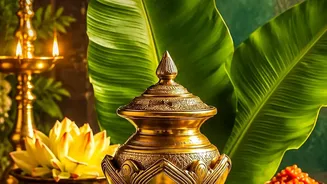
The heart of the celebration is the puja corner or mandir. This space deserves special attention. Start by cleaning the area thoroughly and placing a fresh, colourful cloth—like a red or yellow dupatta or an old silk saree—on the platform where you will place the deity. Decorate this central spot with flower garlands, a beautiful backdrop, and lights. Even a small, clean shelf can be transformed into a divine altar. The idea is to create a peaceful, dedicated space that becomes the focal point for your prayers and celebrations during the nine days.
Design with Traditional Floor Art
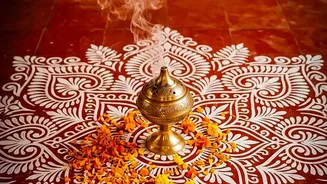
Floor art is a beautiful way to welcome the Goddess into your home. In Bengal, this is known as 'Alpana', traditionally drawn with rice flour paste. Common motifs include lotus flowers, fish, and the feet of the goddess, often in a classic red-and-white style. Similarly, a colourful rangoli at the entrance is a staple in many homes across India during Navratri. You don't need to be an artist; simple geometric patterns or floral designs made with coloured powders, rice flour, or even flower petals can look stunning. Using stencils can also help create a neat design quickly.
Incorporate Traditional Textiles
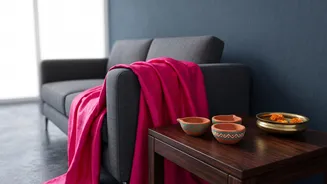
Bring out your best fabrics to add colour and texture to your home. Brightly coloured dupattas, old sarees with beautiful borders, or ethnic cushion covers can instantly elevate your decor. Use them as backdrops for your puja mandir, as drapes for your Golu steps, or simply as vibrant throws on your sofa. Fabrics with traditional Indian prints like Bandhani or Ikat can add a rich, cultural feel to the space. This is an easy and cost-effective way to infuse your home with festive colours without making permanent changes.
Set Up a Navratri Golu Display
A beloved tradition in many South Indian homes is the Golu, a tiered display of dolls and figurines. The steps are typically arranged in odd numbers (like 3, 5, or 7) and covered with cloth. These displays often tell stories from mythology or depict scenes of village life. You can create your own steps using wooden crates, cardboard boxes, or even bookshelves. Arranging the dolls is a wonderful family activity, and the display itself becomes a beautiful and meaningful centrepiece for the nine days of Navratri, symbolising spiritual ascent.