



From Garden Staple to Decor Star
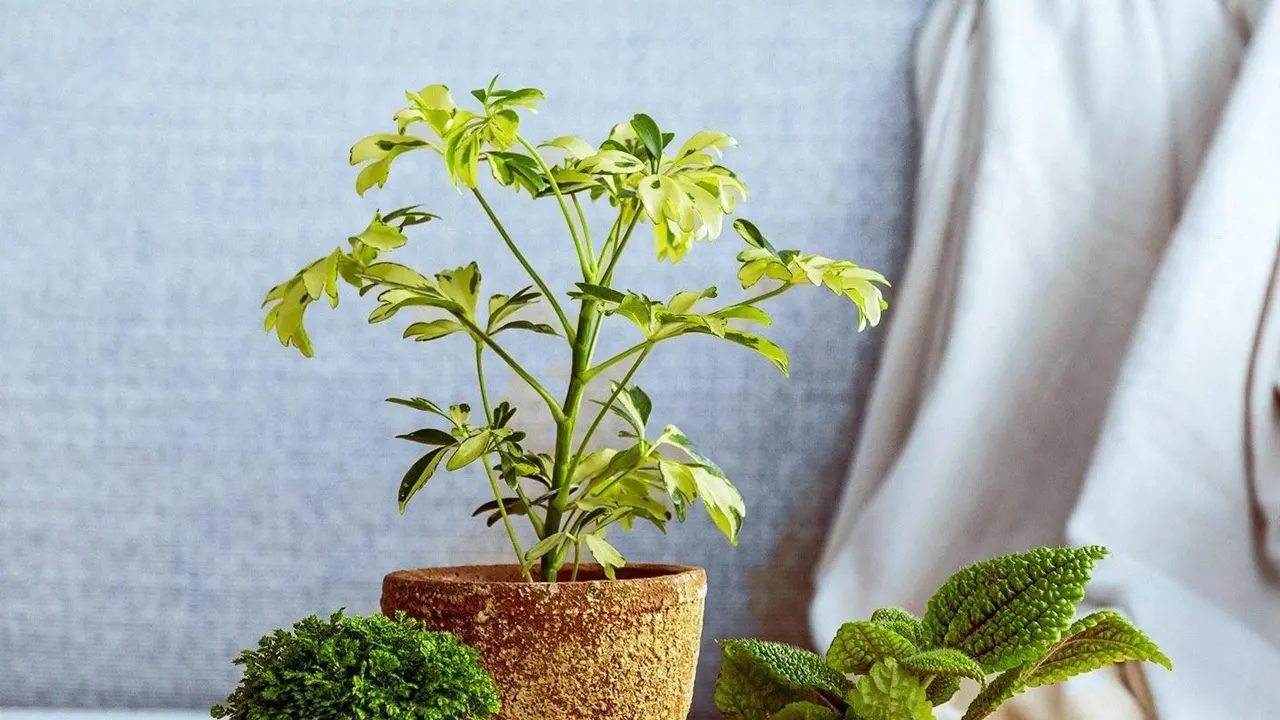
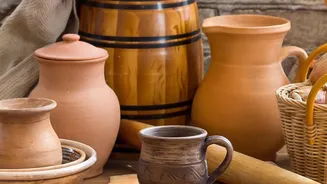
There was a time when terracotta pots were relegated to the balcony or garden, quietly holding plants. Today, they are stepping into the living room as chic centrepieces. This isn't just about painting a pot; the upcycling trend is about giving old, chipped,
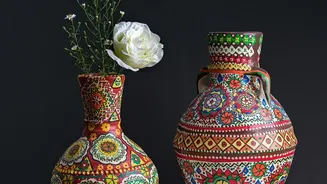
or forgotten clayware a second life with creativity. Imagine a broken 'matka' pieced back together, its cracks traced in gold in the style of Japanese Kintsugi, or a set of mismatched pots unified with a trendy chalk-paint finish. These are not just planters anymore; they are lamps, decorative vases, and sculptural objects that tell a story of renewal. This revival is part of a larger appreciation for handcrafted items, with homeowners increasingly seeking decor that feels personal and authentic over mass-produced goods.
A Statement of Sustainable Living
At its core, the upcycled pottery trend is driven by a growing eco-consciousness. As consumers become more aware of their environmental footprint, the idea of repurposing what you already have is gaining powerful appeal. Upcycling is the creative reuse of waste materials, transforming them into something of higher value. By cleaning up an old pot, mending a broken one, or decorating it with leftover fabric scraps, people are participating in a circular economy, reducing waste one planter at a time. This movement taps into a long-standing Indian tradition of resourcefulness, now updated for the modern home. Choosing to upcycle is a small but meaningful act that pushes back against a 'use and throw' culture, making your decor both beautiful and responsible.
The Perfect Fit for the Modern Indian Home
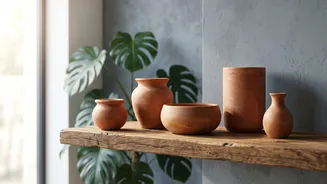
The aesthetic versatility of clay is a key reason for its rising popularity. The earthy, warm tones of terracotta blend seamlessly with contemporary interior styles, from stark minimalism to bohemian chic. A cluster of hand-painted pots can add a pop of colour to a neutral-toned room, while a single, large upcycled pot can serve as a rustic focal point. Designers and homeowners are pairing these clay pieces with natural materials like wood, jute, and linen to create spaces that feel grounded and serene. The trend also allows for immense personalisation. Techniques like decoupage, hand-painting traditional motifs like Madhubani art, or creating textured finishes give everyone the chance to create something unique that reflects their personal style.
Beyond the Metros: A Tier Two Renaissance
Interestingly, this trend is not confined to the major metropolitan hubs of Mumbai or Bengaluru. It is finding fertile ground in Tier II cities like Jaipur, Lucknow, and Chandigarh. The reasons are twofold. First, there's often easier and more affordable access to traditional potters and raw materials in these regions. Second, the digital explosion of social media and DIY tutorials has democratised design inspiration. A homeowner in a smaller city can now access the same global trends and ideas as someone in a metro. This has sparked a creative renaissance, where local craft traditions are being reinterpreted with a modern twist, leading to a vibrant and authentic design language that is spreading across the country.
The Hands-On Appeal of DIY
Much of the momentum behind upcycled pottery comes from the joy of doing it yourself. The rise of pottery workshops and the availability of DIY kits have empowered people to become creators, not just consumers. Painting and decorating a simple clay pot is an accessible and therapeutic activity, offering a break from screen time and a chance to engage in a mindful, hands-on craft. It’s an inexpensive hobby with a rewarding outcome: a beautiful piece of decor that you made yourself. This hands-on aspect transforms a simple object into something with emotional value, a piece of decor that carries a personal story and a sense of pride.