




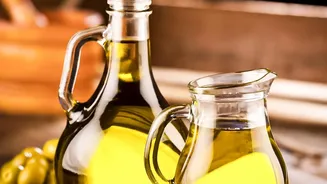
Why Is Your Cooking Oil Getting Pricier?
The pinch you feel at the local kirana store is the result of a complex mix of global and domestic factors. India is the world's largest importer of vegetable oils, sourcing nearly two-thirds of its demand from abroad. This makes the nation's kitchens
vulnerable to international market shifts. Key suppliers like Indonesia and Malaysia are diverting more palm oil towards producing biodiesel, reducing the amount available for export as food. This shift, combined with geopolitical disruptions affecting sunflower oil supplies from the Black Sea region and unpredictable weather patterns, has tightened the global supply chain. On the domestic front, the government is performing a delicate balancing act, trying to keep prices low for consumers without discouraging local oilseed farmers with excessively low import duties.
The Strain on Festive Feasts
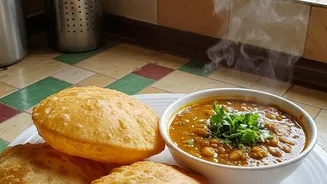
The timing of this price surge is particularly challenging as India heads into its main festive season, which runs from September to November. This is a period when oil consumption typically peaks. Families across the country prepare oil-intensive delicacies, from deep-fried puris and samosas to an array of mithai. The increased cost of a fundamental ingredient like oil means the budget for these cherished celebrations could be strained. For many households, this might mean cutting back on the quantity of festive treats, which are central to the spirit of get-togethers and gifting. The price of other festive staples, like sugar, is also on the rise, adding another layer of financial pressure on families.
Smart Swaps in the Kitchen
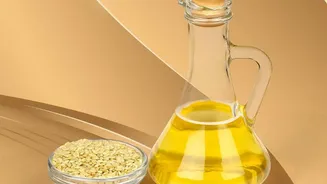
While you can't control global prices, you can make savvy choices in your own kitchen. This doesn't have to mean compromising on flavour or tradition. Consider rotating different locally produced oils, which can be more budget-friendly. Mustard oil, with its pungent flavour, is a staple in North and East India and remains one of the more affordable options. Similarly, groundnut and sesame oils are excellent for various types of Indian cooking and often have more stable prices than imported oils. A2 cow ghee, though a premium product, is a stable fat for deep frying and its rich flavour means you can often use less.
Cooking Techniques to Conserve Oil
Beyond changing your oil, changing your cooking method can lead to significant savings. Air fryers have become increasingly popular for their ability to achieve a crispy texture with minimal oil. Baking, steaming, and pressure-cooking are other excellent, healthy methods that reduce the need for oil. When you do fry, use a smaller kadai or pan, which requires less oil to achieve the necessary depth. Also, simple habits like measuring oil with a spoon instead of pouring it directly from the bottle can help control consumption and make your supply last longer. These small adjustments not only save money but can also lead to healthier meals.
What Happens Next?
The government is aware of the burden on households and is reportedly considering a cut in import duties to help cool prices ahead of the festive rush. However, previous duty cuts have had mixed results, with global prices sometimes rising to absorb the difference. This highlights the challenge of balancing immediate consumer relief with the long-term goal of increasing domestic oilseed production to reduce import dependency. For now, it seems Indian home cooks will need to rely on their own ingenuity to navigate the high costs. By making informed choices about the type of oil they buy and the methods they use to cook, families can continue to enjoy delicious meals without breaking the bank.