

Vazhaithandu Poriyal (Tamil Nadu)
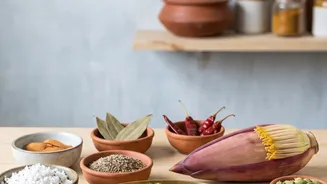
In South India, nothing goes to waste, and the banana plant is a prime example. While the fruit is famous, its stem, or 'vazhaithandu', is a culinary star in its own right. Often discarded, the inner core of the banana stalk is fibrous and incredibly
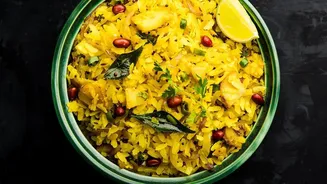
nutritious. Vazhaithandu Poriyal is a simple stir-fry where the chopped stem is cooked with lentils, mustard seeds, and grated coconut. The stem has a mild taste and a satisfyingly crunchy texture, absorbing the flavours of the tempering beautifully. It’s a dish that champions the art of using the entire plant, proving that deliciousness can be found in the most unexpected parts.
Nadru Yakhni (Kashmir)
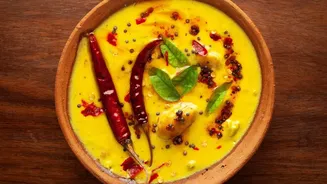
Known as 'kamal kakdi' in Hindi, the lotus stem is an aquatic vegetable that’s a delicacy in Kashmiri cuisine. While used in other parts of India, its role in Kashmiri kitchens is legendary. Nadru Yakhni is a subtle, yoghurt-based curry where thick, crunchy slices of lotus stem are simmered in a fragrant gravy seasoned with fennel and ginger. The lotus stem’s unique, lace-like appearance and crisp texture remain even after cooking, providing a delightful contrast to the creamy, mellow yakhni. This dish turns a muddy root into a sophisticated and elegant centrepiece.
Bhaang Ki Chutney (Uttarakhand)
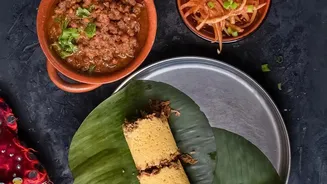
Don't let the name alarm you. This zesty chutney from the hills of Uttarakhand is made from hemp seeds, not the leaves, and has no psychoactive effects. Hemp seeds ('bhaang ke beej') are a powerhouse of protein and omega fatty acids but are often overlooked in mainstream Indian cooking. To make the chutney, the seeds are roasted to bring out a nutty aroma and then ground into a paste with mint, coriander, chillies, and lemon juice. The result is a tangy, flavourful condiment with a unique, slightly coarse texture that perfectly accompanies Pahadi meals.
Pithla (Maharashtra)
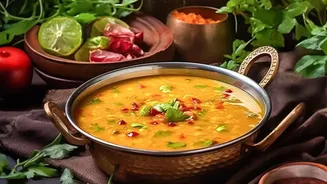
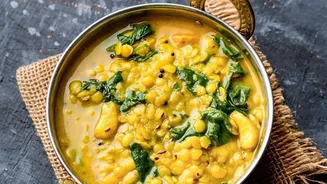
Pithla is a testament to Maharashtrian resourcefulness, a hearty and comforting curry made from a humble pantry staple: besan (gram flour). Born out of necessity in the dry regions of the state where fresh vegetables were scarce, Pithla is a versatile and quick dish. A simple batter of gram flour, water, and spices is cooked until it thickens into a creamy, porridge-like consistency, then tempered with onions, garlic, and green chillies. It’s often served with Bhakri (a type of flatbread) and is cherished as peasant food elevated to soul-satisfying comfort.
Aloo Posto (Bengal)
Poppy seeds ('posto' in Bengali) are a beloved ingredient in Bengal, but they remain a regional specialty, largely neglected elsewhere. Aloo Posto is the quintessential Bengali comfort food that showcases the magic of these tiny seeds. Potatoes are cooked in a thick, creamy paste of ground poppy seeds, seasoned with pungent mustard oil and fiery green chillies. The poppy seeds lend a distinctive nutty flavour and a rich texture that transforms the simple potato into a dish of sublime simplicity. It’s a staple that proves complexity isn’t always necessary for a memorable meal.
Murungai Keerai Poriyal (South India)
The drumstick vegetable is common in South Indian sambar, but its leaves ('murungai keerai') are a nutritional powerhouse that often get ignored. These tiny leaves are packed with iron and vitamins. Murungai Keerai Poriyal is a simple stir-fry where the leaves are sautéed with onions, garlic, and sometimes lentils and coconut. The leaves have a slightly bitter taste, similar to fenugreek, which mellows upon cooking. It's a quick, healthy, and delicious way to use an ingredient that grows abundantly but is rarely the star of the show.
Sohphlang Salad (Meghalaya)
Travel to the hills of Meghalaya and you'll discover Sohphlang, an edible tuberous root that is almost entirely unknown to the rest of India. Eaten raw, Sohphlang is crunchy, juicy, and has a nutty, slightly sweet flavour reminiscent of a water chestnut. It is a staple for the Khasi and Jaintia tribes, who believe it has de-worming properties. It is most commonly enjoyed as a simple salad or snack, peeled and eaten with salt, chilli powder, and a paste made from roasted perilla seeds ('nei-lieh'). This highlights a food culture deeply connected to the wild, foraged produce of the land.
Hokh Syun (Kashmir)
This dish is a masterclass in preservation and flavour, born from Kashmir's harsh winters. 'Hokh Syun' translates to dried vegetables, a traditional method of preserving the summer's bounty of gourds, tomatoes, turnips, and aubergines for the cold months when fresh produce is unavailable. These sun-dried vegetables are then rehydrated and cooked into a robust, flavourful curry. The drying process concentrates their taste, giving the dish a unique, slightly smoky depth that fresh vegetables cannot replicate. It’s a dish that tells a story of survival, ingenuity, and the wisdom of living in harmony with the seasons.