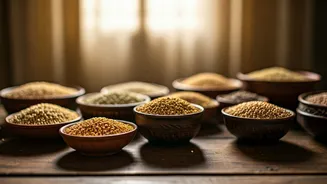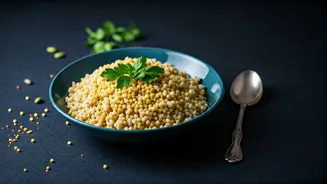




What Exactly Is a Bajra Bowl?
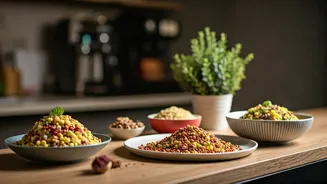
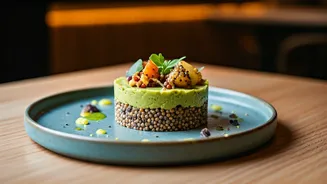
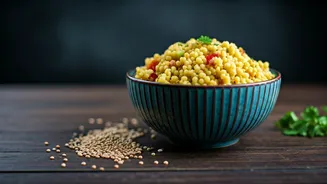
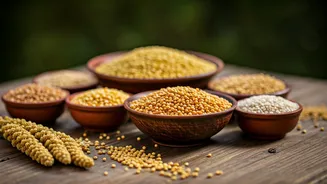
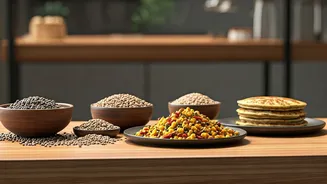
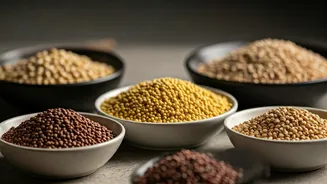
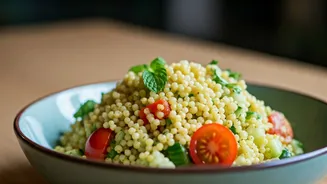
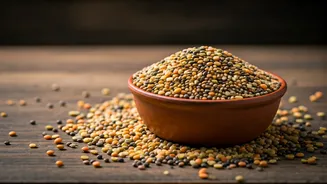
Think of it as a modern Indian take on the global grain bowl trend. The foundation is cooked pearl millet, or bajra, which has a fluffy texture and a mild, nutty flavour. From there, it’s a canvas for culinary creativity. Cafes are loading these bowls
with a vibrant mix of roasted vegetables, leafy greens, legumes like chickpeas or kidney beans, and often a protein like grilled paneer or chicken. The finishing touches are what elevate it: a zesty lemon-tahini dressing, a sprinkle of toasted seeds, or a dollop of creamy yogurt. The result is a meal that’s both nourishing and packed with diverse flavours and textures.
The Rise of the Local Superfood
For years, the 'healthy' label in cafes was reserved for imported darlings like quinoa and avocado. Now, there's a conscious shift towards embracing local, traditional ingredients. Diners are realising that our own ancient grains are nutritional powerhouses. Bajra, for instance, is a gluten-free grain rich in fibre, protein, iron, and magnesium. This move away from imported superfoods is also a nod to sustainability; millets are hardy crops that require significantly less water than rice and wheat, making them an environmentally sound choice for India's climate. This combination of health benefits and eco-consciousness makes bajra bowls a guilt-free indulgence for the modern consumer.
From Forgotten Grain to Gourmet Staple
Bajra’s journey from a rural staple to a premium cafe ingredient has been accelerated by a larger cultural movement. The United Nations declaring 2023 as the 'International Year of Millets,' a proposal driven by India, created a massive wave of awareness. This governmental push encouraged chefs and restaurateurs to innovate with millets, reintroducing them to an urban audience that had largely forgotten them. Once seen as 'poor man's food', millets are now being celebrated for their versatility and heritage. Cafes are playing a crucial role in this revival, presenting bajra not in the form of simple rotis, but in aspirational, Instagram-friendly formats that appeal to a new generation of health-conscious foodies.
A Nutrient-Packed Powerhouse
The appeal of a bajra bowl goes far beyond its trendiness; it's rooted in solid nutritional science. The high fibre content aids digestion and promotes a feeling of fullness, which can help with weight management. Its low glycemic index ensures a slow release of energy, preventing the blood sugar spikes associated with refined grains like wheat and white rice, making it an excellent choice for diabetics. Furthermore, bajra is packed with essential minerals. The magnesium and potassium support heart health by helping to regulate blood pressure, while phosphorus and calcium contribute to stronger bones. Being naturally gluten-free, it's also a safe and delicious option for those with celiac disease or gluten sensitivity.