







Swapping Crowds for Calm
The traditional tourist trail, with its peak-season rush and checklist of sights, is losing its charm for many young professionals. Recent data shows a significant shift, with a majority of Gen Z and Millennial travellers reporting workplace burnout and seeking
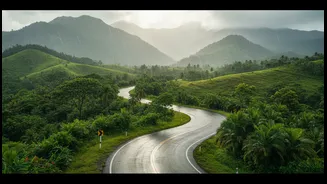
trips focused on relaxation and nature. The monsoon season, once avoided, now offers a solution: fewer crowds, lower prices, and a chance to experience popular destinations like Goa, Kerala, or Himachal in a more peaceful, authentic state. This is a conscious choice to trade the chaos of peak-season travel for quiet solitude and a more intimate connection with a place. The focus is no longer on seeing everything, but on feeling something.
Redefining the Spiritual Journey
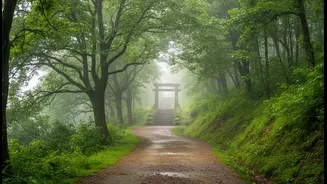
For this new generation of travellers, a 'spiritual journey' has expanded beyond traditional pilgrimage. While temple towns like Varanasi, Rishikesh, and Ujjain are seeing a surge in young visitors, the motivation is often a blend of faith, cultural curiosity, and a quest for personal growth. The concept now embraces a broader spectrum of wellness. It includes yoga and meditation retreats, Ayurvedic treatments that are considered more effective during the monsoon, and silent retreats designed to combat digital fatigue. This modern pilgrimage is less about prescribed rituals and more about finding inner peace, whether it's through a Ganga aarti in Varanasi, a yoga session in Rishikesh, or simply mindful moments in a rain-drenched forest.
The Rise of Slow Travel
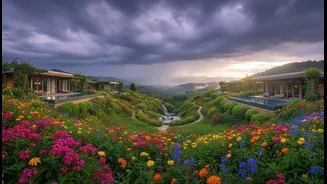
This trend is intrinsically linked to the global rise of 'slow travel'—a philosophy that prioritises depth over distance. Instead of hectic, multi-city tours, young Indians are opting for longer stays in a single location, often in homestays or boutique properties. This approach allows for genuine cultural immersion, from participating in local workshops to simply observing the daily rhythms of a place without a packed itinerary. The monsoon season enhances this slow-paced approach. The rain itself encourages a slower, more introspective mood, making it the perfect backdrop for reading, journaling, and disconnecting from the pressures of city life. It's about being present, not just being there.
Nature as the Healer
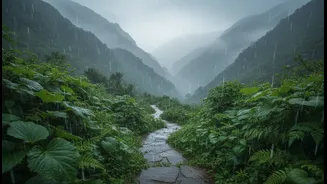
The monsoon transforms the Indian landscape into a lush, vibrant paradise, and this connection to nature is a powerful draw. The sensory experience—the sound of rainfall, the vibrant green of the foliage, the earthy smell of petrichor—has a profoundly calming and restorative effect. Destinations in the Western Ghats, such as Coorg and Wayanad, or the misty hills of the Himalayas, become immersive natural sanctuaries. Activities like hiking to overflowing waterfalls, forest bathing, or simply watching clouds roll through a valley become a form of meditation. This deep dive into nature is a key part of the healing process for many, offering a tangible escape from urban burnout.
An Authentic, Mindful Escape
Ultimately, the appeal of a monsoon spiritual journey lies in its authenticity. It’s a move away from curated, picture-perfect holidays towards more meaningful and personal experiences. Young travellers are increasingly seeking trips that reflect their values: sustainability, wellness, and a genuine connection to culture and self. By choosing the off-season, they find not only better deals and fewer tourists but also a more authentic version of India. It's a travel trend that reflects a deeper societal shift—a generation prioritising mental well-being and seeking moments of quiet reflection in a noisy world. The journey is no longer just about the destination, but about the renewal found along the way.