



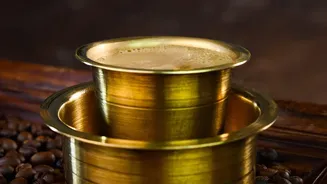
A Sip of Ancient Wisdom
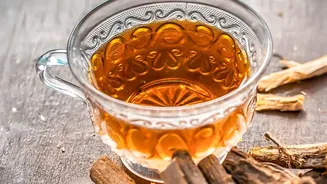
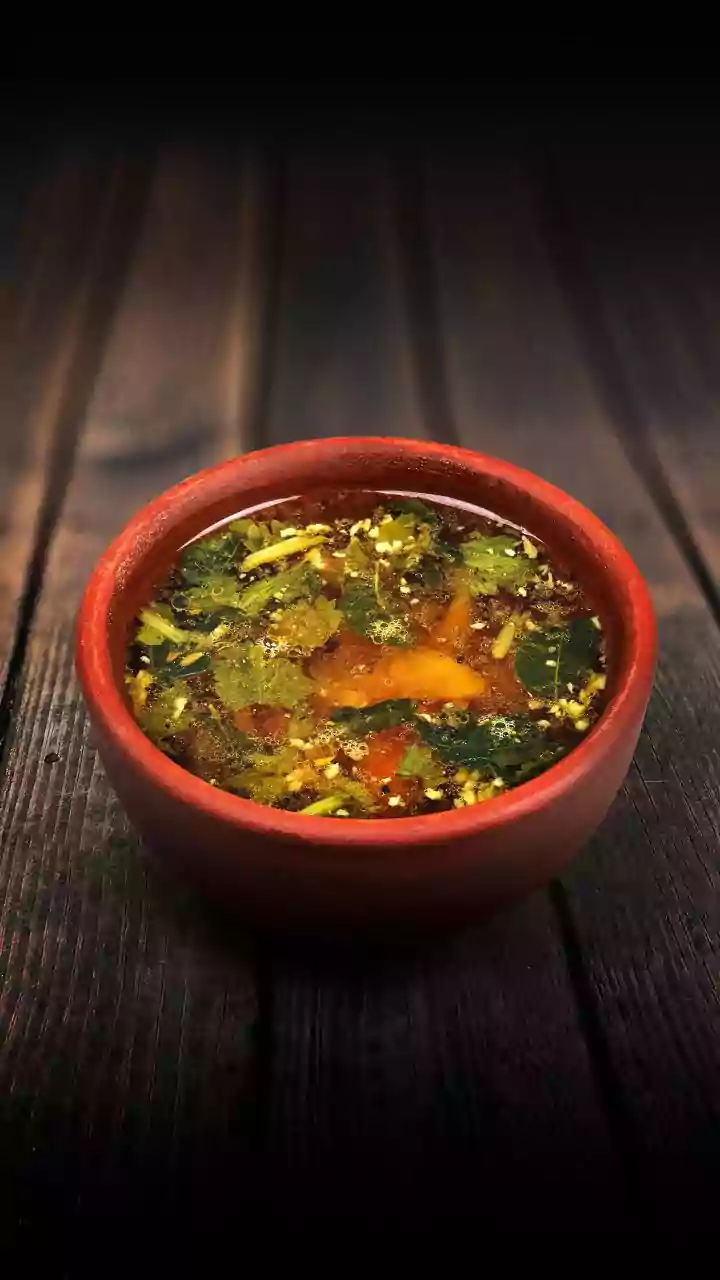
At its core, a kashayam is a water-based decoction, or 'kwatha', made by boiling medicinal herbs, spices, roots, and leaves to extract their water-soluble healing properties. Rooted in the ancient science of Ayurveda, these brews have been a first line
of defence against common ailments for centuries. Unlike popping a pill, the preparation of a kashayam is a deliberate process. Specific herbs are boiled in a set amount of water, often until the liquid reduces to a fraction of its original volume, creating a potent, bioavailable extract that the body can easily absorb. This method ensures that the essence of the plants is captured in every single sip.
The Pharmacy in Your Garden
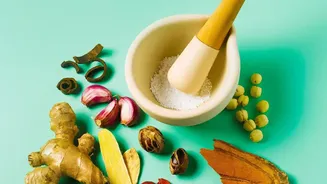
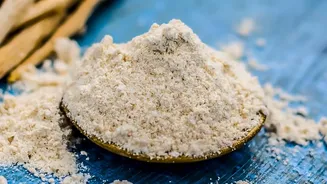
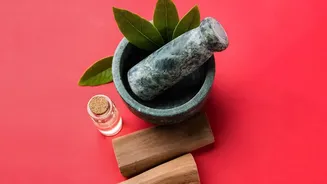
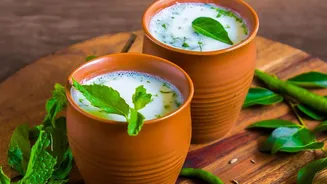
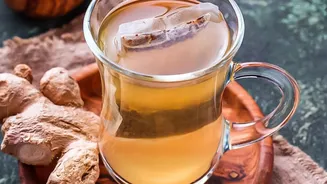
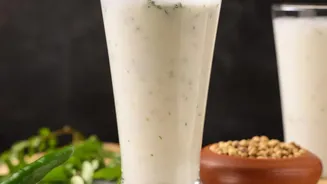
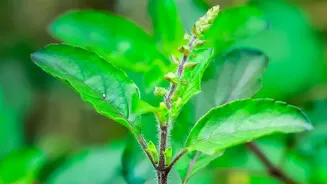
The true beauty of the kashayam tradition lies in its use of everyday flora, turning the humble home garden into a veritable pharmacy. Ingredients are often sourced locally and seasonally, celebrating the rich biodiversity of the region. Common household spices form the foundation of many brews. A popular example is 'sukku malli kashayam', made with dry ginger (sukku) and coriander seeds (malli). Ginger is revered for aiding digestion and fighting inflammation, while coriander seeds are known for their cooling properties. Other frequently used ingredients include tulsi (holy basil) for respiratory wellness, black pepper to clear congestion, and turmeric, whose active compound curcumin is a powerful antioxidant.
A Ritual of Care and Connection
To view a kashayam as merely a medicinal drink is to miss its deeper cultural significance. The act of preparing a kashayam is a ritual of care, an expression of love passed down through generations. It’s the grandmother gently simmering herbs on the stove to soothe a child's cough, or a mother preparing a restorative brew for the family during the monsoon season. The process engages all the senses: the earthy aroma of boiling roots, the warmth of the cup, and the complex, often bitter or pungent taste that signals its potency. This sensory experience transforms healing from a passive act of consumption into an active, comforting ritual that connects the individual to both nature and family heritage.
Where Tradition Meets Modern Science
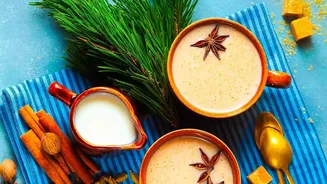
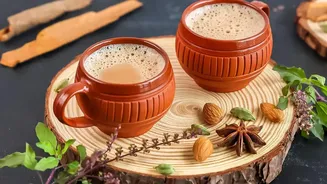
While kashayams are steeped in ancient wisdom, modern science is increasingly validating their therapeutic benefits. Many of the herbs and spices used have been studied for their powerful medicinal properties. For example, gingerol in ginger is a known anti-inflammatory agent, piperine in black pepper enhances the bioavailability of other nutrients, and the eugenol in tulsi has immunomodulatory effects. The global wellness trend has also seen a renewed interest in such traditional remedies, with 'golden milk', a version of haldi doodh, becoming popular worldwide. This convergence of tradition and science underscores that these age-old practices are not based on superstition, but on a profound, empirical understanding of plant-based healing.
Reviving a Timeless Tradition
In today's fast-paced world, the slow, mindful practice of preparing a kashayam offers a welcome antidote to stress. While convenient kashayam powders and tablets are now widely available, the act of making a fresh brew from whole ingredients remains unparalleled. It encourages a connection with the natural world and a deeper appreciation for the knowledge held by our ancestors. Embracing this tradition is not about rejecting modern medicine, but about integrating a holistic approach to wellness. It is about understanding that sometimes, the most powerful solutions are also the simplest, found simmering gently in a pot on the stove.