







The Great Hair-Shift
Think back to your hair routine from five years ago. It likely revolved around managing the strands themselves: fighting frizz, creating volume, or achieving a perfect curl. The goal was aesthetic and immediate. Products were chosen for their styling
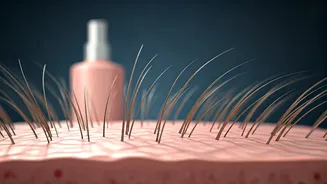
power, often with little thought for what was happening at the root. Today, that philosophy is being turned on its head. The new focus is less on what you do to your hair and more on where it comes from. Consumers, particularly in India, are embracing a root-cause approach, understanding that healthy, beautiful hair begins with a healthy, well-cared-for scalp. This isn't just a niche trend; it's a fundamental shift in perspective, moving hair care from the realm of cosmetics to the domain of wellness.
Why the Sudden Scalp Obsession?
Several factors are driving this scalp-first movement. The primary driver is the “skinification” of hair. We’ve spent the last decade becoming savvy skincare consumers, learning our acids, peptides, and retinols. Now, we’re applying that same knowledge north of the hairline. The realisation that the scalp is just skin—porous, sensitive, and requiring a dedicated routine—is the cornerstone of this trend. Social media has accelerated this education, with dermatologists and “trichologists-in-training” on platforms like Instagram and YouTube demystifying scalp science for millions. Furthermore, the post-pandemic wellness boom has encouraged a more holistic view of health. We are connecting stress, diet, and pollution not just to our skin, but to issues like hair fall, dandruff, and dullness, making us seek solutions that are more than just surface-level.
From Quick Fix to Foundational Health
Traditional styling often involves a trade-off. Heat tools can cause damage, and product buildup from silicones and alcohols in sprays and gels can clog follicles, leading to irritation, oiliness, or even hair thinning. This creates a cycle where we use more products to fix the problems caused by other products. Scalp care breaks this cycle. Instead of masking a problem, it aims to prevent it. A balanced, clean, and stimulated scalp provides the optimal environment for hair follicles to produce strong, resilient, and shiny hair. It’s a move from reactive damage control to proactive health management. Investing in scalp health is investing in the future quality of your hair, a philosophy that resonates deeply with a generation prioritising long-term benefits over instant gratification.
The New Shelf: Serums, Scrubs, and Oils
Walk down a beauty aisle today, and you’ll see the evidence. The hair care section looks increasingly like the skincare section. Scalp scrubs, formulated with physical exfoliants like sugar or chemical exfoliants like salicylic acid, work to remove dead skin cells and product buildup. Pre-shampoo treatments and oils, inspired by traditional Indian practices of oiling, are now formulated with lightweight, nutrient-rich botanicals to nourish the scalp before cleansing. The real game-changers are scalp serums. These are potent, leave-in treatments packed with skincare-grade ingredients like hyaluronic acid for hydration, niacinamide to control oil, and peptides to support hair growth. Brands are launching entire lines dedicated to the scalp, catering to specific concerns like dryness, oiliness, sensitivity, and ageing.
More Than Products, It's a Ritual
Embracing scalp care is about more than just buying new products; it’s about adopting new rituals. The simple act of a scalp massage—using your fingertips or a dedicated tool—can increase blood flow to the follicles, promoting healthier hair growth and providing a moment of mindful relaxation. Double-cleansing, a popular skincare technique, is being adapted for hair, using a pre-shampoo treatment to break down oils and dirt before a thorough wash. There's also a growing awareness of scalp types, just like skin types. Understanding whether your scalp is oily, dry, or sensitive helps in choosing the right products and creating a routine that restores balance rather than disrupts it. This ritualistic, intentional approach elevates hair care from a chore to a cherished act of self-care.