

More Than Just One Dish
When we talk about crispy rice, it’s not just one thing. It’s a whole category of culinary delight. For many, it conjures images of the now-iconic spicy tuna crispy rice, where small, fried rectangles of sushi rice become the perfect vessel for toppings.
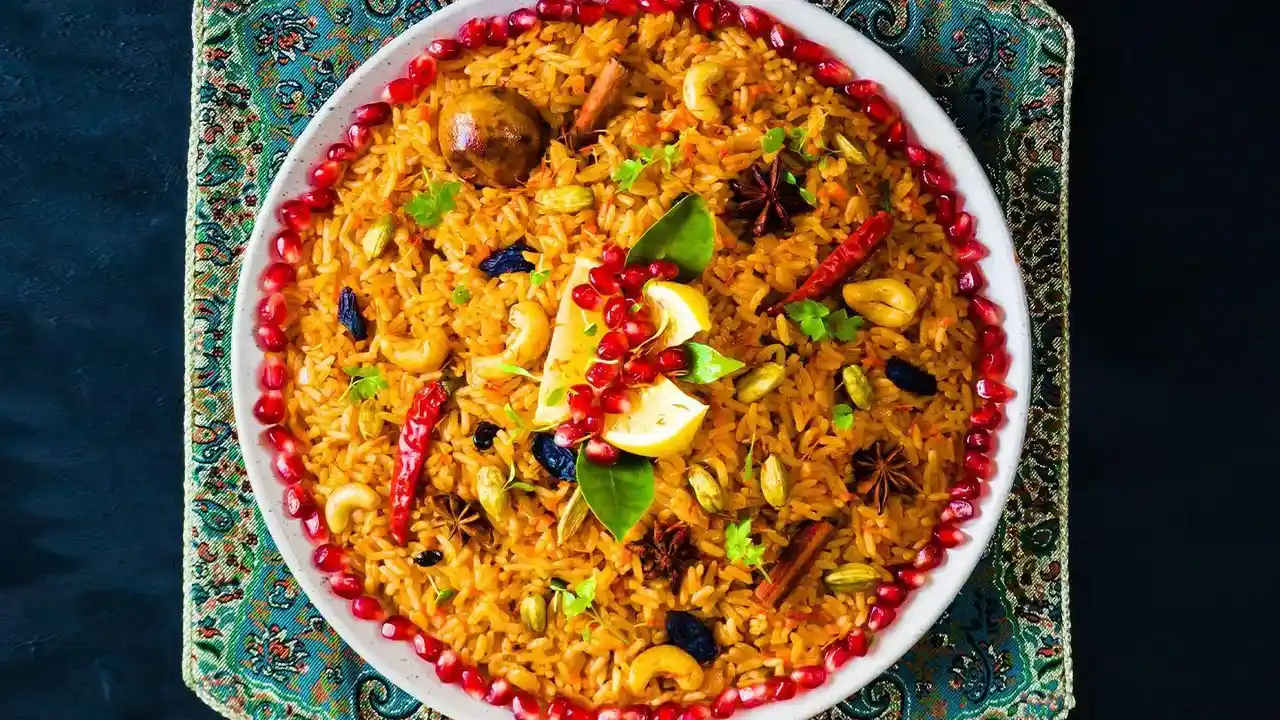
But the love for scorched rice is a global phenomenon with deep cultural roots. In Persian cuisine, it’s the treasured tahdig, a golden, crunchy layer of rice from the bottom of the pot that’s considered a delicacy. In Korea, it’s nurungji, eaten as a crunchy snack or made into a comforting porridge. And in many other cultures, from Latin America's pegao to Spain's socarrat in paella, that crispy bottom layer is the most sought-after part of the meal. Even closer to home, it’s the prized crispy bit at the bottom of a well-made biryani.
The Science of the Crunch
Our obsession with crispy rice is deeply rooted in our sensory wiring. Psychologists and food scientists agree that crunchy and crispy textures do more than just add variety to a meal; they trigger a powerful, positive response in our brains. The sound of a crunch—ideally between 90-100 decibels—is something we are evolutionarily programmed to enjoy. It can signal freshness and quality; think of a crisp apple versus a mushy one. This auditory feedback grabs our attention, making us more mindful of what we’re eating and enhancing our perception of flavour. Biting into something crunchy can even be a form of stress relief, providing a satisfying physical release.
A Social Media Sensation
In the age of visual feasting, crispy rice was destined for stardom. The trend exploded on platforms like TikTok and Instagram, where its transformation from leftover rice to a gourmet-looking treat is both mesmerizing and, crucially, achievable. Viral videos showcase glistening, golden-brown rice being topped with everything from spicy salmon to chili crisp and avocado. The 'crunch' has become its own character in these short videos, amplified for ASMR-like satisfaction. The trend has spawned countless accessible home recipes, from simple baked crispy rice salads to more elaborate fried crispy rice sushi bites, empowering home cooks to recreate the restaurant experience. This has democratized the trend, making it a fun and interactive food moment for millions.
From Tradition to Trendy
While social media gave it a new platform, chefs have been instrumental in elevating crispy rice from a humble, traditional food to a modern menu must-have. They draw inspiration from historic dishes like Persian tahdig and Laotian nam khao, reinterpreting them for a contemporary audience. At Japanese restaurants, appetizers of crispy rice topped with spicy tuna have become a modern classic, balancing the warm crunch of the fried rice with the cool, rich fish. This chef-driven embrace, combined with the power of social media, has created a perfect storm. It feels both innovative and familiar, a comforting staple that has been given a fresh, exciting, and incredibly craveable new identity. Reports from 2026 food industry shows confirm that texture is a major trend, with consumers weighing it as heavily as flavour.