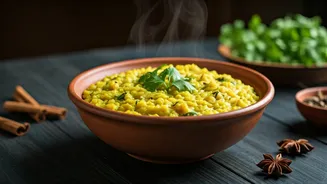









The Psychology of a Rainy Day Craving
There's a reason the pitter-patter of rain sends us scurrying not just for a blanket, but for the kitchen. Rainy days trigger a deep-seated desire for comfort. The slight drop in temperature, the muted light, and the cozy feeling of being sheltered from
the elements create a perfect storm for craving 'comfort food'. These are dishes that are not just nourishing for the body, but also for the soul. They are often warm, rich, and carry a hint of nostalgia. While pakoras and chai have their undeniable place in the monsoon hall of fame, a full-blown rainy weekend demands something more substantial—a dish that is both a project and a reward. This is where the magnificent biryani steps in.
Biryani: More Than a Meal, It's an Event
Biryani is never 'just' food. It's a culinary celebration in a single pot. Unlike a quick stir-fry or a simple dal, biryani commands time and attention. It’s a process, a ritual. The act of making it—chopping the vegetables, blooming the whole spices, frying the onions until they are perfectly crisp and golden (a process known as ‘birista’), and layering it all with fragrant rice—transforms a gloomy afternoon into a productive, aromatic experience. The scent of cardamom, cloves, cinnamon, and saffron slowly filling the home is a potent antidote to the dampness outside. It promises that something wonderful is on its way, turning the entire house into a sanctuary of warmth and delicious anticipation.
The Glory of the Vegetable Medley
Let's be clear: a well-made vegetable biryani is not a compromise; it is a masterpiece in its own right. The key is to treat the vegetables with the same respect as one would meat. A vibrant mix of carrots, peas, potatoes, beans, and cauliflower forms the base. Many seasoned cooks swear by marinating the vegetables for at least an hour in a spiced yoghurt mixture. This step is crucial. It doesn't just tenderise the vegetables; it allows them to absorb the complex flavours of ginger-garlic paste, turmeric, red chilli powder, and garam masala, ensuring every bite is bursting with flavour. Some even add soya chunks or paneer for extra protein and texture, elevating the dish from a simple rice preparation to a truly regal feast.
The Magic of 'Dum Pukht'
The soul of a great biryani lies in its final cooking stage: the 'dum pukht' or slow-steam cooking method. This is where the magic happens. After layering the partially cooked, saffron-infused rice over the spiced vegetable base, the pot (ideally a heavy-bottomed handi) is sealed tight. Traditionally, this is done with a strip of dough around the lid, trapping all the steam and aroma inside. It’s then cooked on a very low flame. This slow-cooking process allows the individual flavours of the spices, vegetables, and rice to meld together into a harmonious whole. When the seal is finally broken at the table, a fragrant cloud of steam is released, signalling the start of the feast. It's a moment of pure culinary drama and delight.
Don't Forget the Supporting Cast
No biryani feast is complete without its trusted accompaniments. The richness of the biryani, with its layers of spice and ghee, is perfectly balanced by a cool, creamy raita. Whether it’s a simple onion-tomato raita or a more elaborate boondi or mint version, its purpose is to refresh the palate between mouthfuls. For those who like an extra kick of flavour, a side of Mirchi ka Salan (a tangy chilli and peanut curry from Hyderabad) or a simple Bagare Baingan (spiced eggplant) can elevate the meal to another level. These sides don't just complement the biryani; they complete the experience, turning a single dish into a full-fledged spread.