




Embrace the Monsoon's Magic
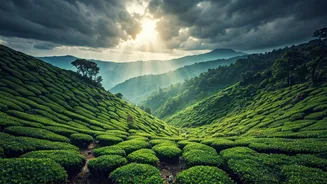
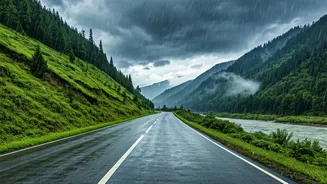
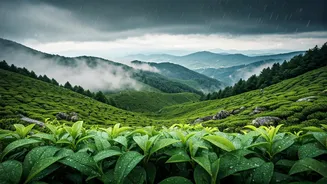
July transforms Northeast India into a spectacle of nature. The monsoon breathes life into the landscape, painting the hills and valleys in a thousand shades of green. While other tourist destinations are crowded, the Northeast offers a more serene experience.
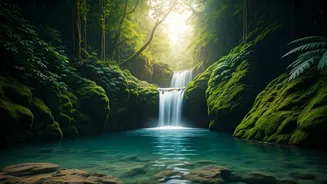
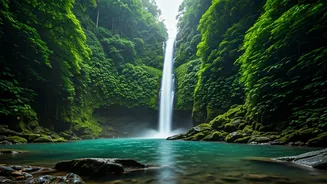
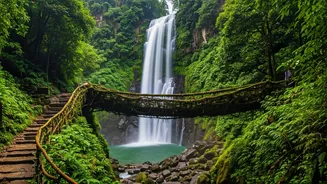
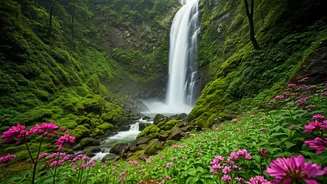
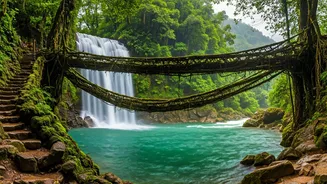
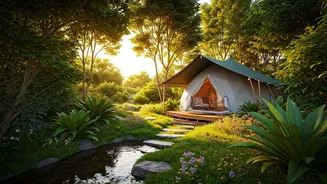
The rain washes the dust away, leaving behind air that feels crisp and new. It’s a time when waterfalls like Nohkalikai and the Seven Sisters in Meghalaya are at their most powerful and majestic. Instead of avoiding the rain, this is an invitation to embrace it. Imagine sipping hot tea in a cozy homestay in Shillong, watching the mist roll over the hills, or walking through landscapes so lush they seem to glow. It's a photographer's and nature lover's dream, offering a different, more intimate perspective than the peak tourist season. The weather remains pleasant, with temperatures often ranging between 15°C and 25°C, providing a cool escape from the heat of the plains.
A Season of Vibrant Festivals
July is not a quiet month culturally. It’s alive with festivals that are deeply connected to the land and the season. In Meghalaya, the Pnar tribe celebrates Behdienkhlam, a vibrant four-day festival to drive away plague and pray for a bountiful harvest. Taking place in Jowai from July 11-14 in 2026, it involves energetic dancing, the immersion of tall decorative towers called 'rots', and a unique football-like game played with a wooden ball. It’s a powerful cultural immersion. Further east in Arunachal Pradesh, the Apatani tribe celebrates the Dree Festival on July 5th in the Ziro Valley. This agricultural festival involves prayers and offerings to four main deities to ensure a good harvest and protect crops from pests. Attending Dree is a chance to witness ancient rituals, traditional dances, and the deep community bonds of the Apatani people.
A Journey for the Senses
Monsoon travel in the Northeast is also a gastronomic adventure. The cool, rainy weather is the perfect excuse to indulge in the region’s comforting and flavourful cuisine. This is the ideal time to enjoy steaming bowls of thukpa, a hearty noodle soup, or try local delicacies that make use of seasonal greens and ingredients. In Assam, the tea gardens are at their most verdant, and a visit to an estate in Dibrugarh or Tezpur offers a chance to see the process and taste some of the world's best tea right at the source. For the more adventurous palate, local markets burst with unique produce that thrives in the monsoon. It's an opportunity to connect with the local culture through its food, whether it’s through a simple meal at a roadside stall or a community feast during a festival.
The Practical Guide to Monsoon Travel
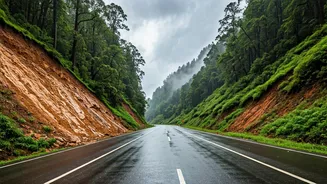
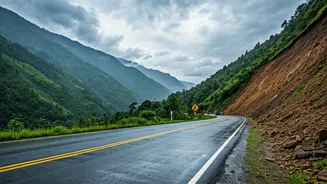
A trip to the Northeast in July requires some planning, but it's entirely manageable and safe with the right preparation. Your packing list is key. A reliable waterproof jacket or poncho is non-negotiable, as are sturdy, waterproof trekking shoes with good grip for slippery paths. Quick-dry clothing is far better than cotton, which can take ages to dry in the humidity. Pack layers: a light fleece will be welcome in the cooler evenings and higher altitudes. Given the possibility of power cuts in rural areas, a power bank is essential. While UPI is common, carrying enough cash is wise for smaller villages and shops where connectivity may be an issue. Finally, build flexibility into your itinerary. Landslides can cause road closures and delays, so having a couple of buffer days will ensure your trip remains enjoyable and stress-free.