




More Than Just a Shelf
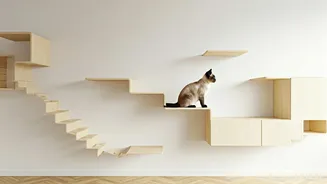
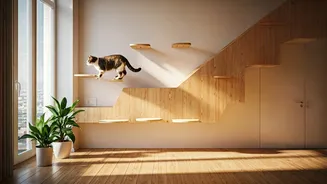
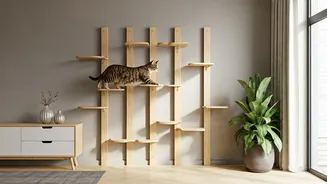
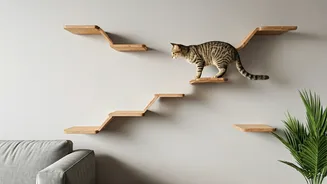
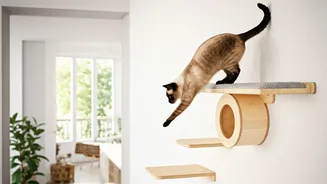
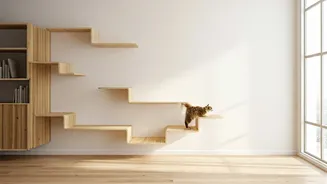
Forget the simple cat tree tucked away in a corner. The latest trend in pet-centric home design involves creating elaborate, wall-mounted structures that serve as playgrounds, highways, and lookout points for our feline friends. These aren't just single
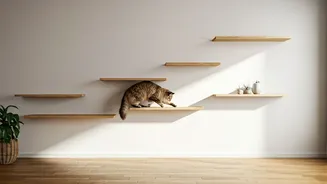
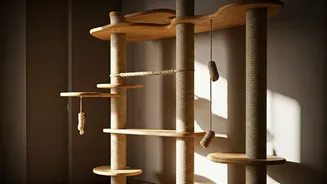
shelves; they are interconnected systems of bridges, perches, ramps, and even cozy hammocks that allow cats to navigate a room without ever touching the floor. Known as 'cat superhighways' or part of a broader design philosophy called 'catification,' these setups turn empty vertical space into a dynamic, three-dimensional environment. The goal is to build a world for your cat that caters to its natural instincts, right within the four walls of your home. These designs range from rustic wooden planks that blend with a farmhouse aesthetic to sleek, minimalist perches that look like modern art installations.
The Psychology of Going Vertical
So, why go to all this trouble? The answer lies in cat psychology. Domestic cats retain many of the instincts of their wild ancestors. In nature, verticality means safety. High perches offer a secure vantage point from which to survey their territory, watch for potential 'threats' (like the vacuum cleaner or an boisterous dog), and feel in control of their environment. Animal behaviourists have long championed the importance of vertical space for indoor cats. It provides a crucial outlet for exercise, encouraging them to climb, leap, and explore, which helps prevent obesity and boredom-related behavioural issues. In multi-cat households, these vertical pathways can be a game-changer, offering separate routes and resting spots to help reduce territorial disputes and social stress. A cat with access to a 'superhighway' is often a happier, healthier, and more confident cat.
An Expression of Personal Style
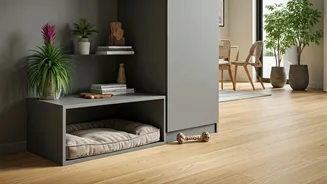
What makes this trend so compelling is that it’s a fusion of pet care and interior design. Cat owners are no longer willing to sacrifice their home’s aesthetic for clunky, carpet-covered towers. Instead, they are finding creative ways to integrate these feline-friendly features seamlessly into their decor. Some use floating shelves painted the same colour as the wall for a subtle, unobtrusive look. Others make a bold statement with custom-built bridges made from reclaimed wood, rope, and industrial pipes. Platforms are often adorned with removable, washable pads in fabrics that match the room's colour scheme. The result is a space that is deeply personal and tells a story: this is a home where every member of the family, including the four-legged ones, is considered in the design.
DIY Spirit vs. Modular Kits
The beauty of the catification trend is its accessibility. For the handy and creative, the DIY route offers limitless possibilities. A trip to the hardware store for some brackets, wood, and non-slip carpet squares is all it takes to get started. Online communities and platforms like Pinterest are filled with tutorials and inspiration for building everything from simple steps to complex, room-spanning structures. For those who are less confident with a power drill, a growing market of companies offers modular, ready-to-install systems. These kits often feature beautifully designed components that can be configured in various ways, allowing homeowners to create a custom layout without needing advanced carpentry skills. These products prioritize safety, using high-quality materials and secure mounting hardware to give pet owners peace of mind.
A Few Things to Consider
Before you start planning your cat’s elevated kingdom, there are a few practicalities to keep in mind. First, consider your cat's age and agility. A young, spry cat might love challenging leaps, while a senior cat will appreciate wider platforms and gentler ramps. Placement is also key. Ensure the shelves are installed securely into wall studs to support your cat's weight, especially during energetic jumps. Plan the route logically, with reachable distances between perches. It's also wise to avoid placing them directly above delicate furniture or expensive electronics. Finally, think about texture. Adding a non-slip surface, like a small piece of carpet or a cork pad, can make the platforms safer and more inviting for your cat.