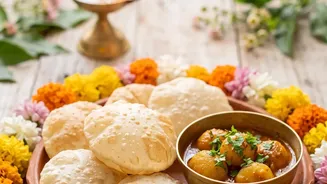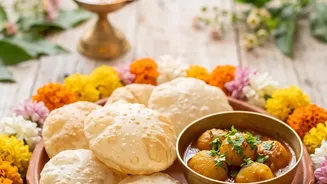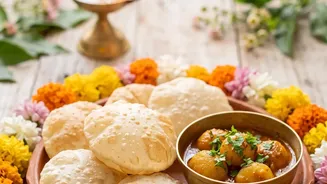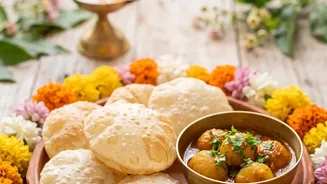







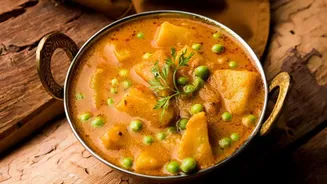
There are few pleasures as simple and profound as tearing into a hot, puffy puri and dipping it into a flavourful aloo sabzi. But too often, the sabzi can be dry. The solution lies in building a luscious, tangy, tomato-based gravy.
An Iconic Comfort Food Duo
The combination of aloo
sabzi and puri is a cornerstone of North Indian cuisine, beloved for breakfast, lunch, or festive meals. It’s a pairing that evokes comfort and celebration in equal measure. While there are countless variations, from dry and spicy preparations to thin, soupy versions, the goal is always a flavourful potato dish that complements the fried bread perfectly. The frustration for many home cooks is achieving a gravy that has body and flavour without becoming watery or, conversely, drying out too quickly, leaving the potatoes sadly separate from their sauce. A well-made sabzi should cling lovingly to the puri, delivering a perfect bite every time.
The Scientific Magic of Tomatoes
The secret to a consistently moist and scoopable aloo sabzi is the humble tomato. Unlike gravies based on yoghurt or just spices and water, a tomato base provides structure. Tomatoes are naturally high in water but also contain pectin, the cellular 'cement' that holds them together. When cooked down, this structure breaks, releasing moisture while the natural glutamates concentrate, deepening the savoury 'umami' flavour. As the water evaporates, the sauce naturally thickens, creating a rich, smooth consistency that coats the potatoes beautifully. This process ensures the gravy remains stable and won’t separate or become thin upon standing.
Building the Perfect Gravy Base
The foundation of this sabzi is a well-cooked masala. Start by heating oil or ghee and blooming your whole spices, like cumin seeds, bay leaves, and cardamom, to release their aromatic oils. Next, sauté onions until they turn golden brown, which builds a sweet, deep flavour base. Then, add ginger and garlic paste and cook for another minute until fragrant. The crucial step is adding pureed or finely chopped tomatoes and cooking them down until they turn soft, mushy, and the oil begins to separate from the masala. This indicates that the water has evaporated and the flavours have concentrated. Rushing this step will result in a raw, acidic taste.
Choosing and Prepping Your Potatoes
Not all potatoes are created equal when it comes to curry. For a gravy-based dish like this, you want a potato that holds its shape but is also starchy enough to absorb flavour and slightly thicken the gravy. Waxy potatoes like Yukon Gold are excellent because they remain firm, while starchier varieties like Russet potatoes can also work but may break down more, which can be desirable if you like a thicker gravy. It is best to use boiled potatoes. Pressure cook them until just tender, then peel and lightly crumble or mash them into a mix of small and large pieces. This textural variation is key; the smaller bits meld into the gravy, while the larger chunks provide a satisfying bite.
The Final Flourishes of Flavour
Once your tomato base is rich and fragrant, it's time to add the powdered spices—turmeric, red chilli powder, and coriander powder—and sauté them for a moment to cook out their rawness. Then, add the prepared potatoes, stirring to coat them in the masala. Add hot water to achieve your desired consistency, season with salt, and let the sabzi simmer for at least 10-15 minutes. This simmering period is essential for the potatoes to absorb all the wonderful flavours of the gravy. Just before serving, finish the dish with a sprinkle of garam masala for aroma, a touch of kasuri methi (dried fenugreek leaves) for a distinct fragrance, and a generous amount of fresh coriander for a bright, clean finish.