


Understanding the Post-Monsoon Threat
The period following the monsoon is often marked by high humidity, which means even after the rain stops, moisture lingers in the air and on surfaces. For dogs, this translates to coats that remain damp long after a walk. This warm, moist environment
is an ideal breeding ground for bacteria and fungi, leading to a spike in skin problems. Common issues include acute moist dermatitis, also known as 'hot spots', which are red, painful, and irritated patches of skin, as well as fungal infections like yeast and ringworm that thrive in damp fur. These conditions often appear in areas with less air circulation, such as in skin folds, between the paw pads, and under the belly.
The Drying Imperative: Your First Line of Defence
The single most effective preventative measure is to ensure your dog is completely dry after any exposure to moisture. A simple towel rub-down often isn't enough, especially for dogs with thick or double coats. After every walk, use an absorbent microfibre towel to dry your dog thoroughly, paying special attention to their armpits, groin, and ears. For long-haired breeds, using a blow dryer on a low-heat, low-power setting is highly recommended to ensure the undercoat is fully dry. Leaving the coat even slightly damp creates the exact conditions needed for infections to take hold.
Paw Patrol: Don't Neglect the Feet
A dog's paws are in constant contact with wet and muddy surfaces, making them highly susceptible to infection. After every walk, wash your dog’s paws with lukewarm water and a gentle cleanser, then dry them meticulously. The area between the paw pads is a notorious spot for moisture to get trapped, so be sure to dry it well. Trimming the excess fur between the pads can improve air circulation and reduce the chances of debris and moisture getting stuck. If you notice any redness, swelling, or if your dog is excessively licking their paws, it could be a sign of an infection that needs attention.
Proactive Grooming for a Healthy Coat
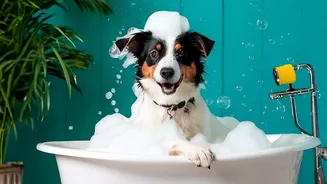
Regular grooming is crucial during the humid months. Daily brushing helps to remove loose fur, detangle knots, and prevent matting, which can trap moisture against the skin. For breeds with longer coats, keeping their fur trimmed shorter during this season can make drying easier and improve air circulation. While it may seem counterintuitive, avoid over-bathing your dog, as this can strip the skin of its natural oils, compromising its protective barrier. When you do bathe them, consider using a vet-approved anti-fungal shampoo as a preventative measure, but always consult your veterinarian first.
Boosting Immunity from Within
A strong immune system is better equipped to fight off potential infections. A balanced, high-quality diet plays a significant role in your dog’s overall skin health. Foods rich in Omega-3 and Omega-6 fatty acids can help strengthen the skin barrier from the inside out, making it more resilient to environmental irritants. Also, ensure your dog has constant access to fresh, clean drinking water and prevent them from drinking out of puddles or stagnant water, which can harbour harmful bacteria and lead to gastrointestinal issues.
How to Spot the Early Warning Signs
Catching a skin infection early is key to a swift recovery. Be vigilant and check your dog's skin regularly for any changes. Common signs of a developing skin issue include excessive scratching, licking, or chewing at a specific area. Also, look out for redness, rashes, bald patches, scabs, or any unusual odour from the skin or ears. If you notice any of these symptoms, it is crucial to consult your veterinarian for an accurate diagnosis and treatment plan before the condition worsens.