


The Soulful Shift Away From Perfection
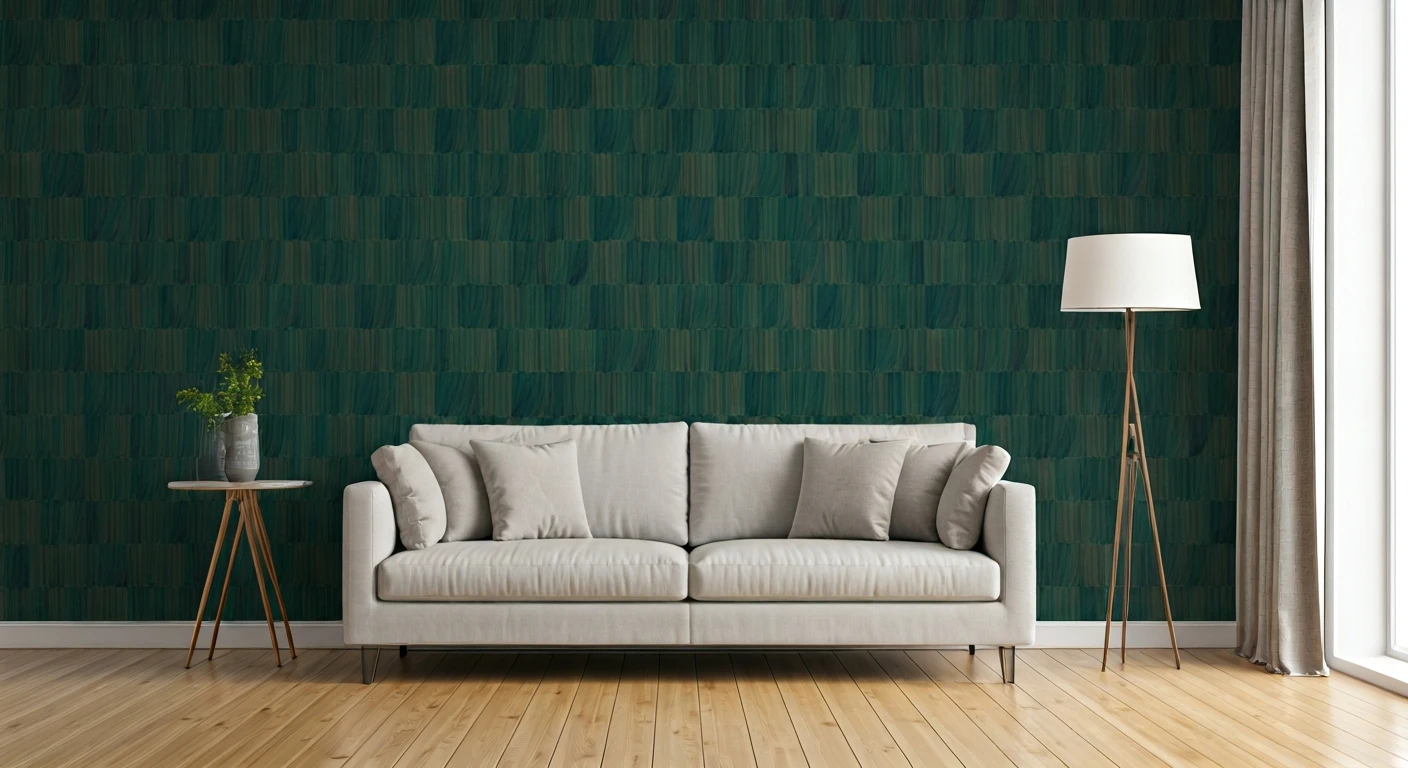
There's a quiet rebellion brewing in our living rooms. For decades, interior design was dominated by the 'showroom' aesthetic: minimalist, neutral, and so pristine it felt almost untouchable. Inspired by magazines and staged photos, the goal was a kind
of impersonal perfection. But a significant shift is underway. Homeowners and designers are now championing a 'lived-in' look, moving away from cold, sterile environments toward spaces that feel warm, inviting, and, most importantly, human. This isn't just a fleeting trend but a deeper cultural pivot towards authenticity and personal expression. After years of chasing an impossible standard of flawlessness, many are realizing that a home should reflect a life, not just an aesthetic.
What Defines a Lived-In Home?
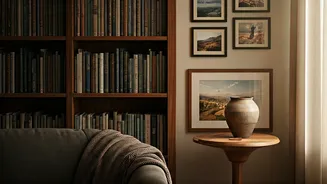
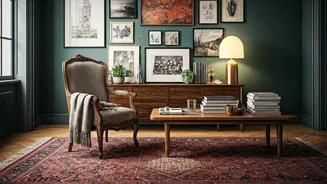
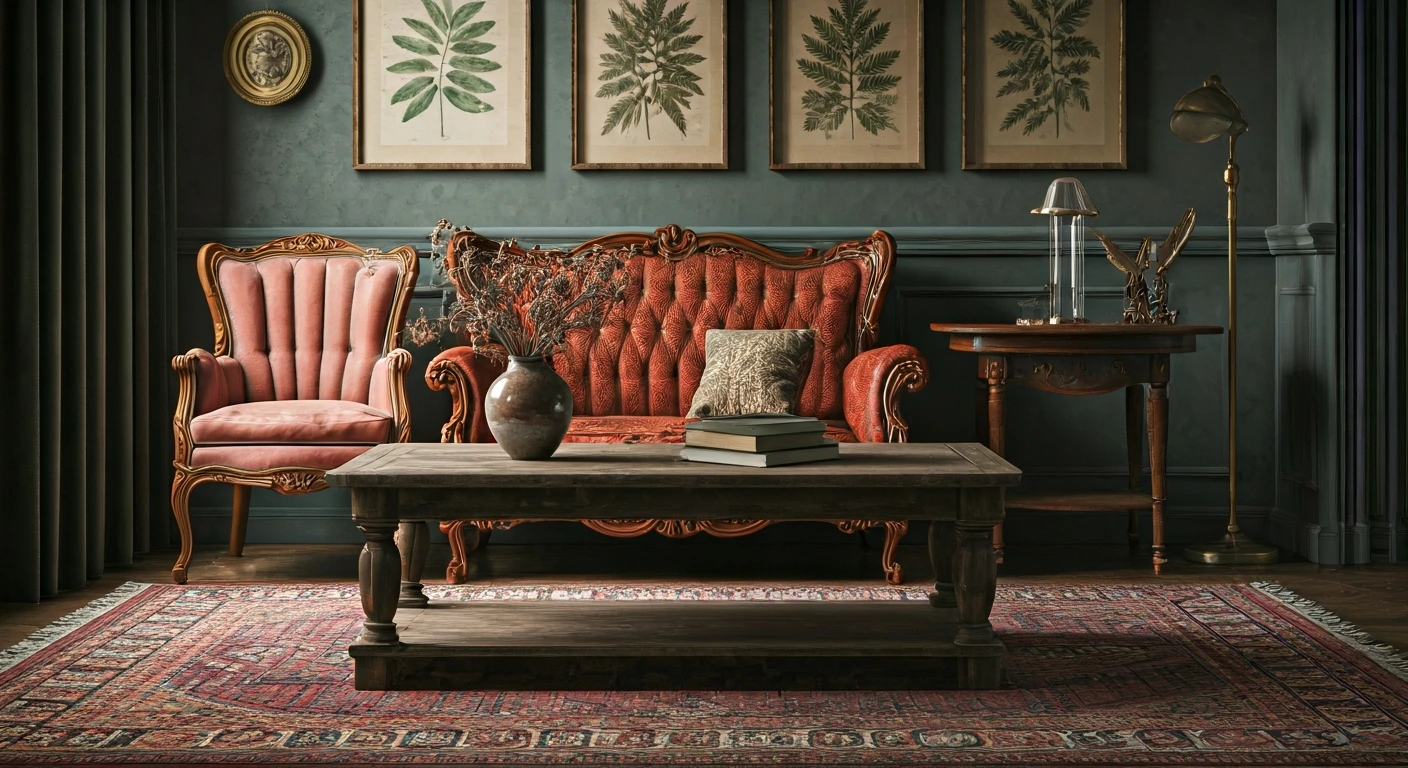
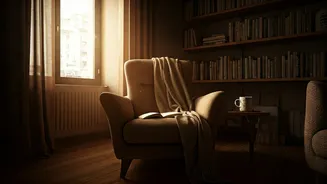
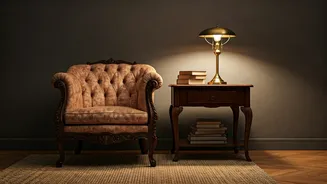
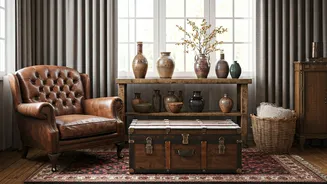
A lived-in interior tells a story. It’s characterized by layers of personal history—collections of books, treasured objects from travels, and art that holds genuine meaning. Unlike the showroom’s coordinated perfection, this style embraces a mix of old and new, pairing a vintage armchair with a modern sofa or a hand-me-down quilt with contemporary lighting. Textures are layered to add depth and warmth, such as wool, linen, and aged wood. Imperfections are not just tolerated but celebrated; a scratch on a wooden table or a slightly askew rug is seen as a sign of life, a memory embedded in the home itself. It is a curated, thoughtful approach that prioritizes comfort and personality over rigid design rules.
The Psychology of Comfort and 'Cluttercore'
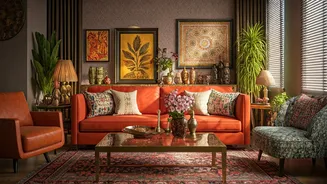
So, why the change? Much of this shift is a psychological response to an increasingly digital and impersonal world. The sterile perfection of minimalism can feel emotionally flat or empty, lacking the visual and emotional anchors that make us feel grounded. In contrast, a lived-in space, sometimes dubbed 'cluttercore' or 'maximalism', is filled with items that evoke positive memories and a sense of belonging. This approach is not about messiness but about intentional curation, where every object contributes to the room's overall story. Psychologically, being surrounded by familiar, meaningful items can reduce anxiety and foster a sense of safety and continuity. After a period where many spent more time at home than ever, the desire for a sanctuary that provides genuine comfort has become paramount.
It’s Curated, Not Chaotic
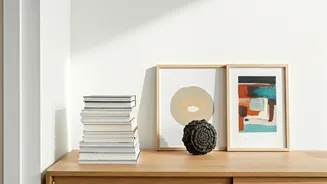
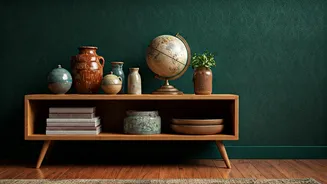
A common misconception is that a 'lived-in' home is simply a messy one. In reality, the style requires a thoughtful eye. The key is curation, not chaos. It involves displaying collections in a considered way, grouping similar items, and playing with height and scale to create visual interest without feeling overwhelmed. Designers advise starting with a clear canvas by decluttering, then slowly building up layers of cherished possessions and artwork. The goal is to create an effortless, elevated look that still feels approachable. This intentional approach ensures the space remains functional and calming, even while being rich with personality. It's the difference between a random pile of stuff and a carefully composed narrative of one's life.
How to Embrace the Lived-In Look
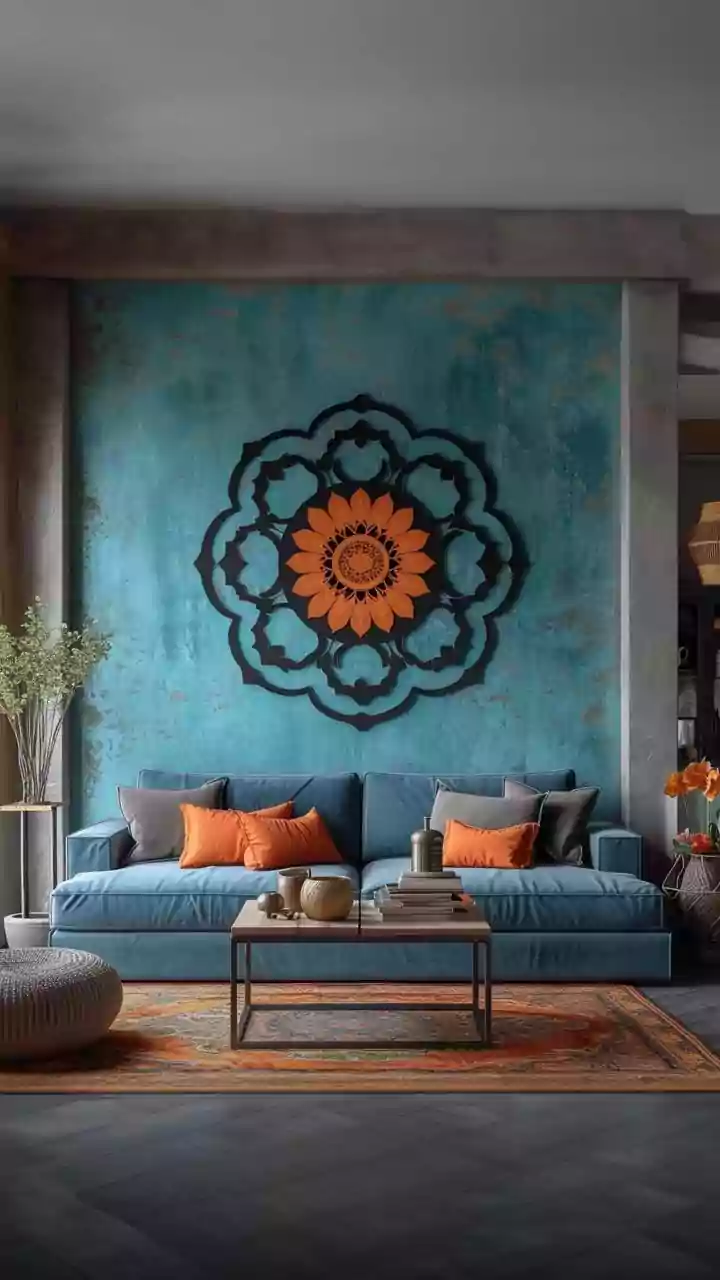
Adopting this style is less about buying new things and more about showcasing what you already love. Start by identifying items that have personal significance—whether it's a stack of favorite novels, inherited ceramics, or photos that make you smile—and give them a place of honor. Mix textures and materials freely; combine soft fabrics like velvet with natural materials like rattan or wood. Don't be afraid to blend different styles and eras. A vintage piece can add immense character and history to an otherwise modern room. Layer your lighting with lamps at different heights to create a warm, inviting atmosphere instead of relying solely on harsh overhead lights. The most important rule is to let go of the idea of perfection and allow your home to evolve with you.