






Why Light Overwhelms Decor
Think of your home on a perpetually cloudy day. The vibrant colours of your cushions seem muted, the intricate patterns on your rug look flat, and the entire space can feel less inviting. This is because light doesn't just illuminate; it defines. It creates
mood, highlights texture, and gives shape to a room. Without good lighting, the best decor in the world falls short. Poorly lit spaces can even make us feel drowsy or down. During periods of extended cloud cover, like India's monsoon season, relying on a single, harsh overhead light is a common mistake that can make interiors feel even duller. The solution isn't to change your decor, but to change how you light it.
Embrace a Layered Lighting Plan
Professional designers know that one light source is never enough. The secret to a well-lit, atmospheric room is layering light. This approach combines three distinct types of lighting to create a space that is both functional and beautiful, adapting to your needs throughout the day. It prevents the flat, harsh look of a single, central fixture and introduces depth and warmth. By using multiple sources, you can transform a room from a bright workspace to a cosy den with the flick of a few switches.
The Three Essential Layers
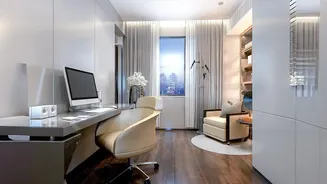
To build your layered plan, you need to understand the role of each layer. First is Ambient Light, the general, overall illumination of a room. This is your foundation, often provided by ceiling fixtures, recessed lights, or chandeliers. It allows you to navigate the space safely. Next is Task Lighting, which is focused light for specific activities like reading, cooking, or working. Think of a desk lamp, a light over your kitchen counter, or a floor lamp beside your favourite armchair. Finally, there's Accent Lighting. This is the fun part. It’s used to highlight architectural features, artwork, or plants, adding drama and personality to your space. A good rule of thumb is that accent light should be about three times brighter than the ambient light to create noticeable contrast and depth.
Choosing Your Tools: Bulbs and Fixtures
The type of bulb you choose is just as important as the fixture itself. Pay attention to two key metrics: lumens and Kelvin (K). Lumens measure brightness—more lumens mean more light. Use higher lumens for task areas and lower lumens for mood lighting. Kelvin measures colour temperature. A lower Kelvin number (2700K–3000K) produces a warm, yellowish, cosy glow, perfect for living rooms and bedrooms to help you relax. A higher Kelvin number (4000K–5000K) emits a cooler, whiter light that mimics daylight, which is great for kitchens, studies, and workspaces where you need to feel alert and focused. Using a mix of warm and cool light strategically can profoundly impact the mood and functionality of each room.
Strategic Placement for Maximum Impact
Where you place your lights matters immensely. Don't be afraid to use multiple, smaller light sources instead of one large one. A floor lamp can warm up a dark corner, a small table lamp can add a welcoming glow to an entryway, and discreet LED strips can highlight shelving. The goal is to create pools of light throughout the room, which draws the eye and makes the space feel more interesting and dynamic. During the monsoon, when natural light is at a premium, these artificial sources become the primary way to inject life and cheer into your home. Using dimmers is also a game-changer, allowing you to adjust the intensity of each layer for the perfect atmosphere at any time of day.