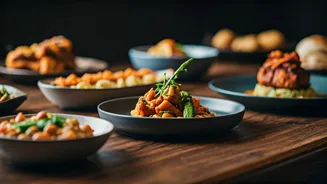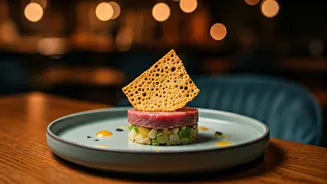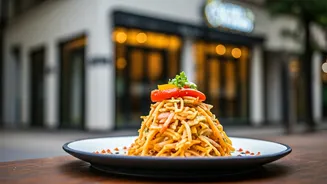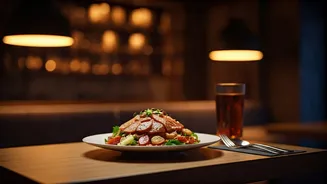






A Shift in the Culinary Landscape
A quiet but delicious revolution is reshaping India's gastronomic map. While the metros have long been the epicentres of dining trends, a surge of culinary creativity is now bubbling up in cities like Indore, Lucknow, Jaipur, and Coimbatore. [5] This
shift is driven by a potent mix of economic and cultural factors. Rising disposable incomes, improved infrastructure, and the growing influence of social media have cultivated a new generation of discerning diners in these cities. [23, 27] Once considered occasional indulgences, dining out and ordering in have become integral parts of the lifestyle for millennials and Gen Z, who are eager to experiment with new cuisines and branded food experiences. [6, 28] This has created fertile ground for restaurant operators and food entrepreneurs looking for growth beyond the saturated, high-cost metro markets. [24, 27]
Indore: The Unquestioned Street Food Champion
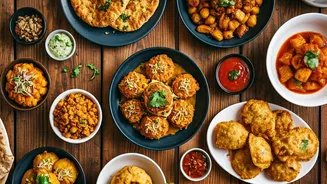
When it comes to street food, few cities can rival the passion and variety of Indore. Long celebrated as a paradise for food lovers, its culinary scene is a masterclass in flavour. [14] Mornings here famously begin with the delightful odd-couple pairing of savoury Poha and sweet, crispy Jalebi. [12, 20] As night falls, the city's jewellery market, Sarafa Bazaar, transforms into a legendary open-air food court, buzzing until the early hours. [8, 20] Stalls serve up signature dishes like Bhutte ka Kees (grated corn cooked in milk and spices), Garadu (deep-fried yam), and Khopra Patties (potato patties with a coconut filling). [8, 14] But it’s not just about tradition; a thriving cafe culture and a constant drive for innovation ensure Indore's food scene remains as dynamic as it is delicious. [5]
Lucknow: Where Royal Heritage Meets Modern Palates
In Lucknow, every dish tells a story. The city's culinary identity is deeply rooted in its regal Awadhi heritage, known for complex spice blends and sophisticated slow-cooking techniques like 'dum pukht'. [7, 13] Lucknow is the undisputed home of melt-in-the-mouth kebabs, from the legendary Galouti kebab, reportedly created for a toothless Nawab, to the succulent Kakori and Boti kebabs. [9, 15] Its fragrant biryani, with delicately spiced meat and long-grain rice, is a benchmark for the dish. [7, 15] While historic establishments continue to serve recipes passed down through generations, a new wave of chefs and restaurants are re-imagining these classics, ensuring the City of Nawabs remains a top culinary destination. [9, 17]
Jaipur: A Feast of Colour and Flavour
The Pink City's food scene is as vibrant and captivating as its architecture. While traditional Rajasthani fare like Dal Baati Churma and the fiery Laal Maas remain iconic, Jaipur has wholeheartedly embraced a modern cafe and restaurant culture. [10, 16] Its streets are a treasure trove of culinary delights, from the famous Pyaaz Kachori at Rawat Mishtan Bhandar to the refreshing lassi on MI Road. [10, 16] In recent years, a host of avant-garde eateries and stylish cafes have emerged, blending local, organic produce with global concepts. [10] This fusion of old and new, where a traditional thali is as celebrated as an artisanal coffee, makes Jaipur a fascinating and evolving food hub. [5, 10]
The Economics of a New Era
The rise of these cities is not just a cultural phenomenon but an economic one. For restaurant brands and chefs, Tier-2 cities offer a compelling business case. Lower real estate and operational costs—rentals can be a fraction of those in Mumbai or Delhi—allow for greater experimentation and healthier profit margins. [5, 26] This has encouraged chefs who once honed their skills in metro kitchens to return to their hometowns, launching innovative, often chef-led, fine-dining concepts. [21] Furthermore, the rise of food delivery apps and the power of social media have levelled the playing field, allowing local gems to gain national recognition. [5] This decentralisation is not just creating new food capitals; it's making India's culinary landscape richer and more diverse than ever before.