


Why Monsoon is a Great Time to Start
Many people assume the lack of consistent sunlight during the monsoon is bad for plants. However, the season’s high humidity is a blessing for many popular tropical houseplants, helping them thrive. The key is to manage the two biggest challenges: overwatering
and low light. The trick is to choose plants that are naturally adapted to these conditions. Instead of a fixed watering schedule, check the soil by inserting a finger about an inch deep. If it feels dry, it's time to water; if it’s damp, wait a few more days. Using pots with good drainage is non-negotiable to prevent root rot, the most common killer of indoor plants during this season.
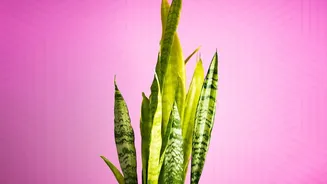
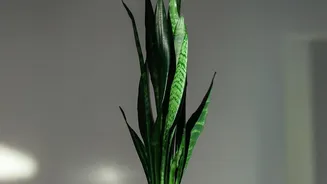
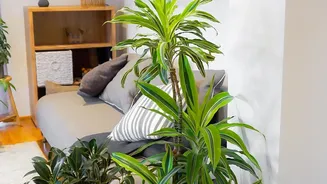
Snake Plant (Dracaena trifasciata)
Often called the most indestructible houseplant, the Snake Plant is perfect for beginners. Its tough, architectural leaves tolerate low light extremely well, making it ideal for apartment corners that don’t get much sun during overcast monsoon days. The biggest mistake you can make is overwatering it. During the monsoon, with high ambient humidity, you might only need to water it once every three to four weeks. It's also a fantastic air purifier that uniquely releases oxygen at night, making it a great addition to bedrooms.
ZZ Plant (Zamioculcas zamiifolia)
If you are a forgetful plant parent, the ZZ Plant is your new best friend. Much like the snake plant, it is extremely drought-tolerant and thrives on neglect. Its glossy, dark green leaves look healthy and vibrant even in low-light conditions often found in apartments during the rainy season. The ZZ plant stores water in its underground rhizomes, so it's highly susceptible to root rot if overwatered. Let the soil dry out completely between waterings. Its ability to look good with minimal effort makes it a stylish and stress-free choice for any home.
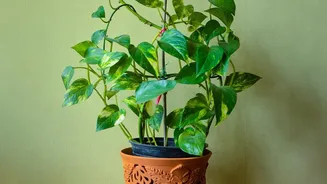
Pothos or Money Plant (Epipremnum aureum)
The ubiquitous Money Plant is popular for a reason: it's incredibly resilient and versatile. This trailing vine grows well in the lower light and high humidity of the monsoon. You can let it cascade from a shelf or train it to climb. It’s also very communicative; if you’ve overwatered it, the leaves will start to turn yellow, and if it's thirsty, the leaves will begin to droop slightly. During the monsoon, ensure the top inch or two of soil is dry before watering again. Its fast-growing nature provides a rewarding experience for new plant owners.
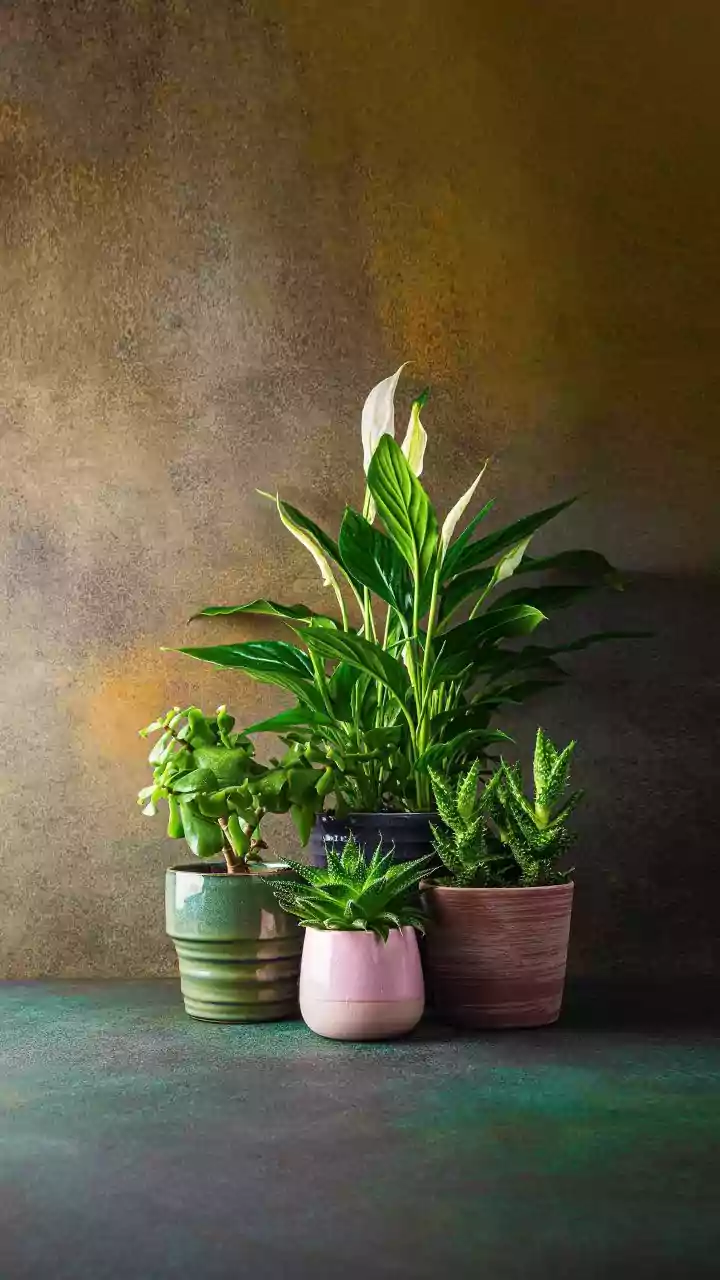
Peace Lily (Spathiphyllum)
For those who want a flowering indoor plant, the Peace Lily is an excellent choice. It’s known for its elegant white blooms and its ability to thrive in medium to low indirect light. Peace Lilies love the high humidity that the monsoon provides, which encourages healthy, glossy foliage. They are also great communicators, drooping dramatically when they need water and perking right back up after a drink. This feature helps prevent overwatering, as you'll know exactly when it's thirsty. They are also known for being excellent air purifiers.
Chinese Evergreen (Aglaonema)
Aglaonemas are prized for their stunning, patterned leaves that come in shades of green, pink, red, and silver. They are remarkably tolerant of low-light conditions, making them perfect for brightening up a dim corner on a rainy day. While they appreciate the high humidity of the monsoon, they are prone to root rot if their soil stays waterlogged. Always use a well-draining potting mix and allow the soil to dry out partially between waterings. Wiping the leaves with a damp cloth can keep them clean and help the plant breathe, especially in a dusty environment.