


India's Sky-High Ambitions
India is currently one of the fastest-growing civil aviation markets in the world. A burgeoning middle class, rising disposable incomes, and a government push for enhanced regional connectivity have created a surge in demand for air travel. According
to a 2026 forecast from consultancy Oliver Wyman, the country's commercial aircraft fleet is projected to expand at an annual rate of 7.1 percent over the next decade. This explosive growth underpins the government's sense of urgency. The core issue is no longer just stimulating demand, but ensuring there is enough capacity to meet it. This has shifted the primary constraint on India's aviation growth from passenger numbers to the physical availability of aircraft.
A Billion-Dollar Shopping Spree
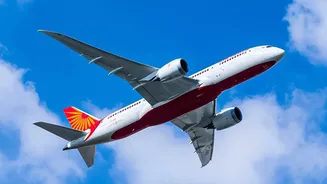
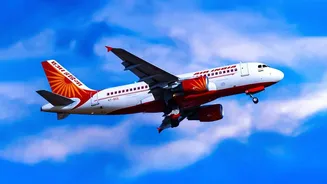
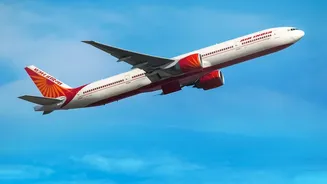
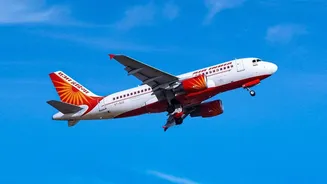
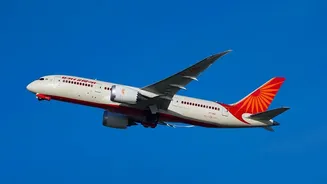
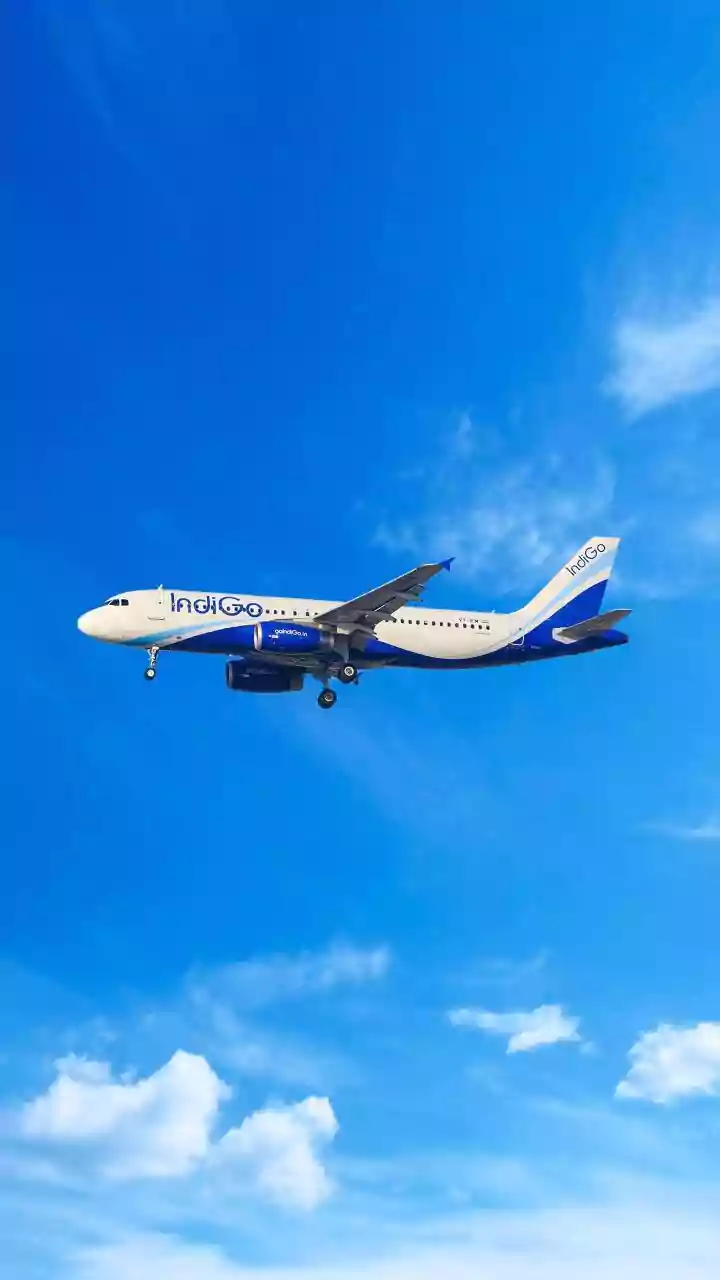
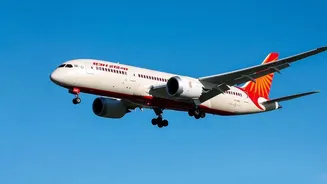
To cater to this demand, Indian carriers have gone on a historic ordering spree. Airlines including IndiGo, Air India, and Akasa Air have placed massive orders with global manufacturing giants Airbus and Boeing. In 2023 alone, Air India finalized a blockbuster deal for 470 aircraft, while IndiGo placed a record-breaking order for 500 A320-family jets. In total, Indian airlines currently have more than 1,200 aircraft on order. However, even this staggering number is not enough. Minister Goyal recently stated that India's total requirement is over 2,000 planes and that the country is ready to order another 1,000 jets to fill the gap.
The Global Production Squeeze
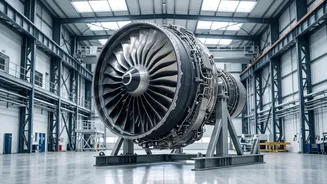
The problem is that these orders are hitting a global manufacturing system already under immense strain. Both Airbus and Boeing are contending with huge order backlogs from airlines across the world. The post-pandemic recovery, combined with persistent supply chain disruptions, shortages of key components like engines, and labour constraints, has slowed down production lines. This means that even with firm orders in place, delivery timelines are painfully long. Some aircraft ordered by Indian carriers are not scheduled for induction until as late as 2034, creating a significant delay between placing an order and seeing the plane enter service. This global bottleneck is not unique to India, but its impact is felt more acutely due to the sheer pace of the country's market growth.
The Government Steps In
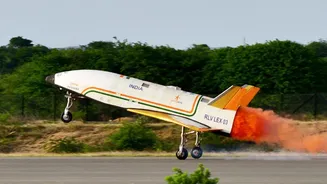
This is the context for Piyush Goyal's public intervention. By describing the situation as an 'acute shortage', the government is signalling its concern that delivery delays could stall economic momentum. The minister's push for 'faster supplies' from established manufacturers is a direct appeal to Airbus and Boeing to prioritize India's needs. This isn't just about diplomacy; it's about infrastructure. Without enough planes, new routes cannot be opened, connectivity to smaller cities lags, and the full economic benefit of the aviation boom cannot be realized. The government is also exploring other avenues, including encouraging domestic aircraft manufacturing through partnerships and easing financing and leasing regulations to help airlines manage their fleets.
What This Means for Airlines and Fliers
For Indian airlines, the aircraft shortage is a direct hit to their bottom line. They are unable to fully capitalize on the high passenger demand. The delays force them to operate older, less fuel-efficient aircraft with higher maintenance costs. In some cases, carriers must turn to the expensive aircraft leasing market to plug capacity gaps, which further erodes profitability. For passengers, the constraints can translate into fewer flight options, especially on new and regional routes, and potentially higher fares as demand outstrips supply. While the massive orders promise a future of expanded networks and more choices, Goyal's plea underscores the challenge of bridging the gap between today's demand and tomorrow's capacity.