







The Resume Is Not Dead, But It’s No Longer Enough
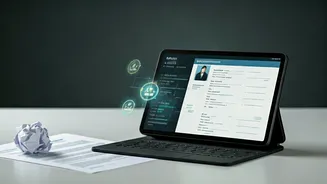
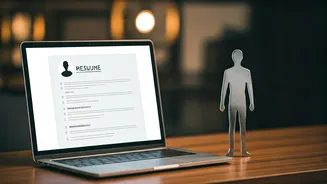
Let’s be clear: you still need a resume. It’s a necessary document for passing through initial screenings, especially with automated Applicant Tracking Systems (ATS). However, the headline's claim, while strong, points to a significant shift. Hiring is
no longer a simple paper-matching game. [19] Employers and recruiters have evolved, now looking beyond a list of qualifications to see the person behind the paper. [4] A resume summarises your past, but a personal brand communicates your ongoing value and potential. [16] In a competitive market where many candidates have similar qualifications, your personal brand is what helps you stand out. [5, 15] In fact, some surveys suggest a significant number of professionals believe a strong personal brand will soon matter more than a resume. [14]
What 'Personal Brand' Actually Means
Personal branding isn't about being an influencer or creating a fake persona. [13] At its core, it's your professional reputation made visible. [6, 12] It is the consistent story you tell across all professional touchpoints—from your LinkedIn profile and portfolio to how you communicate in interviews. [12, 13] It answers the crucial question recruiters have: when they search for your name online, what will they find? [3] A strong brand showcases your skills, values, and personality, giving employers a sense of your cultural fit and passion for your industry. [5] Research shows that a vast majority of hiring managers believe a strong personal brand influences their decisions. [13]
Why Recruiters Look Beyond the CV
Recruiters are increasingly playing detective. A large majority—around 70%—use social networking sites to research candidates during the hiring process. [2, 6, 7] They are looking for proof of expertise, credibility, and alignment with the company's culture. [4, 5] A resume might list 'communication skills', but a thoughtful article you shared on LinkedIn *demonstrates* it. More than half of employers have rejected a candidate based on what they found (or didn't find) online. [3, 8] Having no digital footprint can be a red flag, with nearly half of employers saying they're less likely to interview a candidate they can't find online. [7, 9, 10] Conversely, a strong online presence can directly lead to opportunities, with many recruiters sourcing candidates directly from platforms like LinkedIn rather than waiting for applications. [12, 13]
How to Build Your Professional Brand
Building a brand is an intentional process. Start by defining your core strengths and what makes you unique. [5] Then, ensure your online presence is consistent. Your LinkedIn profile is the foundation; a complete profile receives significantly more views and messages. [3] Use a professional photo and a headline that clearly states what you do. Share content that aligns with your expertise—comment on industry news, write short posts about what you're learning, or share projects you're proud of. [4, 5] This doesn't mean you need to post daily, but consistent, thoughtful engagement signals that you are passionate and knowledgeable. [13] Creating a portfolio or personal website can also be a powerful differentiator, with a high percentage of hiring managers preferring candidates who provide one. [3]
The Authenticity Advantage
The goal of a personal brand is not to manufacture an ideal candidate but to authentically present the best version of yourself. [4, 6] Authenticity builds trust, which is a key currency in the professional world. [20] Recruiters can spot a persona that doesn't align with a candidate's actual experience or interview performance. Your brand should be a genuine reflection of your values, communication style, and unique approach to your work. [4] This helps employers determine if you'll mesh well with their team long before an offer is made. [4, 5] Ultimately, while two candidates may have the same skills on paper, the one who has built a brand based on trust and authenticity often has the winning edge. [15]