




The Foundation: A Double-Mat System
Your first line of defence is the doormat, and during the rains, one is simply not enough. Implement a two-mat strategy for maximum effectiveness. Place a coarse, heavy-duty mat outside the door. Materials like rubber and coir are excellent for scraping
off the initial layer of mud and water from footwear. These materials are durable and designed to handle heavy foot traffic and moisture. Inside the door, place a highly absorbent mat made from materials like microfiber or specialized synthetic polymers. These are designed to trap any remaining water, keeping your floors dry and slip-free. Mats with raised edges are particularly effective as they contain water and prevent it from spilling onto your floors.
A Designated Zone for Drips
The biggest culprits for puddles in the entryway are dripping raincoats and umbrellas. Instead of letting them leave trails of water through your home, create a dedicated wet zone. A simple boot tray or a large, shallow plastic container placed near the door works perfectly. Train family members and guests to place their wet umbrellas and shoes in this tray immediately upon entering. For raincoats, install a sturdy set of wall hooks or a freestanding coat rack right next to your drip tray. This allows raincoats to dry properly without developing a musty smell, while ensuring any water drips directly into the tray below, containing the mess to one easy-to-clean area.
Smart Storage for Helmets and Work Bags
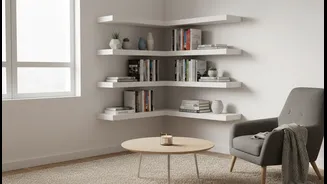
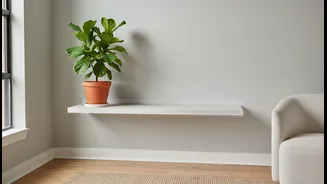
Helmets and work bags are daily essentials that need protection from the rain, but they can also bring moisture inside. A wet helmet can lead to an uncomfortable ride and damage its inner lining, while a damp work bag puts laptops and documents at risk. Consider installing a small, open shelf or a floating ledge just inside the door. This provides a designated spot for your helmet to air out and dry. For bags, a waterproof storage bin or a large, water-resistant nylon bag kept in the entryway can be a lifesaver. You can simply place your work bag inside this protective layer upon arriving home. Some motorcycle gear companies offer specific waterproof helmet bags made from durable nylon or PVC that can be used for storage.
Protecting Your Parcels
With the boom in online shopping, receiving packages is a regular occurrence. Cardboard boxes, however, offer little to no protection against a downpour and can quickly become a soggy mess, potentially ruining the contents. If your entryway or porch is uncovered, a weatherproof parcel box is an excellent investment. These secure boxes keep your deliveries safe from both rain and theft. A more budget-friendly option is to place a large, lidded plastic storage bin on your porch with a clear, laminated sign instructing delivery personnel to place packages inside. This simple solution ensures your orders stay dry until you can bring them in.
Think Vertically and Protect Your Walls
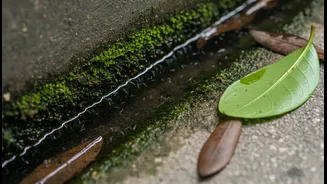
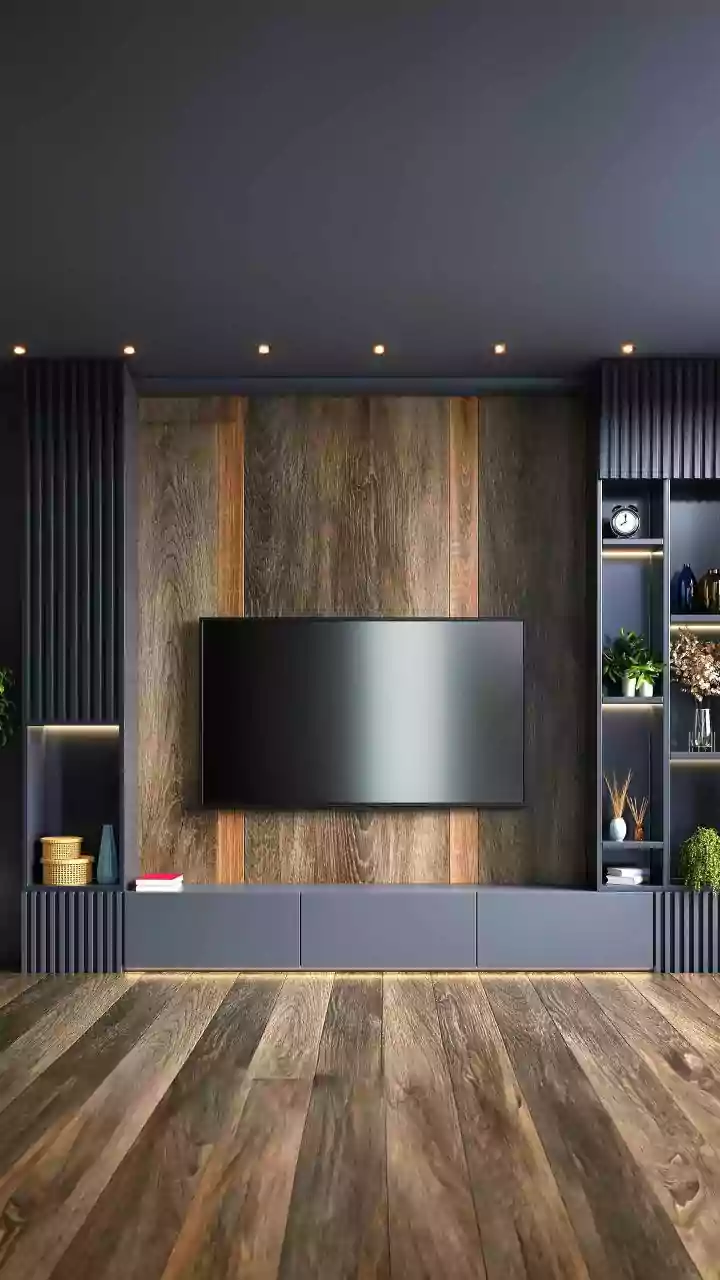
In many Indian homes, entryways can be compact. The key is to think vertically to maximize space. Use wall-mounted hooks, shelves, and organizers to get items off the floor. This not only creates a more organized look but also makes the floor easier to clean. Constant dampness from wet gear leaning against walls can lead to paint peeling and mould growth. Protect your walls by installing a waterproof panel or a few rows of tiles in your landing zone. Alternatively, using a good quality, moisture-resistant paint can provide a protective barrier. Open-style storage is often better than closed cabinets during the monsoon, as it allows for better air circulation, helping wet items dry faster and preventing mildew.