





The Myth of the Off-Season Safari
For years, conventional wisdom dictated that India's national parks shut down from July to September. While it's true that most core zones of major tiger reserves close to protect the habitat during the breeding season and prevent damage to forest roads,
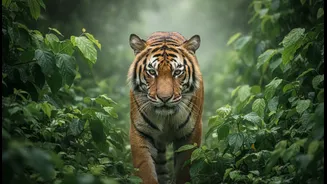
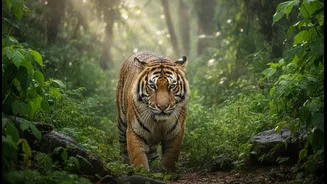
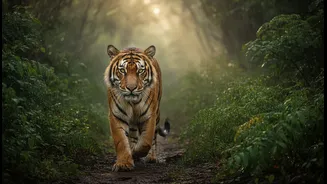
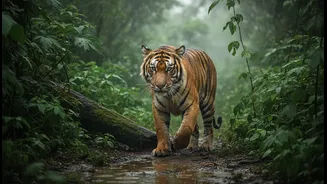
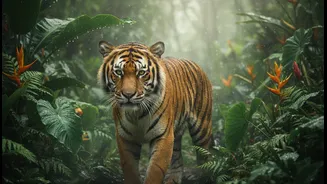
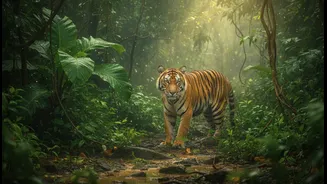
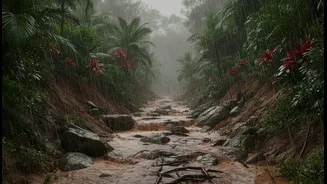
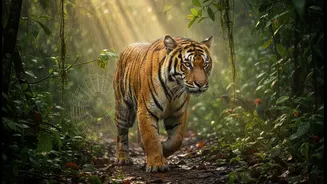
the safari season doesn't end—it just shifts. Many parks keep their buffer zones, and in some cases, specific core zones, open for tourism. This period offers a completely different, and arguably more magical, perspective on the wild. Imagine dramatic skies, rain-washed forests glowing in fifty shades of green, and the smell of wet earth. With fewer tourists and less vehicle noise, animals often move more freely, providing a more intimate and serene wildlife-watching experience.
Top Parks That Welcome the Rains
Not all parks are accessible, but a surprising number offer fantastic monsoon adventures. In Rajasthan, Ranthambore National Park keeps zones 6 through 10 open, offering a unique chance to see its famous tigers against a backdrop of lush greenery. Maharashtra's Tadoba Andhari Tiger Reserve is a standout, with buffer zones like Moharli and Kolara remaining operational and famous for tiger sightings. Down south, Kerala's Periyar National Park is open year-round and is especially beautiful during the rains, with boat safaris on the lake offering great views of elephant herds. In Karnataka, the Kabini region of Nagarhole National Park is another excellent choice, renowned for spotting leopards, elephants, and sometimes even the elusive black panther. For those in Central India, the buffer zones of Pench and Satpura National Parks in Madhya Pradesh also remain open, providing misty, atmospheric jungle drives.
What You Can Expect to See
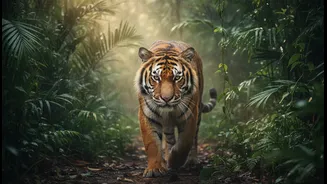
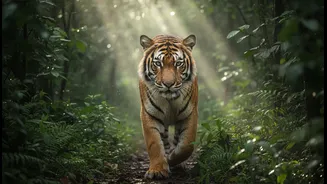
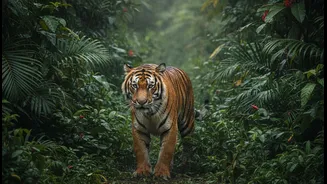
The monsoon changes animal behaviour in fascinating ways. With water sources abundant, animals are more dispersed, but many naturalists note that big cats like tigers may use the cleared safari tracks more often to avoid walking through tall, wet grass. The rain also washes away scent markings, prompting predators to patrol their territories more frequently. It’s a prime time for birdwatching, with many species displaying vibrant breeding plumage. Peacocks, in particular, are a spectacular sight with their full-feathered displays. The landscape itself becomes a major attraction; waterfalls are in full flow, grasslands turn into emerald carpets, and the forest teems with life, from colourful frogs and reptiles to unique insects and fungi. In parks like Periyar, elephant sightings near the water bodies are very common.
Your Essential Monsoon Safari Kit
Packing for a monsoon safari requires some specific considerations. Your clothing should be in neutral, earthy colours like khaki, beige, and olive green to blend in with the surroundings; avoid bright colours, black, and white. Lightweight, quick-drying fabrics are your best friend. Opt for full-sleeved shirts and full-length trousers to protect against insects. A reliable waterproof jacket or poncho is non-negotiable. Protect your gear with a waterproof bag for your camera and binoculars. Good-quality waterproof shoes with a solid grip are essential for any walking you might do. Finally, don't forget a powerful insect repellent, especially for the evenings.
Key Things to Remember
While monsoon safaris are rewarding, they come with their own set of challenges. Be prepared for last-minute changes; heavy downpours can sometimes make safari tracks temporarily inaccessible, leading to cancellations or route changes. It's crucial to book your safaris and accommodation in advance, as only a limited number of jeeps are often allowed into the open zones. Unlike the frenzy of the peak season, the pace is slower. The goal is not just to tick off a tiger sighting but to immerse yourself in the revitalized ecosystem. Embrace the moody, atmospheric conditions, and you might find that the jungle is at its most alive when it's drenched in rain.