






A Tea From The Blue Mountains
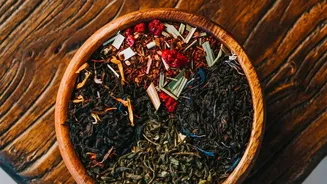
Before it became a cold-brewed sensation, Nilgiri tea was already a hidden gem among tea lovers. Grown in the Nilgiris district of Southern India, whose name translates to "Blue Mountains," this tea hails from some of the highest-elevation plantations
in the world. While India’s Assam and Darjeeling teas often steal the spotlight, Nilgiri is prized for its unique character. It’s known for being exceptionally aromatic, with a brisk, clean flavor and natural floral or fruity notes. Unlike some bolder black teas that can have a strong, astringent bite, Nilgiri is celebrated for its balanced and mellow profile, making it an ideal candidate for a variety of preparations, especially those served cold.
The Science of Its Smoothness
The standout feature of cold-brewed tea is its incredible smoothness, and the reason lies in simple chemistry. When you steep tea leaves in hot water, the heat rapidly extracts all the compounds at once—flavor, caffeine, and tannins. Tannins are polyphenols that, while containing antioxidants, are also responsible for the bitter, astringent, or dry sensation you sometimes get from an over-steeped cup. Cold water, however, works differently. It is a much gentler and slower solvent. Over a period of several hours, cold water coaxes out the tea's aromatic oils and sweet-tasting amino acids while leaving most of the larger, more bitter tannin molecules behind in the leaf. The result is a brew that is naturally sweeter, rounder, and almost impossibly smooth, without a hint of bitterness. This makes it exceptionally drinkable without any additions.
Unlocking Potent Antioxidants
One of the most compelling reasons to drink tea is for its antioxidant content, and cold brewing offers a unique advantage here. Tea is packed with powerful antioxidants like catechins (including EGCG) and flavonoids, which help the body combat free radicals. While hot brewing is effective, some research suggests the high temperatures can degrade some of these delicate compounds. The cold-brewing process, being slow and gentle, may preserve these antioxidants more effectively. Some studies have even shown that cold-brewed teas can have antioxidant levels comparable to or even higher than their hot-brewed counterparts after a long steep, ensuring you get a healthy dose of wellness in every refreshing sip.
Your Smart Sugar Swap
The claim "low sugar" might seem obvious for an unsweetened tea, but its true power lies in what it replaces. Because cold brewing produces a beverage that is naturally sweet and lacks bitterness, there is no need to add sugar, honey, or syrup to make it palatable. This positions cold-brewed Nilgiri tea as the perfect, zero-calorie alternative to sugary sodas, juices, and commercially prepared iced teas that are often loaded with empty calories. It’s a simple, effective swap for anyone looking to reduce their sugar intake without sacrificing flavor or feeling deprived. The satisfying, full-bodied taste provides the refreshment you crave, making it an effortless step toward a healthier hydration habit.
How to Brew It at Home
Making your own cold-brewed Nilgiri tea is almost laughably simple and requires no special equipment. All you need is a pitcher or a large jar with a lid. Use a ratio of about one to two tablespoons of loose-leaf Nilgiri tea for every quart of cold, filtered water. Simply combine the tea and water in your container, give it a gentle stir, and place it in the refrigerator. Let it steep for 8 to 12 hours, or overnight. The exact time is flexible; unlike hot tea, it's very difficult to over-steep cold brew. When it's done, just strain the leaves out, and you’ll have a pitcher of smooth, delicious tea ready to enjoy over ice.