






The 'Feels Like' Deception
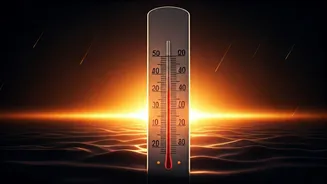
On Sunday, while thermometers across Delhi showed temperatures around 41 degrees Celsius, the 'feels like' temperature, or heat index, soared to a punishing 51 degrees. This huge difference is the core of the city's current misery and is all down to humidity.
The heat index measures how the temperature actually feels to the human body by combining air temperature with relative humidity. Our primary way of cooling down is by sweating; the evaporation of that sweat from our skin cools us. However, when the air is already saturated with moisture—as it is in Delhi right now with humidity levels swinging between 35% and 63%—that sweat can't evaporate efficiently. It clings to the skin, trapping heat and making the body feel far hotter than the actual air temperature.
A Perfect Storm of Moisture
This pre-monsoon humidity is no accident. It’s a classic sign that the weather patterns are shifting. For much of the summer, Delhi is subjected to hot, dry westerly winds. But in the lead-up to the monsoon, this pattern changes. Moisture-laden southwesterly and easterly winds begin to push inland from the Arabian Sea and the Bay of Bengal. Currently, southwesterly winds are dragging significant moisture into northwest India. This interaction between the old dry winds and the new moist ones creates a blanket of humidity over the capital. According to meteorologists, this is the precise reason for the sticky, uncomfortable heat—there is enough moisture to make it humid, but not yet enough organised weather systems to bring the widespread, cooling rains of the monsoon.
When Will the Skies Finally Break?
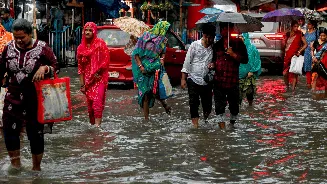
The entire city is holding its breath for the cooling downpour, and the good news is that relief is in sight. The normal onset date for the monsoon in Delhi is around June 27, so the current conditions signal a slight delay. Forecasters from the India Meteorological Department (IMD) and private agency Skymet now predict that the southwest monsoon is likely to arrive in Delhi around July 4. Conditions are becoming favourable for the monsoon to advance across northern India over the next several days. Until then, some scattered showers and thunderstorms are possible, which may provide temporary, localized relief. The IMD has issued a yellow alert for Tuesday and Wednesday, forecasting rain and thunderstorms across the capital, which should begin to bring temperatures down.
How to Survive the Final Stretch
Managing the final few days of this oppressive humidity is crucial for health and well-being. The most important rule is to stay hydrated; drink plenty of water throughout the day, even if you don't feel thirsty. Opt for light, breathable clothing made from cotton or linen to help your body regulate its temperature. If possible, avoid strenuous outdoor activity during the hottest part of the day, typically between 11 a.m. and 4 p.m. Eating lighter meals, such as salads and fruits which have high water content, can also help you feel cooler compared to heavy, hot foods that raise your body temperature. At home, keeping curtains closed during the day can block out the sun, and taking cool showers can provide immediate relief.