






Embracing the 'Susegad' Soul
The true essence of Goan life is captured in one word: 'susegad', a concept of relaxed contentment and a leisurely pace. For slow-travel enthusiasts, this is the Goa they seek, far from the tourist-packed shores of Baga and Calangute. It’s a conscious
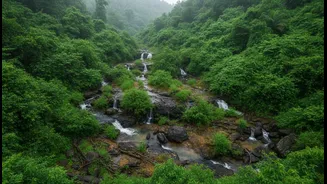
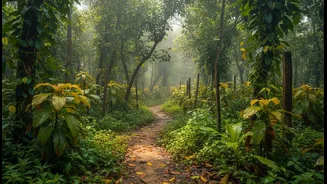
choice to trade the frantic energy of beach parties for the quiet hum of the forest. This approach isn't just about avoiding crowds; it's about a deeper, more meaningful connection with the destination. It involves staying in eco-friendly homestays, savouring local home-cooked meals, and allowing the day to unfold without a packed itinerary. The hinterlands, with their dense forests of the Western Ghats, offer a natural sanctuary for this kind of immersive travel, where the journey itself becomes the destination. Life here moves at a different rhythm, dictated by seasons and nature, offering a genuine escape and a chance to truly unwind.
Gateways to the Green Heartland
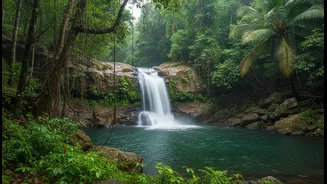
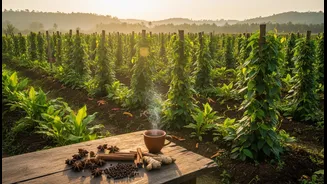
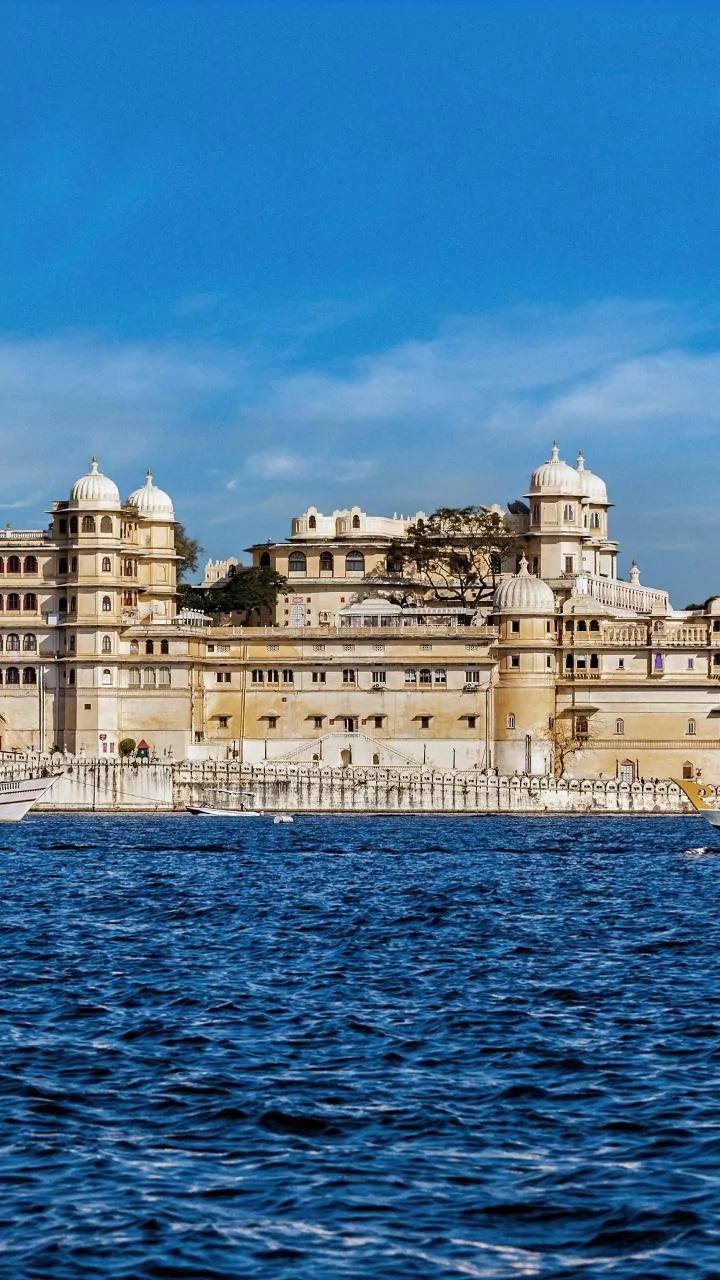
Goa’s interior is a tapestry of diverse landscapes, each offering a unique flavour of hinterland life. The region around Ponda, known as the state's cultural capital, is dotted with ancient temples and aromatic spice plantations. Here, you can wander through farms growing pepper, cardamom, and nutmeg, learning about the spices that have shaped Goan cuisine. Further south, the area around the Bhagwan Mahavir Wildlife Sanctuary and Mollem National Park provides a wilder experience. This is home to the magnificent Dudhsagar Falls, one of India's tallest waterfalls, which is best experienced during the monsoon and post-monsoon months when it resembles a 'sea of milk'. For a truly offbeat escape, islands like Divar and Chorao on the Mandovi River offer a glimpse into a tranquil, old-world Goa, with picturesque villages, Portuguese-era houses, and winding, empty roads.
Experiences Beyond the Expected
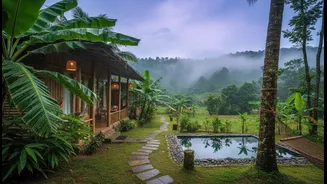
Slow travel in the hinterlands is defined by its experiences. You can start your day with a birdwatching tour in the Dr. Salim Ali Bird Sanctuary, paddling through mangrove forests. Treks through wildlife sanctuaries like Cotigao or Netravali can lead you to hidden waterfalls and ancient rock carvings. History enthusiasts can explore the 12th-century Tambdi Surla Temple, one of Goa's oldest surviving temples, tucked away in a dense forest. Many spice plantations offer guided tours followed by a traditional Goan buffet lunch, providing a feast for both the senses and the palate. Accommodation here leans towards heritage homestays and eco-resorts that are built in harmony with nature, allowing you to wake up to the sounds of the forest rather than the rush of traffic.
Navigating with Patience and Purpose
Exploring Goa's hinterlands requires a different approach to transport. While local buses connect many villages, their schedules can be infrequent. The best way to maintain the spirit of slow travel is to rent your own vehicle, be it a scooter or a car. This gives you the freedom to explore narrow country lanes, make spontaneous stops at a local bakery for fresh poi, and travel at your own pace without being tied to a rigid schedule. The roads are often winding and smaller than the coastal highways, so driving here is part of the charm. Many river crossings are serviced by local ferries, which carry people, bikes, and cars for a nominal fee, adding another layer of authentic local experience to your journey. Planning your trip between October and March ensures the weather is pleasant and the forest trails are accessible.