


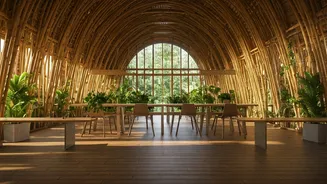



The Rise of Bamboo Architecture
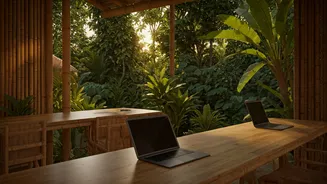
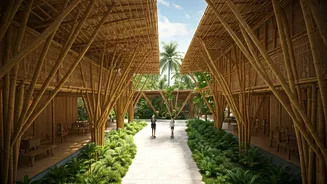
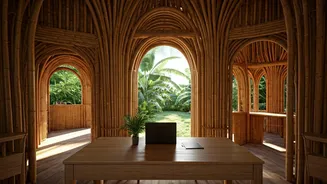
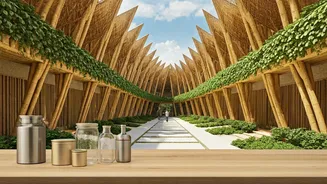
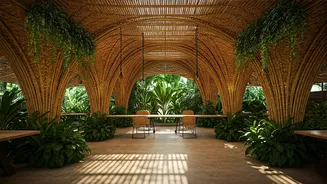
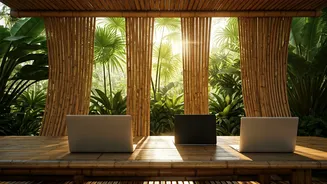
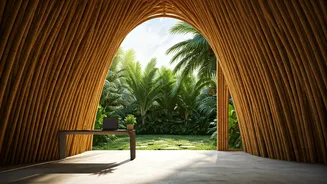
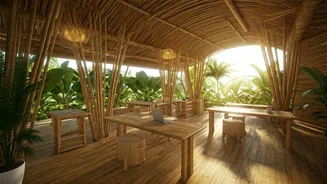
In the lush landscapes of Bali, a quiet architectural revolution is taking place. The hero of this story is bamboo, a material often dismissed as 'poor man's timber'. Here, however, it’s being elevated into breathtaking, multi-story structures that curve
and flow with organic grace. Visionary designers and builders, such as the famed firm Ibuku founded by Elora Hardy, have pioneered new treatment and construction methods that make bamboo a durable, earthquake-resistant, and incredibly sustainable building material. Unlike concrete and steel, which have massive carbon footprints, bamboo is a type of grass that grows to full maturity in just a few years. It sequesters carbon as it grows, making it a carbon-negative resource. These structures aren’t just buildings; they are statements about living in harmony with nature, using ancient materials to solve modern problems.
What Defines a Zero-Waste Hub?
These are more than just aesthetically pleasing co-working spaces. The most sought-after hubs are built on a philosophy of minimal environmental impact. The term 'zero waste' is an ambitious goal, but these communities take it seriously. It starts with the construction itself, using locally sourced, renewable materials. Operationally, it translates into a host of daily practices. Single-use plastics are often banned. On-site composting systems turn organic waste from cafes into nutrient-rich soil for gardens that, in turn, supply the kitchens. Water is conserved and recycled through sophisticated greywater systems, and energy needs are increasingly met with solar power. These hubs function as living laboratories for sustainable living, where every aspect of daily life is designed to reduce one's footprint on the planet.
A New Home for Digital Nomads
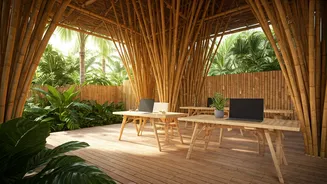
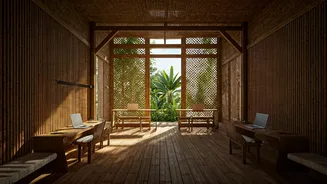
So, who is drawn to these eco-conscious havens? The answer is a growing tribe of tech-minded digital nomads. These are software developers, UX designers, crypto entrepreneurs, and content creators who can work from anywhere with a stable internet connection. After years of working in conventional urban offices or isolating home setups, they are seeking something more. Bali has long been a magnet for travellers, but these hubs offer a unique combination of world-class connectivity, professional community, and a deeper sense of purpose. Here, the line between work and life blurs in the best possible way. A morning coding session can be followed by a yoga class in an open-air shala, a collaborative brainstorming meeting, and a communal dinner made with produce grown just metres away.
The Search for Community and Connection
Perhaps the biggest draw is the built-in community. The transient nature of digital nomadism can be lonely, but these hubs are explicitly designed to foster connection. They are modern-day communes for the creative class. Shared spaces, from kitchens to libraries and event venues, encourage spontaneous interactions and collaborations. Workshops on everything from permaculture to blockchain are common, creating a vibrant ecosystem of learning and growth. For many tech workers whose careers are spent in the abstract digital realm, the tangible, nature-based environment provides a much-needed grounding. It’s a chance to connect not only with like-minded peers but also with the physical world in a more meaningful way, recalibrating their relationship with both work and nature.