








The Rise of a New Travel Trend
The concept of bleisure is rapidly gaining traction in India, with a significant number of business travellers now opting to extend their work trips for leisure. According to one report, 68% of Indian companies have seen employees add personal days to their business travel.
This trend is a win-win: employees get to explore a new city at a reduced personal cost, and companies can benefit from a more refreshed and motivated workforce. Some estimates project the Indian bleisure market will grow substantially, highlighting its staying power as a valuable employee perk. However, the convenience of mixing business with pleasure comes with financial and administrative complexities, especially when original travel plans are disrupted.
The Core Problem: Changed Flights and Vague Policies
The most common point of friction arises from changed return flights. Imagine your three-day business trip to Delhi is complete, and you plan to spend the weekend exploring the city. If an emergency back home forces you to cut your personal leave short and fly back immediately, who pays for the expensive last-minute ticket? What if your personal plans require you to change the return date you originally booked? Without a clear, written policy, this ambiguity can lead to disputes. Standard company practice often dictates that employees bear all costs related to the leisure portion of a trip, including any flight changes not required for business reasons. Relying on assumptions can leave you with an unexpected and hefty bill.
Your First Step: Scrutinise the Company Travel Policy
Before you even consider extending a trip, your first stop should be your company’s official travel and expense policy. Many large Indian firms like TCS and Infosys have formalised their bleisure rules. Look for specific clauses that address trip extensions. A good policy will clearly define the line between company-funded and personal expenses. Key things to look for include: the approval process for extending a trip, rules on flight booking, and how fare differences are handled. Often, companies will only cover the cost of a flight equivalent to what it would have been for the business-only portion of the trip; any increase due to personal extensions is your responsibility.
Get It in Writing Before You Go
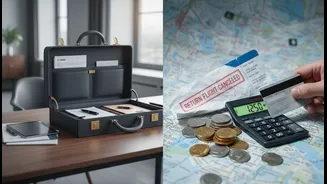
A verbal okay from your manager is not enough. To protect yourself, always get written confirmation before you book or alter any travel plans. Send a clear email to your manager and, if necessary, the HR department, outlining your intended personal extension. The best practice is to include a cost comparison: a screenshot of the flight cost for the business-only dates versus the cost with your proposed leisure dates. This creates a transparent record. State your understanding that you will cover all personal expenses, such as extra hotel nights, meals, and any fare difference for the flights. This proactive communication prevents misunderstandings and demonstrates professionalism, ensuring everyone is aligned on expectations before your trip begins.
Beyond Flights: Insurance and Other Hidden Costs
The flight ticket is just one part of the equation. Corporate travel insurance, for instance, typically only applies during the business segment of your trip. This means you may be uninsured for medical emergencies, baggage loss, or other issues during your personal days unless you arrange for your own coverage. Similarly, the company per diem stops the day your business obligations end. Any hotel stays, meals, and local transport used for sightseeing are your personal responsibility. Some companies also have specific rules regarding the use of corporate credit cards for personal expenses during a bleisure trip, so be sure to clarify this to avoid compliance issues upon your return.
Don't Overlook Tax Implications
While less common for short extensions, be aware of the tax rules surrounding travel. Spending more than ₹2 lakh in a financial year on foreign travel, whether for business or leisure, makes it mandatory to file an income tax return in India. This applies to the aggregate cost, including airfare and accommodation. Furthermore, for international trips, unspent per diem allowances on leisure days can be considered taxable income. The purpose of your visa must also match your travel; using a tourist visa for business activities can create significant tax residency issues. These are complex areas, but being aware of them helps you make informed decisions.