


What Makes a Food 'Ultra-Processed'?
The conversation starts with a classification system called NOVA, developed by researchers in Brazil. It doesn't rank foods by their nutrients like fats, sugars, or vitamins. Instead, it groups them into four categories based on the extent and purpose
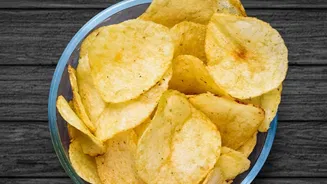
of industrial processing. Unprocessed or minimally processed foods are things like fresh fruits, vegetables, eggs, and meat. Processed culinary ingredients include oils, salt, and sugar. Processed foods are made by combining the first two groups, such as simple bread, cheese, and canned vegetables. The fourth category, ultra-processed foods (UPFs), is where the controversy lies. These are industrial formulations made from substances extracted from foods or synthesized in labs. They often contain ingredients you wouldn't find in a home kitchen, like high-fructose corn syrup, hydrogenated oils, protein isolates, and cosmetic additives like colours, artificial flavours, and emulsifiers. Think packaged snacks, sugary cereals, ready-to-eat meals, and sodas.
The Evidence for Concern
A growing body of research has linked high consumption of UPFs to a range of negative health outcomes. Large-scale observational studies and major reviews have found consistent associations between diets high in UPFs and an increased risk of obesity, type 2 diabetes, heart disease, and even death. One comprehensive review published in The BMJ found that higher intake of these foods was linked to a 50% increased risk of death related to cardiovascular disease and a higher risk for anxiety and depression. Recent studies have also suggested connections to dementia and certain types of cancer. Researchers theorize that these health risks stem from several factors. UPFs are often high in salt, unhealthy fats, and added sugars while being low in fibre and essential nutrients. Furthermore, they are engineered to be hyper-palatable, which may encourage overconsumption by overriding the body's natural fullness signals.
A Complicated and Criticised Category
This is where the science gets tricky and starts to evolve. A key criticism of the UPF category is its breadth and potential for misclassification. For example, a mass-produced whole-wheat bread and a sugary doughnut could both be classified as ultra-processed, despite having vastly different nutritional profiles. This has led some nutrition experts to argue that the NOVA system is too simplistic and that the level of processing itself isn't the problem. They question whether the observed health issues are caused by the industrial processing itself or simply by the poor nutritional content (high sugar, salt, and fat) of many, but not all, UPFs. It's also difficult for studies to isolate UPF consumption from other lifestyle factors; people who eat more UPFs may also have other habits that contribute to poor health, a challenge known as confounding variables.
Where the Research Is Headed Next
To address these complexities, scientists are digging deeper. Some of the most recent research is trying to determine if the industrial processing itself, independent of poor nutrition, plays a role. A study from mid-2026 suggests that factors beyond just nutrients—such as the breakdown of food's natural cellular structure, additives, and even chemicals from packaging—may contribute to health risks. Researchers are investigating the impact of specific additives like emulsifiers on the gut microbiome, which is known to influence everything from mental health to metabolism. The goal is to move beyond a simple classification and understand the specific mechanisms at play. This ongoing work is crucial because there is still no single, legally agreed-upon definition of a UPF, which makes regulation and clear public health messaging difficult.