







Come January 2027, air travel in India is set for a major overhaul. The government has notified a new set of rules, the Bharatiya Vayuyan Niyam, 2026, which will change how you book tickets, understand fares, and what happens when things go wrong.
Replacing a 90-Year-Old Rulebook
The
upcoming directives are not just a minor update; they represent a complete replacement of the Aircraft Rules, 1937, which have governed Indian aviation for nearly nine decades. The new framework, framed under the Bharatiya Vayuyan Vidheyak, 2024, is designed to modernise the country's aviation sector. It provides a comprehensive regulatory structure covering everything from aircraft registration and safety inspections to the licensing of pilots and crew, aiming to align India's aviation standards with global best practices in a rapidly growing market.
The End of Hidden Charges?
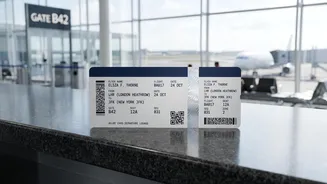
One of the most significant changes for passengers is the mandate for fare transparency. From January 1, 2027, airlines will be required to provide a detailed and itemised breakdown of the total ticket cost at the time of booking. This means the price you see will have to clearly separate the base fare, taxes, carrier fees, cancellation charges, and refund conditions. The goal is to eliminate the frustration of hidden fees and allow travellers to make a clear comparison of costs across different airlines, with all tariffs being monitored by the Directorate General of Civil Aviation (DGCA).
Government Power to Intervene in Airfares
The new rules grant the central government the power to intervene in ticket pricing during 'extraordinary situations'. If the government believes such a situation has arisen, it can issue written directions to airlines regarding fares to protect the public interest. However, the rules do not define what constitutes an 'extraordinary situation', leaving it to the government's discretion. Officials have clarified that this is not a return to permanent fare caps; airlines will continue to set prices based on market forces like demand and operational costs under normal circumstances. The intervention power is designed as a temporary lever to prevent extreme price surges during crises.
Will This Make Tickets Cheaper?
While increased transparency is a major win for consumers, the new rules are not guaranteed to make flight tickets cheaper. The primary goal is clarity, not price control. Airlines will still determine their fares based on operational costs, competition, and passenger demand. Factors like rising jet fuel prices can still push fares up. The key benefit for passengers is the ability to see exactly what they are paying for, which might foster more competitive pricing among carriers in the long run but does not ensure immediate fare reductions.
Enhanced Safety and Operational Standards
Beyond fares, the Bharatiya Vayuyan Niyam, 2026, places a strong emphasis on safety and operations. The framework includes updated provisions for aircraft maintenance, inspections, and airworthiness certifications. It also addresses the critical issue of crew fatigue by including rules on flight and duty time limitations for pilots and cabin crew. Furthermore, it specifies the qualifications, training, and licensing requirements for all key aviation personnel, including pilots, engineers, and air traffic controllers, to ensure a higher standard of safety across the board.