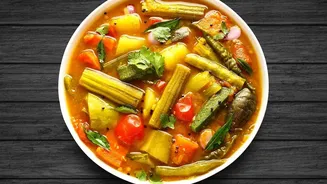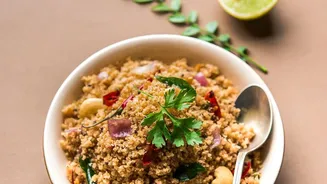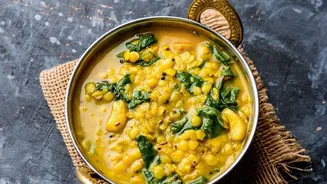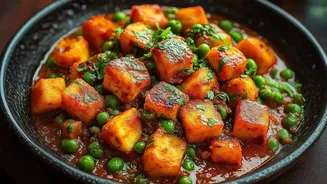



It’s a universally acknowledged truth in many Indian households: no matter how good a curry is on the day it's made, it’s almost always better the next day. You’re not imagining it. This delicious phenomenon is rooted in real food science.
The Slow Dance of Spice Molecules
The incredible
depth of an Indian curry comes from a complex blend of spices, each containing unique aromatic compounds and oils. During cooking, heat causes spices to 'bloom', releasing their essential oils into the fats and liquids of the dish. However, this process doesn't stop when the stove is turned off. As the curry cools and rests overnight, these flavour molecules continue their journey. This process, known as flavour equilibration, involves the molecules slowly migrating and diffusing throughout the gravy. Many of these compounds are fat-soluble, meaning they dissolve in oil or ghee rather than water. The overnight rest gives them the time needed to fully infuse into the fats, which then carry that layered flavour into every corner of the dish, ensuring a more rounded and cohesive taste in every bite.
Aromatics Mellow and Deepen
The foundation of most curries is a blend of aromatics like onions, garlic, and ginger. When freshly cooked, these ingredients can have a sharp, pungent bite. An overnight rest allows these strong flavours to mellow and integrate seamlessly into the sauce. Chemical reactions continue to occur even at refrigerated temperatures. Pungent sulphur compounds in onions and garlic, for instance, transform into milder, more savoury derivatives. Similarly, the long, slow cooking of onions that creates sweetness through the Maillard reaction and caramelisation is enhanced by this resting period, allowing those sugars to dissolve and contribute to a richer background flavour. The harsh edges soften, resulting in a deeper, more harmonious base.
Texture Transforms for the Better
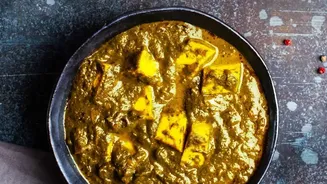
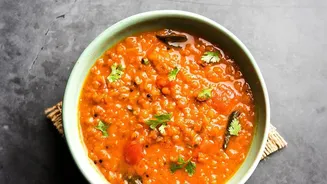
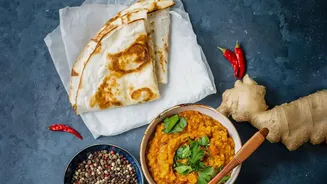
Flavour isn’t the only thing that improves; the texture of a curry also undergoes a significant transformation. In meat-based curries, collagen breaks down into gelatin during cooking. As the curry cools, this gelatin sets, trapping flavour compounds within its structure. When reheated, the gelatin melts, creating a silky, richer mouthfeel that coats the palate. In vegetarian dishes like dal or chana masala, the starches from lentils, legumes, or potatoes continue to absorb liquid and relax. This naturally thickens the gravy, making it less watery and more velvety. The ingredients themselves, whether paneer, vegetables or meat, also absorb more of the surrounding sauce, making them more succulent and flavourful from the inside out.
The Marriage of All Elements
Ultimately, the magic of leftover curry is about synergy. Individual ingredients with distinct notes—the sour tang of tomatoes or tamarind, the earthy depth of cumin, the sweet warmth of cinnamon, and the fiery kick of chilli—all begin to 'talk' to each other during the resting period. What were once separate notes in an orchestra blend into a single, complex chord. The sharp notes mellow, the deep notes become more resonant, and new, subtle flavour compounds are even formed as the various chemical components interact. This melding process ensures that no single flavour dominates. Instead, you get a balanced, multi-layered taste experience that is more complex and satisfying than the sum of its parts.