






The End of Information Overload
Every major project begins with a mountain of research—articles, case studies, and web pages. Traditionally, each team member wades through their assigned reading, and synthesising it all is a major hurdle. Smart summary platforms tackle this head-on.
Using AI, these tools can ingest dozens of documents, PDFs, or links and distill them into bulleted key points, abstracts, or thematic summaries. Instead of spending hours reading everything, the team gets a high-level overview in minutes. This allows students to quickly identify the most relevant sources, divide work more intelligently, and ensure everyone is working from a shared understanding of the core material, rather than their own fragmented interpretation.
From Messy Chats to Clear Minutes
One of the biggest drains on a group project is the endless, disorganised group chat. Important decisions get lost between memes and scheduling conflicts. Smart platforms with integrated communication tools are solving this. Imagine having a meeting or a brainstorming session in a dedicated channel. Afterwards, you can use an AI function to generate a concise summary of the conversation, complete with action items and key decisions. No more scrolling back through hundreds of messages to remember who agreed to format the bibliography. This automated record-keeping transforms messy discussions into actionable meeting minutes, holding everyone accountable and keeping the project moving forward.
Ensuring Everyone Pulls Their Weight
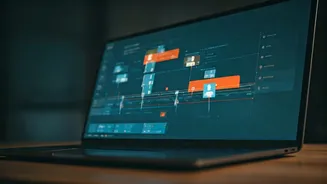
Accountability is a classic group project challenge. It’s often difficult to track who is contributing and who is falling behind until the deadline is dangerously close. Modern collaborative platforms offer transparent task management with a twist. Not only can you assign tasks and set deadlines, but many now use AI to provide progress summaries. A project lead can ask the platform, “What progress was made on the introduction this week?” and get a clear report based on document edits, completed tasks, and logged updates. This visibility is not about policing teammates; it’s about identifying bottlenecks early. If a section is stalled, the team can see it and offer help before it becomes a crisis.
Synthesising a Cohesive Final Product
Perhaps the most difficult part of a group project is stitching together pieces written by different people into a single, cohesive document. Tones clash, formatting is inconsistent, and arguments don’t always flow logically from one section to the next. While AI can’t completely replace human editing, it can serve as a powerful assistant. Some tools can analyse a full draft and highlight inconsistencies in tone, suggest transitional phrases, or even create a high-level outline of the document’s existing structure. This allows the team to see their work from a bird’s-eye view, making it easier to spot logical gaps and smooth out the rough edges, resulting in a more polished and professional final submission.
How to Choose the Right Platform
The market for these tools is growing fast. When choosing one for your team, don't just pick the one with the most features. Instead, consider your project’s specific needs. Is your project heavily research-based? Prioritise a tool with strong document summarisation. Is your team large and struggling with communication? Look for a platform with excellent chat-to-summary functions. Also, consider integration. Does the tool work well with the software you already use, like Google Docs or Microsoft Word? Finally, look at the cost and the learning curve. Many platforms offer free or student-priced tiers. Choose something that is intuitive enough for the whole team to adopt quickly without needing a training course.