







The Science of Feeling Full
The secret to the wrap's filling power lies in its star ingredient: cottage cheese. This dairy product is a protein powerhouse. A single cup can pack over 25 grams of protein, which is significantly more than many other popular snack options. Protein
is the most satiating of the three macronutrients (protein, fats, and carbohydrates). It digests more slowly, which means it stays in your stomach longer, helping you feel full for an extended period. Furthermore, a high-protein intake helps regulate hunger hormones like ghrelin, signaling to your brain that you're nourished and satisfied, which helps to reduce cravings and prevent overeating.
It’s All in the Casein
Delving deeper, about 80% of the protein in cottage cheese is casein. Casein is a slow-digesting protein, meaning it releases amino acids into the bloodstream gradually. This slow and steady release not only helps with muscle repair and synthesis, especially if eaten before bed, but it's also a major contributor to that long-lasting feeling of fullness. This sustained nourishment is what helps you avoid the mid-afternoon slump and the urge to snack shortly after a meal, making it a valuable tool for weight management.
The “Light” Factor Explained
So, if it’s so filling, why does it feel “light”? The answer is in what it replaces. A traditional wrap uses a flour or corn tortilla, which is primarily made of carbohydrates. The viral cottage cheese wrap, however, is made by blending cottage cheese with eggs and baking it into a thin, pliable sheet. This means you are skipping the refined carbs and gluten entirely. The result is a wrap that is naturally low-carb and gluten-free, providing structure for your fillings without the dense, sometimes heavy feeling that can come from bread-based products. With very few carbs, it also helps prevent the blood sugar spikes and crashes associated with many grain-based foods.
More Than Just a Wrap
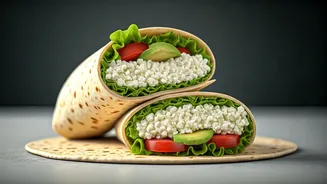
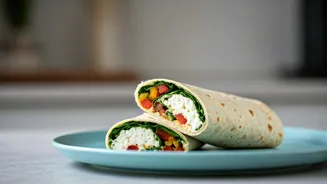
The versatility of the cottage cheese wrap is another part of its appeal. Because the wrap itself has a mild, slightly savory flavor, it serves as a neutral canvas for countless fillings. You can go the classic route with deli meats, cheese, and fresh vegetables, or create a breakfast wrap with scrambled eggs and avocado. The wrap is sturdy enough to hold a variety of ingredients, allowing you to load it up with nutrient-dense foods like leafy greens, lean proteins, and healthy fats. This adds volume and nutritional value to your meal without adding significant calories, further enhancing the feeling of satisfaction while keeping the overall meal light and healthy.
A Dietitian’s Take on the Trend
From a nutritional standpoint, dietitians see a lot to like about this trend. It's a simple way to boost your daily protein intake, which is crucial for muscle health and appetite control. For those managing blood sugar levels, such as individuals with diabetes, it's an excellent low-glycemic alternative to traditional wraps. Some brands of cottage cheese also contain probiotics, which are beneficial for gut health. However, it's worth noting the sodium content, as some cottage cheese can be quite high in salt. As with any food, moderation and variety are key to a balanced diet.