



The Common 'Tiny Furniture' Mistake
When faced with a compact room, our first instinct is often to fill it with tiny furniture. A small sofa, a tiny coffee table, a miniature armchair—it seems logical. The assumption is that small pieces will take up less space, therefore making the room feel
bigger. However, designers will tell you this is one of the most common mistakes that can make a space feel even smaller. A room filled with too many undersized items can quickly look cluttered and 'bitsy', resembling a dollhouse rather than a functional, comfortable home. This approach often creates visual chaos and leaves you with furniture that isn't particularly comfortable or practical, defeating the purpose of creating a liveable space.
Embracing Proper Scale and Proportion
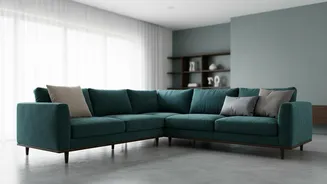
The secret to making a small room feel spacious isn't about the size of the furniture, but its scale in relation to the room. Instead of numerous small pieces, interior designers advise using fewer, but larger, well-chosen items. A single, generously sized sofa can make a room feel calmer and more expansive than a cramped two-seater and a collection of mismatched small chairs. The key is proportion. By anchoring the room with a few correctly scaled pieces, you create a sense of order and substance. This doesn't mean choosing bulky, oversized furniture that blocks walkways. Rather, it's about finding pieces that fit the space comfortably while leaving enough negative space—or breathing room—to move and live. Pulling furniture even a few inches away from the walls can also help create a sense of depth.
The Smarter Solution: Double-Duty Design
This is where double-duty, or multifunctional, furniture becomes a game-changer for urban Indian homes. In cities where every square foot is precious, furniture that serves only one purpose is a wasted opportunity. Smart design today focuses on pieces that work harder, providing multiple functions within the same footprint. This trend is not just about saving space; it's about adding flexibility and value to your home. Current trends show a strong preference for modular and adaptable furniture that can change with our needs. A living room can become a guest room, a dining area can appear when needed, and hidden storage can eliminate clutter, all thanks to clever design.
Putting Multifunctionality into Practice
The options for double-duty furniture are more stylish and innovative than ever. A quality sofa-cum-bed can transform a living room into a comfortable guest space. An ottoman can serve as a footrest, extra seating, and a hidden storage container for blankets or magazines. In the kitchen or a studio apartment, an extendable dining table remains compact for daily use but expands to welcome guests. Wall-mounted desks can be folded away when the workday is over, instantly reclaiming floor space. Even the bed, which typically occupies the most floor space in a bedroom, can be a storage powerhouse with hydraulic lifts or drawers underneath.
How to Choose the Right Pieces
When investing in multifunctional furniture, a few principles will guide you to the best choices. First, always measure your space before buying. Understand the dimensions of the room and consider how people will move through it. Second, prioritise quality, especially for pieces with moving parts like sofa beds or extendable tables. A well-made mechanism will ensure longevity and ease of use. Third, consider your lifestyle. Choose pieces that solve a real problem for you, whether it's the need for a workspace, guest accommodation, or better storage. Finally, aim for a cohesive look. Select items that match your overall style to create a unified and calming environment, rather than a collection of random gadgets.