



Why Your Summer Schedule Won't Work
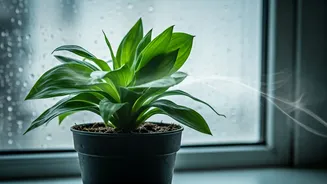
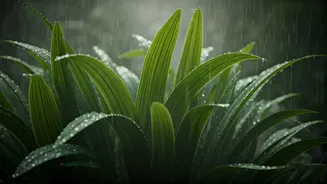
During the monsoon, the air is saturated with moisture. This has two major effects on your indoor plants: the soil dries out much, much slower, and the plant itself absorbs some moisture from the air. Continuing to water on a fixed summer schedule is the most
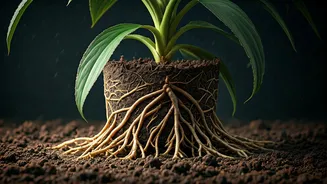
common mistake plant parents make, leading to waterlogged soil that suffocates the roots. This lack of oxygen creates the perfect breeding ground for root rot, a fungal disease that can quickly kill a plant. The problem is amplified by reduced sunlight on cloudy days, which further slows down the plant's water usage and evaporation.
Ditch the Calendar, Trust Your Finger
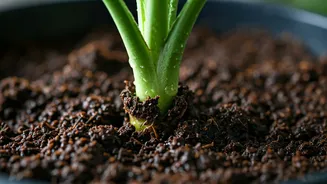
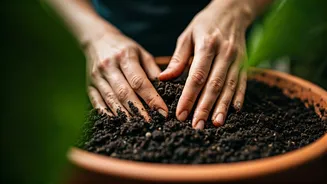
The single most important change to make is to stop watering on a schedule and start checking the soil manually. Before you even think about picking up that watering can, stick your finger about an inch or two into the soil. If it feels moist, wait. If it feels dry to the touch, it's time to water. This simple test is far more reliable than a calendar because it accounts for the specific conditions of your home's humidity and your plant's needs on any given day. For most tropical indoor plants, you might find your watering frequency reduces by half or more compared to the summer months.
Recognise the Signs of Overwatering
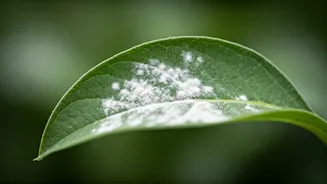
Your plants will tell you when they're getting too much water. The most common sign is yellowing leaves, especially the lower ones, that feel soft and mushy, not crispy. Other red flags include a musty or sour smell from the soil, the appearance of white mould on the topsoil, or a sudden infestation of tiny flying insects called fungus gnats, which are attracted to damp conditions. You might also see wilting, which is confusing because it's also a sign of underwatering. However, wilting from overwatering happens because the rotting roots can no longer absorb water effectively, even when the soil is wet.
It's All About Drainage and Airflow
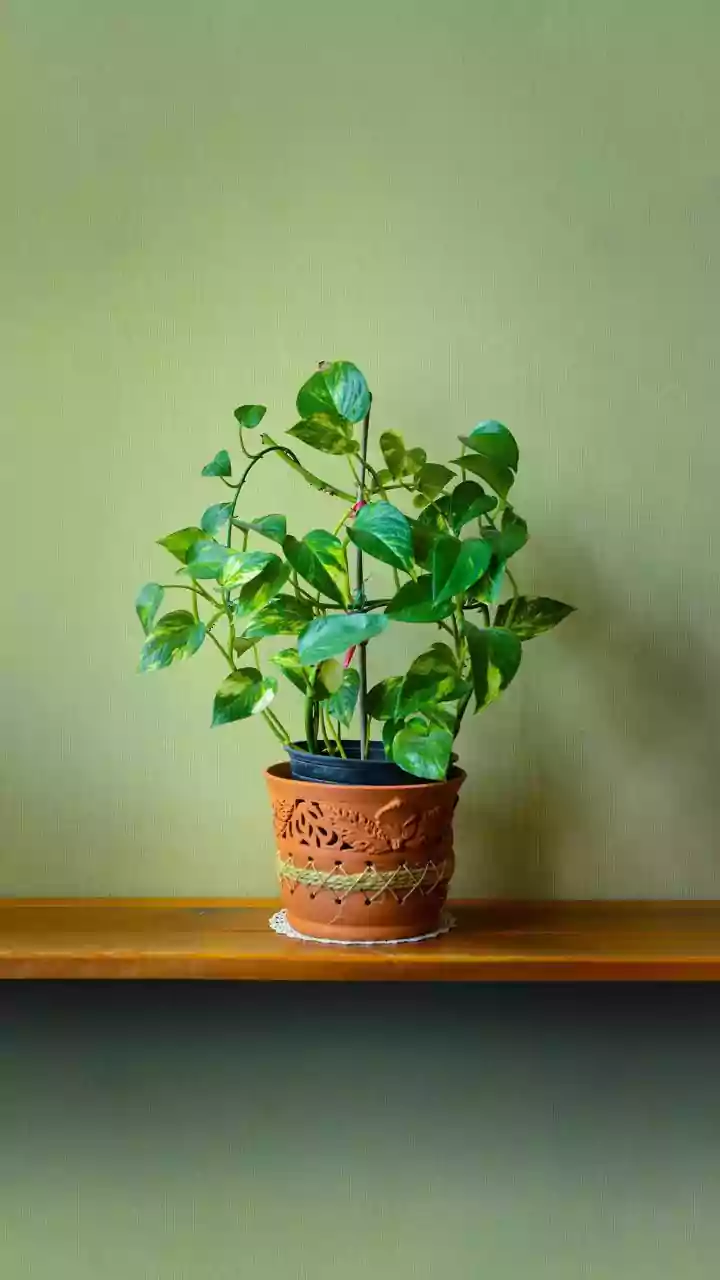
Good drainage is non-negotiable during the monsoon. Ensure every pot has drainage holes and that they aren't clogged. Using porous terracotta pots can also help the soil breathe. It’s a good idea to elevate your pots on small bricks or stands to ensure water can escape freely and doesn't collect in the saucer underneath. Increasing air circulation is also crucial. Open windows when it isn't raining or even use a small fan to keep the air moving around your plants. This helps the soil dry more evenly and discourages fungal spores from settling on leaves.
Adjust for Different Plant Types
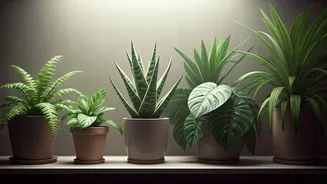
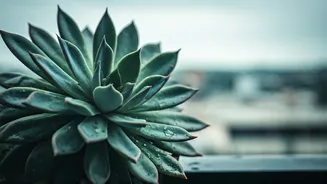
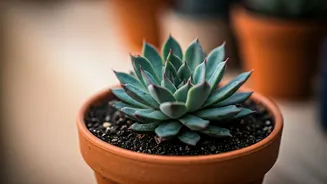
Not all plants have the same needs. Succulents and cacti, for example, are extremely sensitive to overwatering and may only need a splash of water once a month during the high-humidity season. For these desert natives, it’s critical their soil dries out completely between waterings. Tropical plants like monsteras, philodendrons, and ferns enjoy the high humidity but still require less frequent watering than in summer. Pay close attention to these varieties and always err on the side of underwatering during the monsoon. It's much easier for a plant to recover from being a little thirsty than from having its roots rot away.