






The Spirit of Shravan Eating
Shravan, the fifth month in the Hindu calendar, is dedicated to Lord Shiva and marked by devotion, reflection, and for many, fasting. The culinary philosophy of this month is rooted in sattvic principles, which favour foods that are pure, clean, and promote
clarity of mind and physical well-being. This ancient practice aligns beautifully with the monsoon season, a time when Ayurveda suggests our digestive fire, or 'agni', is naturally weaker. The Shravan diet, therefore, is not about restriction but about intelligent, gentle nourishment that gives the digestive system a rest and helps detoxify the body.
The Prohibited and The Preferred
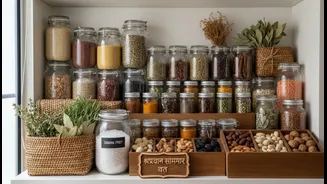
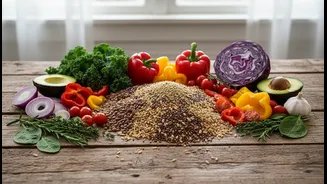
The rules of Shravan cooking are straightforward. All non-vegetarian foods, including meat, fish, and eggs, are strictly avoided. A key characteristic is the exclusion of onions and garlic, which are considered 'rajasic' and 'tamasic'—foods believed to increase passion, aggression, or lethargy, thereby hindering spiritual focus. Regular table salt is often swapped for sendha namak (rock salt). In their place, the diet welcomes a vibrant array of fresh fruits, dairy products like milk and paneer, and specific grains such as buckwheat (kuttu) and amaranth (rajgira). But the true heroes of the Shravan kitchen are the vegetables.
The Vegetable Hall of Fame
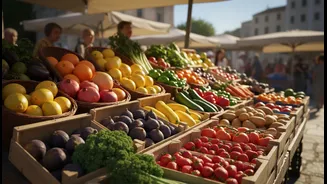
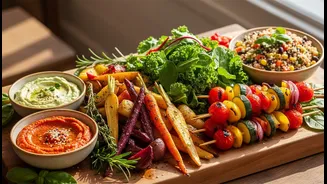
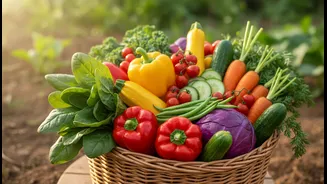
During Shravan, certain vegetables take centre stage. Gourds are particularly popular, with bottle gourd (lauki) being a versatile favourite used in everything from simple curries to desserts. Pumpkin (kaddu), potato, sweet potato, and arbi (colocasia) are also widely consumed, providing essential energy and nutrients. These vegetables are typically prepared in the simplest ways—steamed, boiled, or in a light curry spiced with cumin, green chillies, and ginger. This simple preparation allows the natural flavours of the produce to shine through, creating meals that are both nourishing and easy to digest.
Simple Recipes, Big Flavours
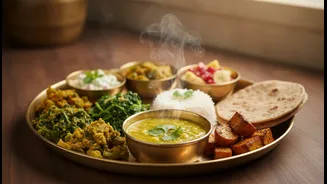
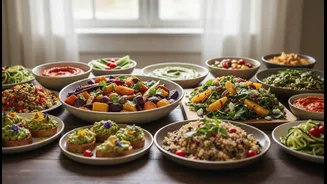
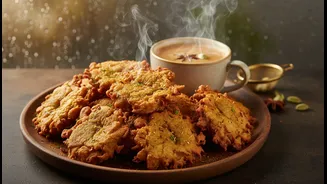
Cooking without onion and garlic might seem daunting, but Shravan recipes showcase how to build flavour with other ingredients. A simple potato curry (aloo sabzi) made for fasting is a classic example. Boiled potatoes are gently cooked in ghee with cumin seeds, green chillies, and tomatoes (in regions where they are permitted during fasts), and seasoned with rock salt. Another staple is sabudana khichdi, where tapioca pearls are tossed with boiled potatoes, roasted peanuts, and a dash of lemon juice. Flours like singhara atta (water chestnut flour) are used to make puris or fritters, offering a satisfying and filling meal.
A Modern Wellness Reset
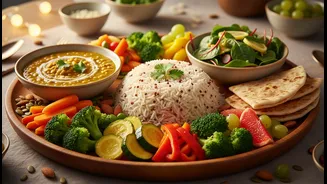
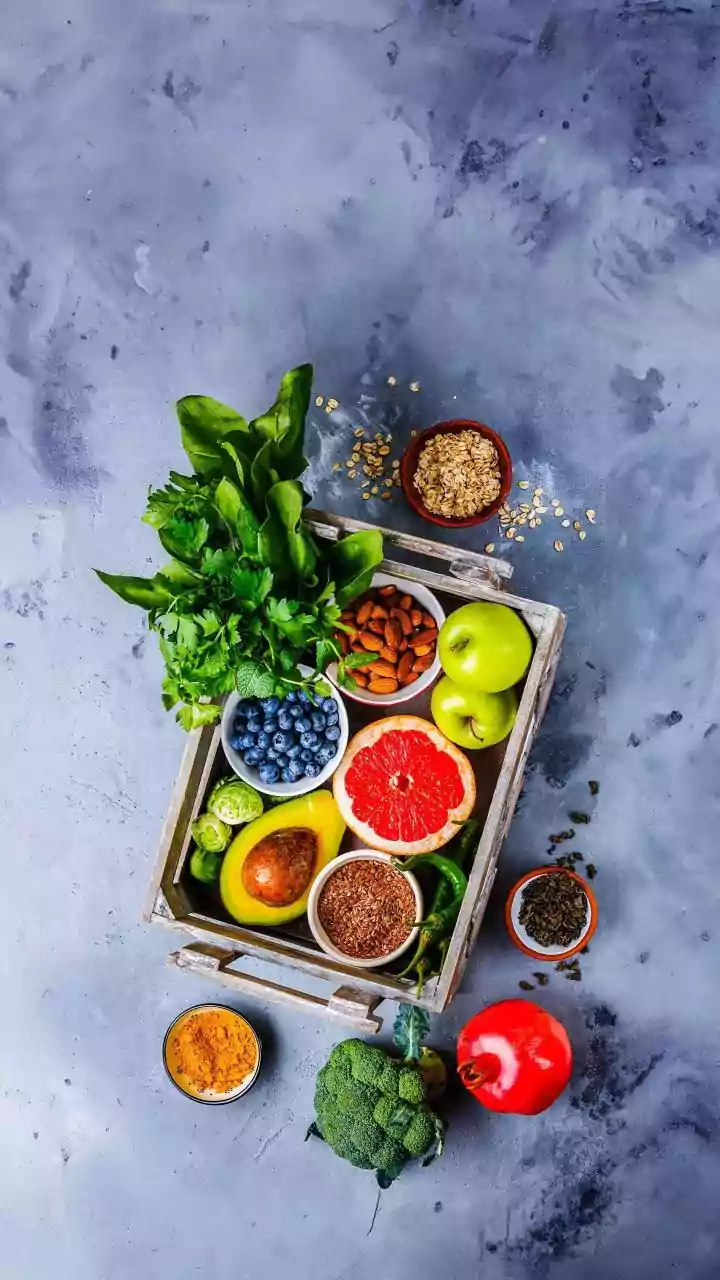
While deeply rooted in tradition, the Shravan diet resonates strongly with modern wellness concepts. At its core, it is a seasonal, plant-forward diet that eliminates processed foods, alcohol, and heavy ingredients. Many people today embrace the Shravan diet not just for religious reasons but as an annual detox or a mindful eating challenge. It’s an opportunity to reconnect with local, seasonal produce and discover the subtle, clean flavours of food in its most natural state. This period of mindful eating can lead to improved digestion, enhanced energy levels, and a greater sense of overall well-being.