






Vehicle Check 1: Tyres and Brakes
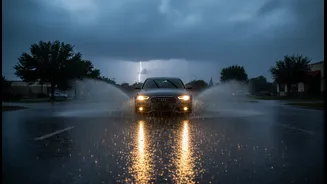
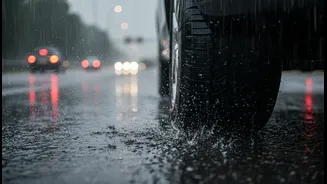
Your vehicle's only contact with the road is its tyres, and their importance multiplies on wet surfaces. Before heading out, ensure your tyres have adequate tread depth—at least 2-3mm is recommended to prevent hydroplaning, where a layer of water builds
between the tyres and the road surface, leading to a loss of control. Also, check for correct tyre pressure. Under-inflated or over-inflated tyres can significantly affect grip and handling. Equally critical are your brakes. Wet conditions can increase your vehicle's stopping distance. Regularly inspect your brake pads, discs, and fluid. If your brakes feel spongy or less responsive, get them checked immediately. For two-wheelers with drum brakes, water can enter the drum and reduce efficiency; gently applying the brakes while riding can help dry them out.
Vehicle Check 2: Visibility is Everything
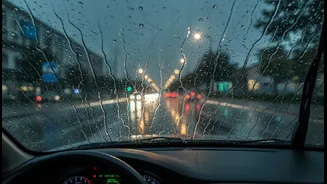
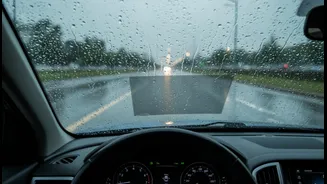
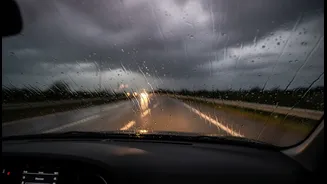
During a downpour, seeing and being seen is paramount for safety. Check that your windscreen wipers are in good condition. Summer heat can cause the rubber blades to harden and crack, leading to streaks or ineffective clearing. Replace them if they are not wiping the screen clean. Top up your washer fluid reservoir, and for better results, consider using a rain-repellent treatment on the windshield. Also, ensure all your lights are functional—headlights, tail-lights, brake lights, and indicators. Driving with your headlights on, even during the day in heavy rain, makes you more visible to other road users.
Driving Technique: Slow and Steady
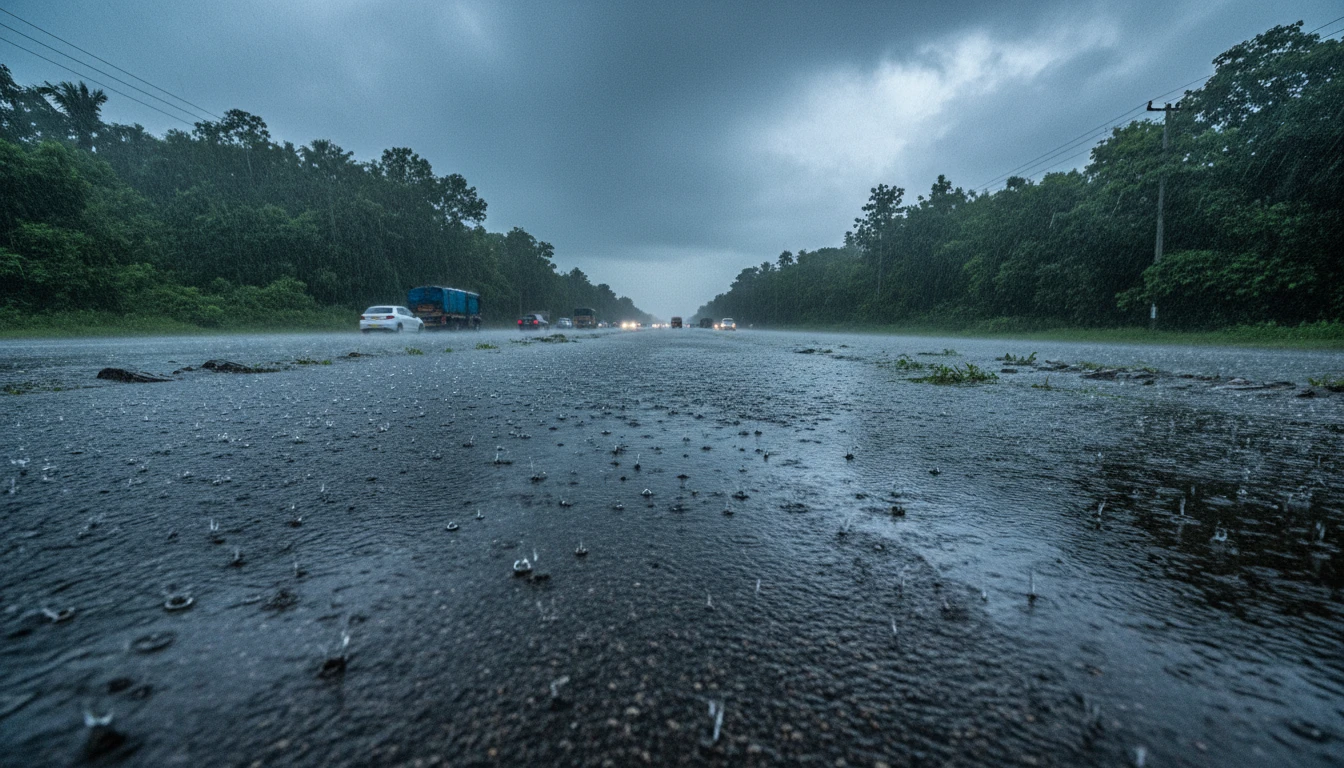
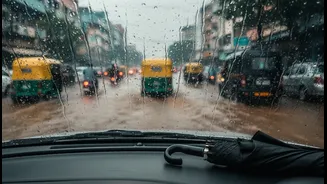
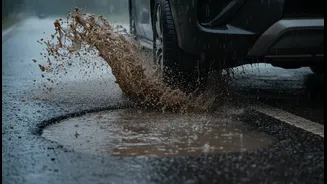
The single most important adjustment to make when driving in rain is to slow down. Reduced speed gives you more time to react to hazards and lowers the risk of skidding. Maintain a greater distance from the vehicle in front of you, as braking distances are longer on wet roads. Avoid sudden acceleration, hard braking, and sharp turns, as these manoeuvres can easily cause a loss of traction. When approaching waterlogged areas, exercise extreme caution. It's impossible to judge the depth of the water or know what hazards, like open manholes or deep potholes, lie beneath. If you must drive through water, do so in a low gear with steady, higher revs to prevent water from entering the exhaust.
For Two-Wheeler Riders: Extra Precautions
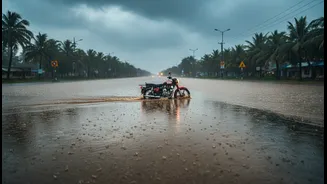
Riding a motorcycle or scooter in the rain requires an even higher level of alertness. Apart from checking tyres and brakes, ensure your chain is properly lubricated to protect it from rust. Always wear a full-face helmet with a clear, anti-fog visor. Wearing bright or reflective rain gear is crucial for visibility. Be especially wary of painted road markings and metal manhole covers, which become extremely slippery when wet. Avoid leaning too much into turns and try to keep the bike as upright as possible to maintain grip.
For Pedestrians: Be Seen and Stay Alert
If you are walking, your safety also depends on being vigilant. Wear bright-coloured clothing or carry a colourful umbrella to make yourself more visible to drivers. Choose footwear with a good grip to avoid slipping on wet pavements. Be extremely cautious of puddles and waterlogged streets, which can conceal open drains or uneven surfaces. Avoid distractions like using your phone while walking, as you need to be fully aware of your surroundings. Always use designated pedestrian crossings and wait for traffic to stop before stepping onto the road.
The Journey Itself: Plan and Prepare
Before you even start your journey, check weather forecasts and traffic updates for your route. If heavy rain and flooding are predicted, consider if your travel is essential. Carrying a monsoon emergency kit in your car is a wise precaution. This could include a first-aid kit, a torch, jumper cables, a tow rope, and a warning triangle. It's also a good idea to have a fully charged phone and power bank, along with some drinking water and dry snacks, in case you get stranded in traffic for a long time.