


A World of Fire and Acid
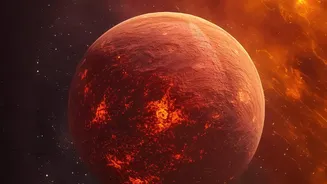
Imagine a planet roughly the same size as Earth, but with a surface pressure over 90 times greater and a temperature of around 462 degrees Celsius. That’s Venus. Its atmosphere is a suffocating blanket of carbon dioxide that has triggered a runaway greenhouse
effect, trapping heat and turning the planet into a planetary inferno. Adding to its hostile nature is a thick, perpetual layer of clouds made not of water, but of corrosive sulphuric acid. These clouds are so dense they completely hide the surface from view, creating a mystery that has fascinated scientists for decades. It is beneath this impenetrable shield that ISRO’s Shukrayaan mission aims to peer, seeking answers about how our planetary sibling turned into such a toxic world.
The Enigma of the Sulphur Cycle
Sulphur is central to the identity of Venus. On Earth, sulphur is an essential element for life, but on Venus, it defines the planet's extreme chemistry. Sulphur dioxide from suspected volcanic activity combines with what little water vapour exists to form the dense sulphuric acid clouds. These clouds are part of a complex atmospheric sulphur cycle that scientists are still struggling to fully understand. For instance, spacecraft have detected sulphur dioxide at altitudes where it should be rapidly destroyed by sunlight, a puzzle that suggests our models are incomplete. Understanding how sulphur is transported, transformed, and what happens to it below the cloud deck is critical. It could hold clues to active volcanism, atmospheric dynamics, and the planet's overall evolution.
ISRO’s International Toolkit
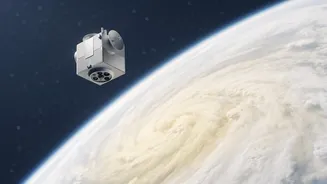
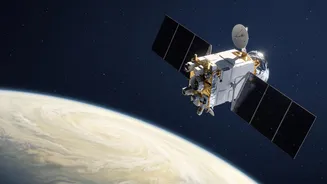
To unravel these mysteries, the Shukrayaan orbiter will carry a suite of around 19 scientific payloads, weighing approximately 100 kilograms in total. While the headline focuses on studying sulphur, there isn't one single 'sulphur payload', but rather a collection of instruments working together. These include spectrometers and atmospheric mappers designed to study the composition and dynamics of the atmosphere. A key objective for these instruments is to analyse the structure of the sulphuric acid clouds and estimate the concentration of H2SO4, which is crucial for understanding the planet's energy balance. In a significant display of global collaboration, the mission will feature instruments from several countries. Sweden is providing the Venusian Neutrals Analyser (VNA) to study how solar wind strips away the atmosphere, while Russia and France are contributing the VIRAL instrument to study the atmospheric gases.
What Shukrayaan Hopes to Discover
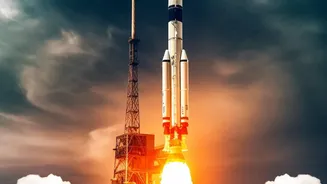
The mission, officially approved by the Indian government in September 2024, has a launch target of March 2028. Beyond the sulphur cycle, Shukrayaan’s objectives are ambitious. Its radar systems will map the planet’s surface and even probe its subsurface, searching for signs of lava flows and active volcanic hotspots that may be feeding sulphur into the atmosphere. By studying the interaction between the solar wind and the Venusian ionosphere, scientists hope to understand why Venus lost its oceans, which are believed to have existed in its distant past. Answering these questions about Venus isn't just about understanding another planet. It provides a natural laboratory for studying extreme climate change, offering invaluable insights into the processes that can transform a potentially habitable world into an uninhabitable one, a lesson with profound implications for our own planet.