




More Than Just a Train Ride
Forget high-speed travel and sterile airport terminals. The journey that has captured the imagination of travellers and social media feeds alike begins at a much slower pace. From the bustling plains of Siliguri, the gateway to Northeast India, the narrow-gauge
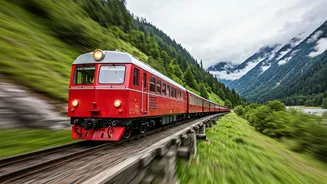
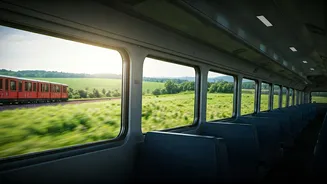
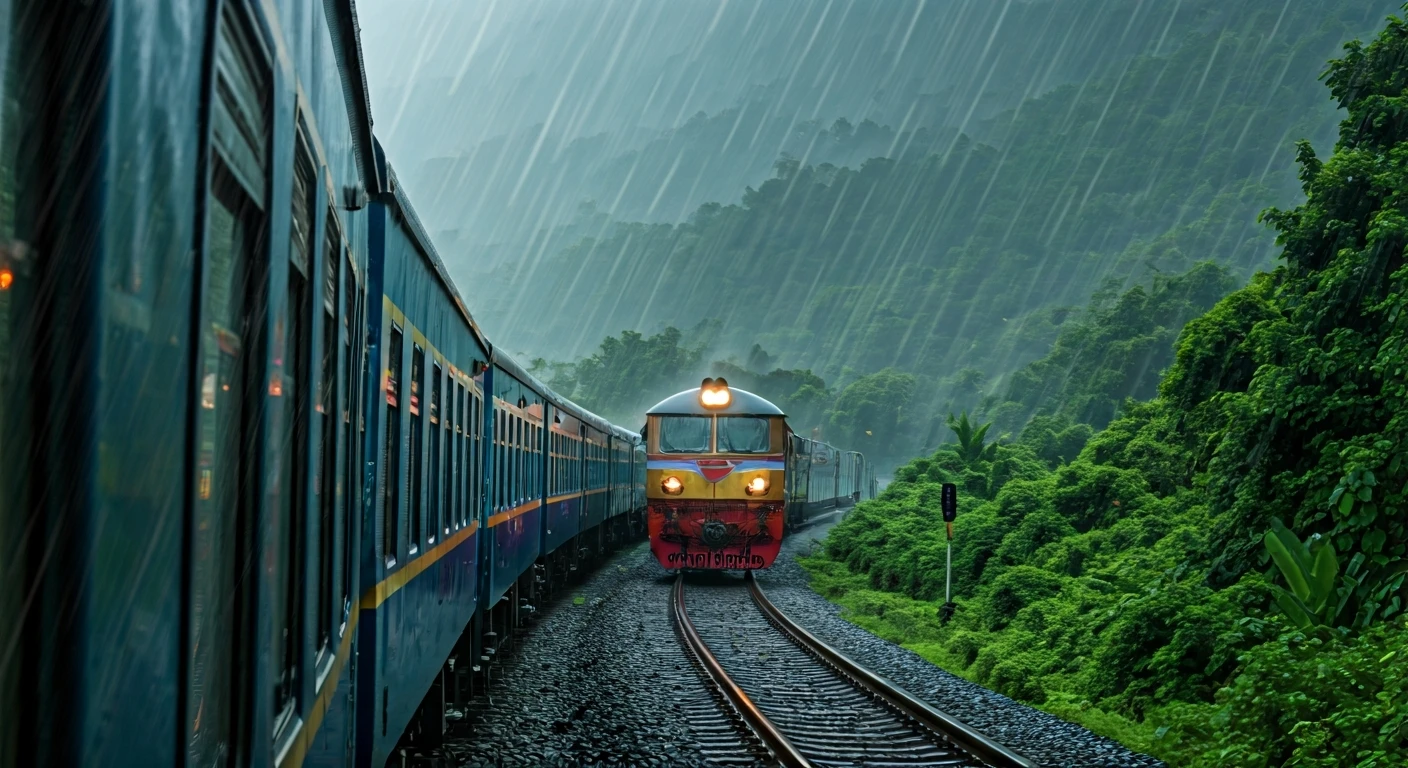
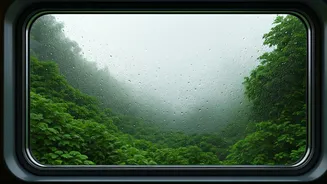
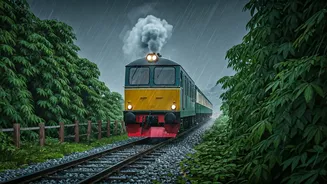
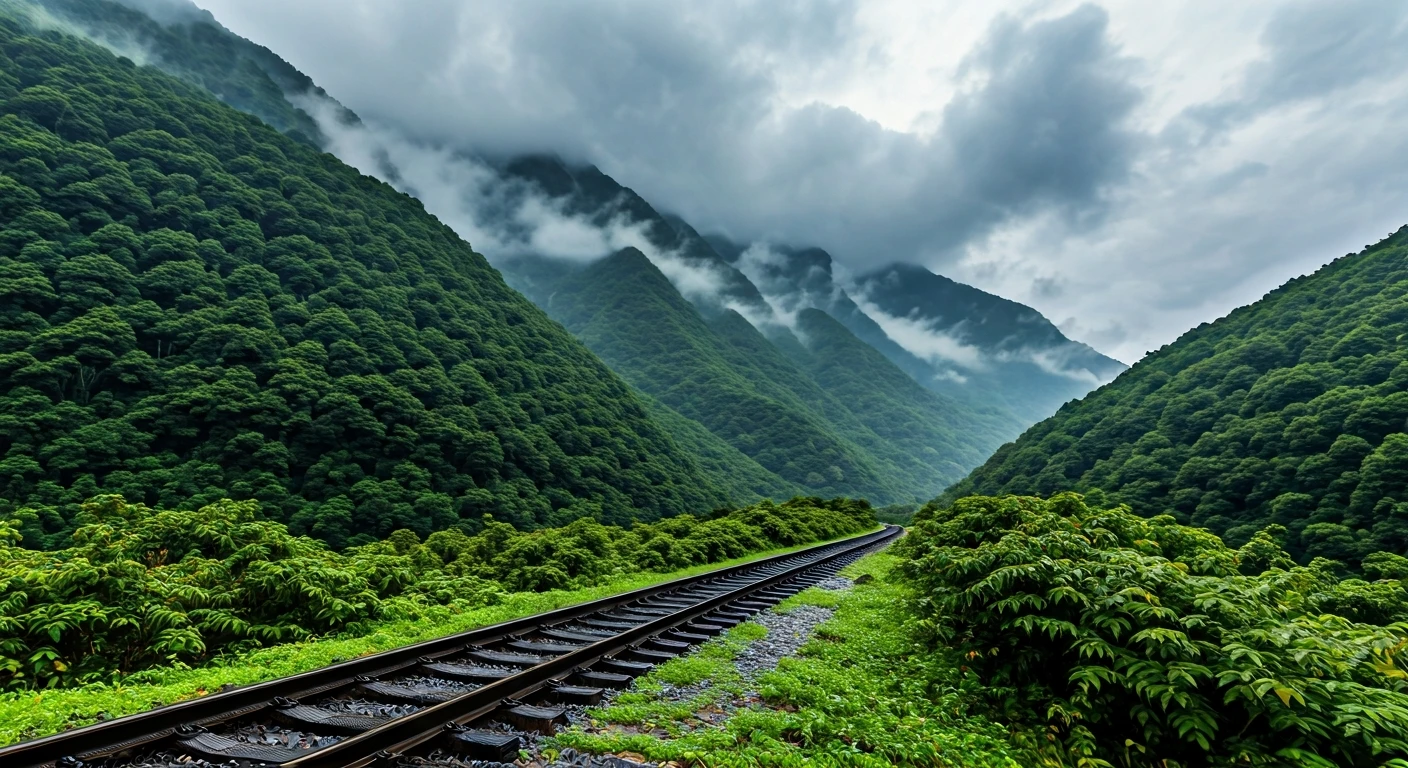
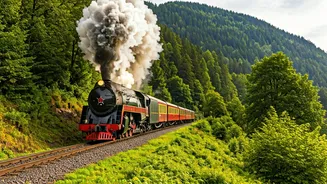
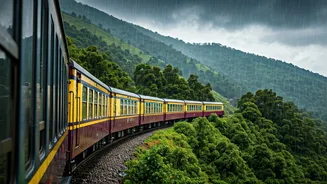
track of the Darjeeling Himalayan Railway (DHR) begins its patient, winding ascent into the clouds. The 'Toy Train', as it is affectionately known, is less a mode of transport and more a moving theatre. As it chugs through the outskirts of the city, the urban sounds give way to the rhythms of the countryside, a prelude to the drama of the mountains ahead. The monsoon transforms this daily ritual into something magical. Rain-washed leaves gleam in a hundred shades of green, temporary waterfalls cascade down hillsides, and the air is thick with the smell of wet earth and coal smoke. It’s an immersive, multi-sensory experience that demands you slow down and simply watch the world go by.
A Legacy on Narrow Gauge
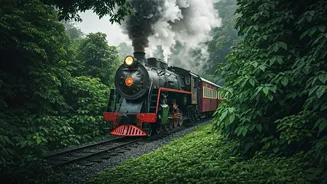
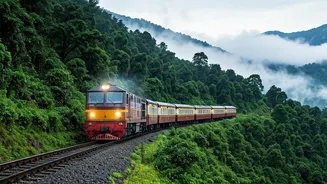
This captivating experience is steeped in history. Built between 1879 and 1881, the DHR is a marvel of 19th-century engineering. It was created to tackle the formidable challenge of transporting people and goods, primarily tea, across the steep mountain terrain. The railway's ingenious system of loops and zig-zags, like the famous Batasia Loop, allows the tiny engine to gain altitude steadily, creating breathtaking vistas along the way. Its historical and cultural significance was officially recognised in 1999 when UNESCO declared it a World Heritage Site, one of the first railways in the world to receive the honour. Today, while modern diesel locomotives handle many of the services, the romance of the original B-Class steam engines still draws enthusiasts from around the globe, all eager to ride a piece of living history. This heritage is the foundation of the 'vibe'; it’s a journey that connects the present to a colonial past, all while chugging along at a refreshingly unhurried pace.
Monsoon Magic: The Hills Come Alive
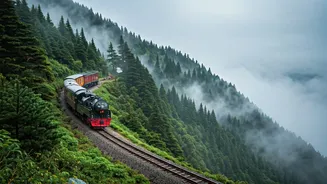
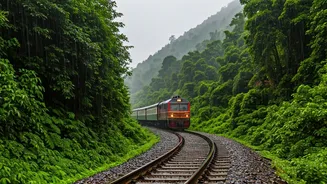
While some may advise against travel during the rainy season, for the DHR, the monsoon is arguably its most atmospheric act. The journey from Siliguri towards Darjeeling becomes a passage through a dreamscape. Clouds and mist envelop the train, at times obscuring the view only to part dramatically, revealing a panorama of verdant tea gardens clinging to the slopes. The Kanchenjunga might be hidden behind the monsoon clouds, but the landscape offers a different kind of beauty. The train passes so close to villages and markets that it feels like you're part of the local life, waving to children and watching daily routines unfold just inches from your window. This intimacy is a core part of its charm. The steady rhythm of the wheels, the haunting sound of the whistle echoing through the valleys, and the cool, damp air create a cozy, almost meditative state. It is a slow, deliberate immersion in nature at its most lush and dramatic.
From Window Seat to Instagram Feed
The phrase "entered the chat" perfectly captures how this century-old experience has found a new resonance in the digital age. In a world saturated with fleeting content and a relentless demand for the 'new', the Toy Train offers something timeless and authentic. The slow speed of the journey is practically designed for capturing stunning videos and photos. A quick search online reveals countless reels and posts: a hand reaching out of a window to touch a rain-soaked leaf, the mesmerizing motion of the steam engine, the train snaking through a bustling hill town. This isn't a manufactured trend; it's the digital world catching up to a classic travel experience that has always been this beautiful. It speaks to a growing desire for 'slow travel'—journeys that are meaningful, connected, and deeply experiential rather than just a checklist of sights.