


1. Flax Seeds (Alsi)
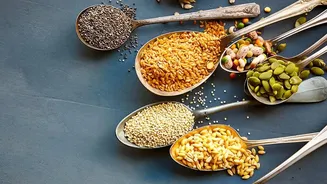
Flax seeds are a powerhouse of alpha-linolenic acid (ALA), a plant-based omega-3 fatty acid, and lignans, which are antioxidants that can improve insulin sensitivity. Their most significant benefit for diabetes management comes from their high fibre content.
This fibre, particularly a soluble type that forms a gel, slows down digestion and the absorption of sugar into the bloodstream, preventing sharp glucose spikes after meals. Studies have shown that regular consumption can lead to lower fasting blood sugar levels. Preparation is key for flax seeds. To unlock their nutrients, they must be ground. You can lightly dry roast them on low heat for a few minutes to enhance their nutty flavour before grinding. Soaking ground flaxseed in water or adding it to wet breakfast items like oatmeal allows its soluble fibre to form a gel, which enhances its ability to slow digestion. A daily spoonful sprinkled over yogurt, daliya, or blended into a smoothie is a great way to incorporate it.
2. Chia Seeds
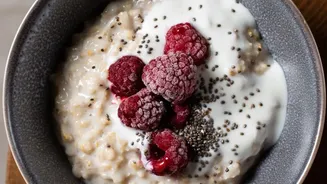
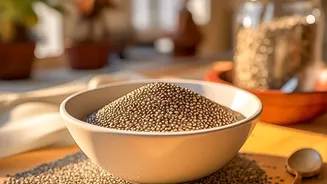
Like flax, chia seeds are celebrated for their incredibly high soluble fibre content. When mixed with liquid, they form a thick gel. This process slows down the conversion of carbohydrates to sugar, helping to maintain stable blood glucose levels and promoting a feeling of fullness that aids in weight management—a key aspect of diabetes care. Chia seeds have a very low glycemic index, meaning they have a minimal impact on blood sugar. They are also rich in omega-3s, antioxidants, and magnesium, which supports insulin function. Soaking is the best way to prepare chia seeds. Eating them dry is not recommended as they absorb a lot of water. Soaking them overnight creates a pudding-like texture perfect for a breakfast bowl. You can also mix them into smoothies, curd, or use them as a topping for fruit bowls. Just one to two tablespoons a day is enough to reap their benefits.
3. Pumpkin Seeds (Kaddu Ke Beej)
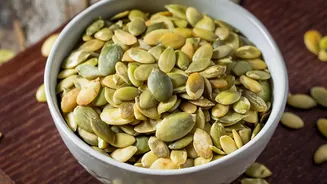
Pumpkin seeds are an excellent source of magnesium, a mineral that plays a vital role in regulating blood sugar levels and improving insulin sensitivity. Many people with type 2 diabetes have low magnesium levels, making these seeds a particularly valuable addition to their diet. They are also rich in healthy fats, protein, and fibre, which work together to slow down digestion and prevent post-meal glucose spikes. Roasting is a popular and effective way to enjoy pumpkin seeds. A light, dry roast brings out their flavour and creates a satisfyingly crunchy snack. You can sprinkle roasted pumpkin seeds over poha, upma, or enjoy a small handful as a mid-morning snack. Soaking is less common but can help make their nutrients more bioavailable by reducing phytic acid.
4. Sunflower Seeds
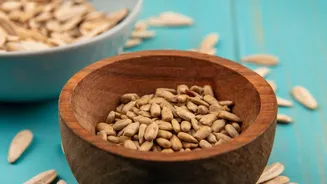
Sunflower seeds are packed with Vitamin E, healthy fats, protein, and fibre. Their low glycemic index and high fat and protein content mean they are digested slowly, providing sustained energy without causing a rapid rise in blood sugar. Studies suggest that compounds in sunflower seeds, like chlorogenic acid, may directly help in lowering blood sugar. The magnesium in these seeds also contributes to better blood pressure and glucose control. Lightly roasting sunflower seeds is the preferred method. This can be done in a dry pan over low heat to enhance their taste while protecting their healthy unsaturated fats from damage. Avoid heavily salted varieties to keep sodium intake in check. You can add a tablespoon of roasted sunflower seeds to salads, trail mixes, or sprinkle them over a bowl of oats for added texture and nutrients.
5. Sesame Seeds (Til)
A staple in Indian kitchens, sesame seeds offer significant benefits for blood sugar management. They are a good source of protein, healthy fats, magnesium, and unique plant compounds called lignans that may improve insulin sensitivity. The fibre and healthy fats in sesame seeds help slow down carbohydrate absorption, preventing sharp increases in blood sugar after a meal. Some studies have shown that regular consumption can help lower fasting blood sugar and HbA1c levels. Both soaking and roasting are great options. Roasting brings out a rich, nutty flavour and is perfect for sprinkling over dishes. Soaking can help reduce the natural phytic acid content, potentially making minerals more available for absorption. You can add roasted sesame seeds to porridges, yogurt, or even use them in the tempering for savoury breakfasts like poha or upma.