





The Logistics and Supply Chain Maze
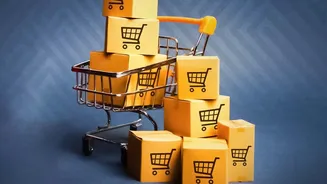
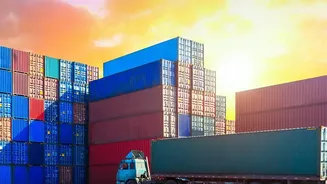
Every festive purchase, whether made online or in-store, triggers a massive logistical operation. The entire supply chain network experiences a shock as order volumes multiply overnight. Companies prepare months in advance, forecasting demand, hiring
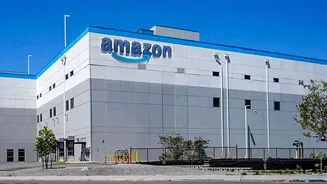
for warehouses, and securing carrier contracts to manage the surge. This period becomes the ultimate stress test for India's logistics network, demanding a rapid operational overhaul to double capacity almost instantly. The increased demand for transportation often leads to congestion at ports and terminals as businesses rush to meet deadlines. Technology plays a crucial role, with AI-based demand forecasting and machine-learning route planners helping to lower drive times and provide end-to-end visibility on shipments. This immense pressure creates a significant number of temporary jobs in warehousing, sorting, and last-mile delivery.
The Temporary Workforce and Gig Economy
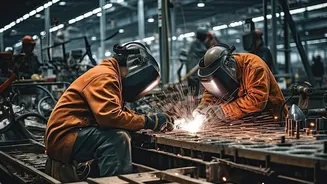
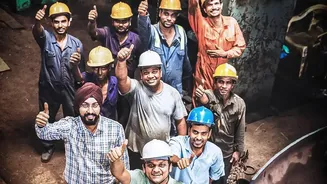
To handle the spike in demand, businesses across sectors embark on a massive hiring spree. Staffing firms project the creation of 250,000 to 270,000 temporary and gig jobs during the 2026 festive season alone, a growth of 15-20% year-on-year. This surge in hiring is led by e-commerce, logistics, quick commerce, and organised retail. A significant portion of this demand now comes from Tier-II and Tier-III cities, which are expected to account for around 45% of the new workforce requirements. This temporary employment boom provides crucial income opportunities and is increasingly seen as a pathway to longer-term roles, with some estimates suggesting nearly a quarter of festive hires may transition into permanent positions. The competition for talent also drives up wages, with temporary workers in metro areas potentially seeing a 12-15% pay increase.
Digital Payments and Fintech
The festive season is a bonanza for the digital payments sector. As millions of consumers shop, gift, and travel, the volume of digital transactions skyrockets. Digital payments, including e-wallets and UPI, have become the preferred payment method for a large segment of Indian consumers, especially younger demographics. This trend extends beyond peer-to-peer transfers, with significant inroads being made in merchant payments for even low-value transactions. The increased transaction volume makes the festive period a critical time for fintech companies and banks, who work to ensure their platforms can handle the load while also promoting secure payment practices to protect consumers from fraud.
Travel, Tourism, and Hospitality
Festivals are a prime time for travel, whether it's people returning to their hometowns or taking leisure trips. This drives a significant boom for the airline, hotel, and broader hospitality industries. Hotels report a sharp increase in booking volumes, with some platforms seeing festive bookings running nearly four times higher than in the previous year. This demand surge allows hotels to command higher room rates, with prices during Diwali and New Year potentially rising by 30-40% compared to regular dates. The trend is also shifting towards 'smart luxury', with travellers opting for premium accommodation, boutique hotels, and unique experiences. This travel boom extends beyond major holidays, with the entire September to November window emerging as a second major travel season after summer.
Corporate Gifting and Local Artisans
Beyond individual shopping, the corporate world participates heavily in the festive economy through corporate gifting. Companies purchase everything from sweets and dry fruits to electronics and gift vouchers for employees and clients. This creates a parallel ecosystem of B2B suppliers, manufacturers, and customisation services. While large corporations drive a significant portion of this demand, it also provides a vital boost to small and medium-sized enterprises (SMEs) and local artisans who specialise in traditional sweets, handicrafts, and other gift items. This segment of the economy, though less visible, represents a substantial flow of capital and supports livelihoods across the country, reinforcing the festive season's role as a broad-based economic driver.