







The Rise of a Eurasian Haven
For years, the digital nomad trail was well-trodden: Bali, Chiang Mai, Lisbon. But a new contender has emerged, quietly capturing the hearts of remote workers seeking something different. Tbilisi, the capital of Georgia, offers a compelling blend of affordability,
rich history, and a refreshingly liberal approach to visitors. Situated at the crossroads of Europe and Asia, it provides a unique cultural experience that feels both exotic and familiar. The city's stunning architecture, a mix of medieval, neoclassical, and Soviet-era buildings, provides a dramatic backdrop for a modern-day work-life experiment. Furthermore, Georgia's government has actively courted remote workers with programmes like 'Remotely from Georgia', simplifying the process for long-term stays and signalling a warm welcome to the global workforce.
A Culture Built on Coffee and Wi-Fi
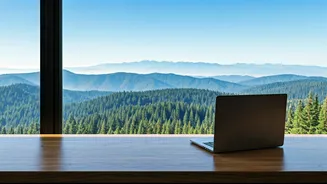
The backbone of any digital nomad hotspot is its cafe scene, and Tbilisi delivers in spades. Forget sterile co-working spaces; here, the office is often a cozy cafe with worn wooden floors, mismatched furniture, and the irresistible aroma of freshly brewed coffee. From the chic haunts in the Vake district to the hidden gems in the Old Town's winding alleys, there’s a spot for every mood. These aren't just places to get a caffeine fix; they are community hubs. Reliable, high-speed Wi-Fi is practically a given, and owners are accustomed to patrons settling in for hours with their laptops. Many cafes offer stunning views of the Narikala Fortress or the distant mountains, turning a routine workday into a genuinely inspiring experience.
What 'Pocket-Friendly' Really Means
The term 'pocket-friendly' is often thrown around, but in Tbilisi, it holds true. For many Indians, the cost of living is a pleasant surprise. A delicious cappuccino that might cost ₹300 in a Mumbai or Bengaluru cafe can be found for under ₹150. A filling lunch, perhaps featuring the iconic cheese-filled bread Khachapuri, can be had for less than ₹400. Monthly rent for a modern apartment in a central neighbourhood is often significantly cheaper than in major Indian metros. This financial breathing room is a major draw. It allows nomads to not just survive but thrive—investing more in their businesses, saving for the future, or simply enjoying the local culture, from world-class wine to vibrant nightlife, without constantly worrying about their budget.
Life Beyond the Laptop Screen
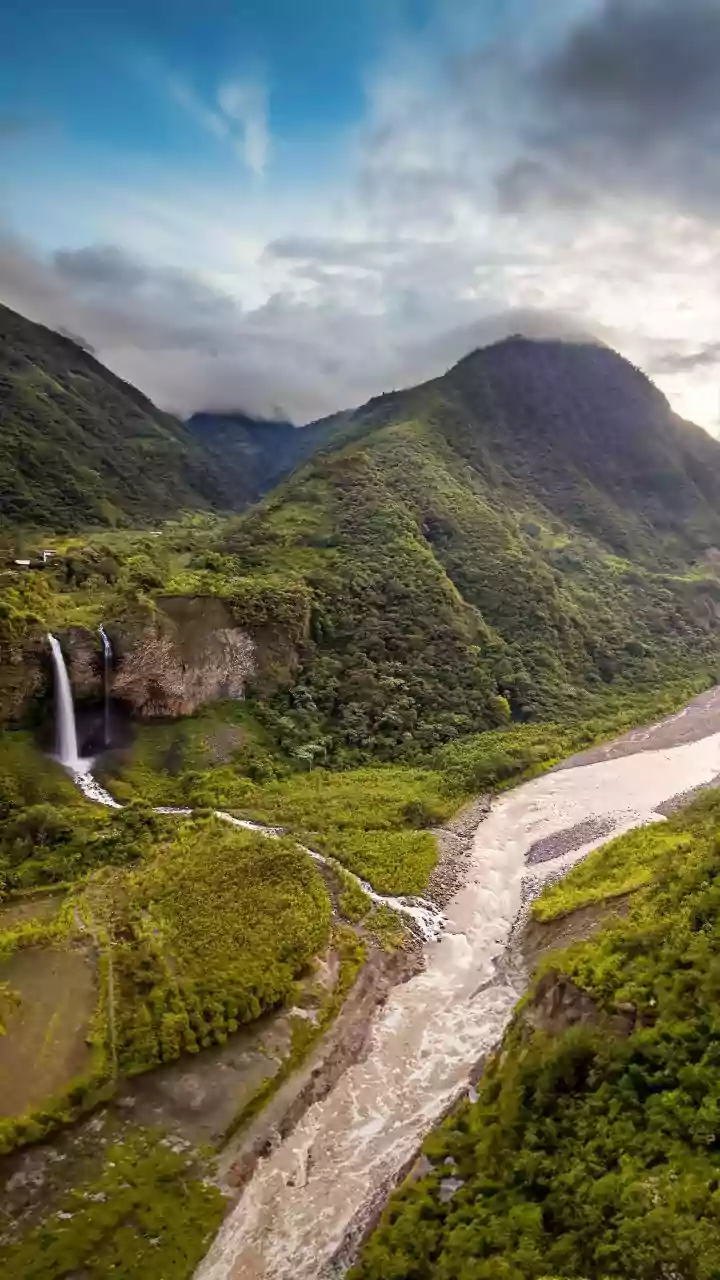
While affordable cafes are the hook, it's the quality of life that makes people stay. Tbilisi is a city that rewards exploration. On weekends, nomads trade their laptops for hiking boots. The Caucasus Mountains, with their breathtaking trails and ancient villages, are just a few hours' drive away. The city itself is a treasure trove of activities, from bathing in the historic sulphur baths of Abanotubani to exploring the sprawling Dezerter Bazaar. The Georgian food and wine culture is a universe in itself, deeply rooted in tradition and hospitality. This balance of productive workdays and adventurous weekends is the core of the Tbilisi promise—a lifestyle that is both enriching and sustainable.