



Trend 1: Batch Cooking
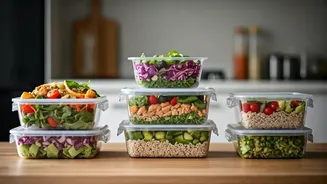
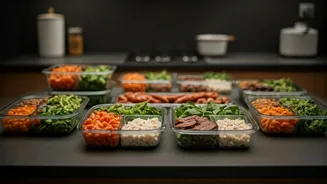
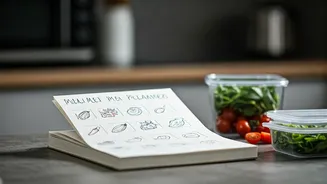
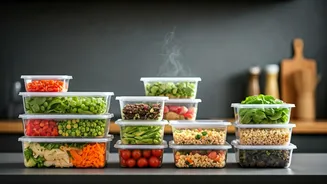
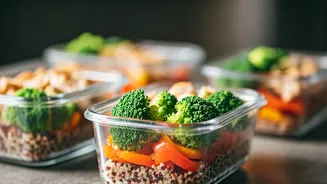
Batch cooking is the undisputed king of meal prep. The concept is simple: instead of cooking a new meal every night, you cook large quantities of one or two main dishes on the weekend to be eaten over the next few days. Think a big pot of rajma, a versatile
chicken curry, or a large tray of roasted vegetables. The appeal is obvious: it dramatically cuts down on daily cooking and cleaning time. After a long day at work, dinner is as simple as reheating a portion. This method is particularly popular because it reduces decision fatigue—the dreaded 'What's for dinner?' question is already answered. It’s a game-changer for busy professionals and families alike, ensuring a home-cooked meal is always on hand without the daily effort.
Trend 2: Ingredient Prep
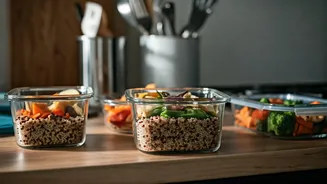
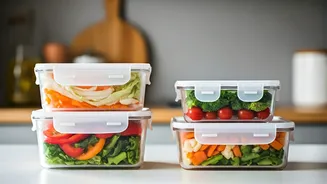
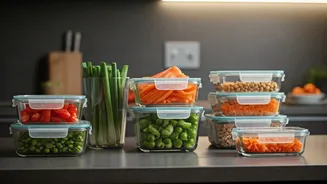
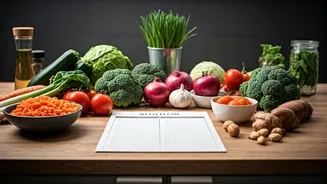
If cooking an entire week's worth of meals feels too restrictive, ingredient prep might be your answer. This trend focuses on preparing the components of meals rather than the finished dishes. On a Sunday afternoon, you might wash and chop all your vegetables, marinate your proteins, cook a large batch of rice or quinoa, and mix a few salad dressings. When it’s time to cook on a weekday, most of the work is already done. You can quickly stir-fry the pre-chopped veggies and marinated paneer, or assemble a grain bowl in minutes. This approach offers more flexibility than batch cooking, allowing you to create different meals from the same set of prepped ingredients, preventing flavour fatigue while still saving significant time.
Trend 3: The Rise of 'Flavor Bombs'
This is a pro-level trick that has gone mainstream thanks to social media. 'Flavor bombs' are concentrated cubes of flavour that you can freeze and drop into a pan to kick-start a meal. Think of freezing garlic-ginger paste, caramelized onions, or a blend of fresh herbs in olive oil in an ice cube tray. When you’re ready to cook, you just pop one or two cubes into a hot pan. This hack eliminates the most tedious parts of cooking—peeling, chopping, and sautéing aromatics—and infuses your food with deep, developed flavour in seconds. It’s an ingenious way to elevate simple dishes like dal, sabzi, or soups with minimal effort, making your weekday meals taste like they took hours to prepare.
Trend 4: Strategic Freezing
The freezer is your best friend in the world of smart food prep, and social media is full of ideas that go beyond just storing leftovers. People are now 'flash freezing' individual items before bagging them up. For example, by freezing berries or chopped bananas on a flat tray before transferring them to a bag, you prevent them from clumping into a solid block. This makes it easy to grab a handful for a smoothie. The same principle applies to everything from uncooked kebabs and parathas to individual portions of cooked dal. By freezing items in ready-to-use portions, you reduce food waste and make future meals incredibly convenient. It’s a simple shift in habit that pays huge dividends in efficiency.
Trend 5: No-Cook Meal Jars
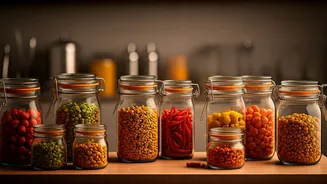
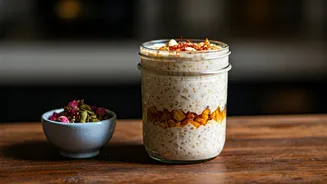
For lunches and breakfasts, the no-cook meal jar is a viral sensation for a reason. The most famous example is the salad jar: dressing goes on the bottom, followed by hard vegetables (like carrots and cucumbers), then grains or proteins, and finally leafy greens on top. This layering keeps the salad from getting soggy. Another popular version is overnight oats, where oats, milk, seeds, and fruit are combined in a jar the night before, creating a grab-and-go breakfast. These jars are visually appealing, perfectly portioned, and incredibly portable, making them ideal for office lunches or quick morning meals. They combine health, convenience, and aesthetics—the holy trinity of a successful social media food trend.