






A Day in 90 Minutes
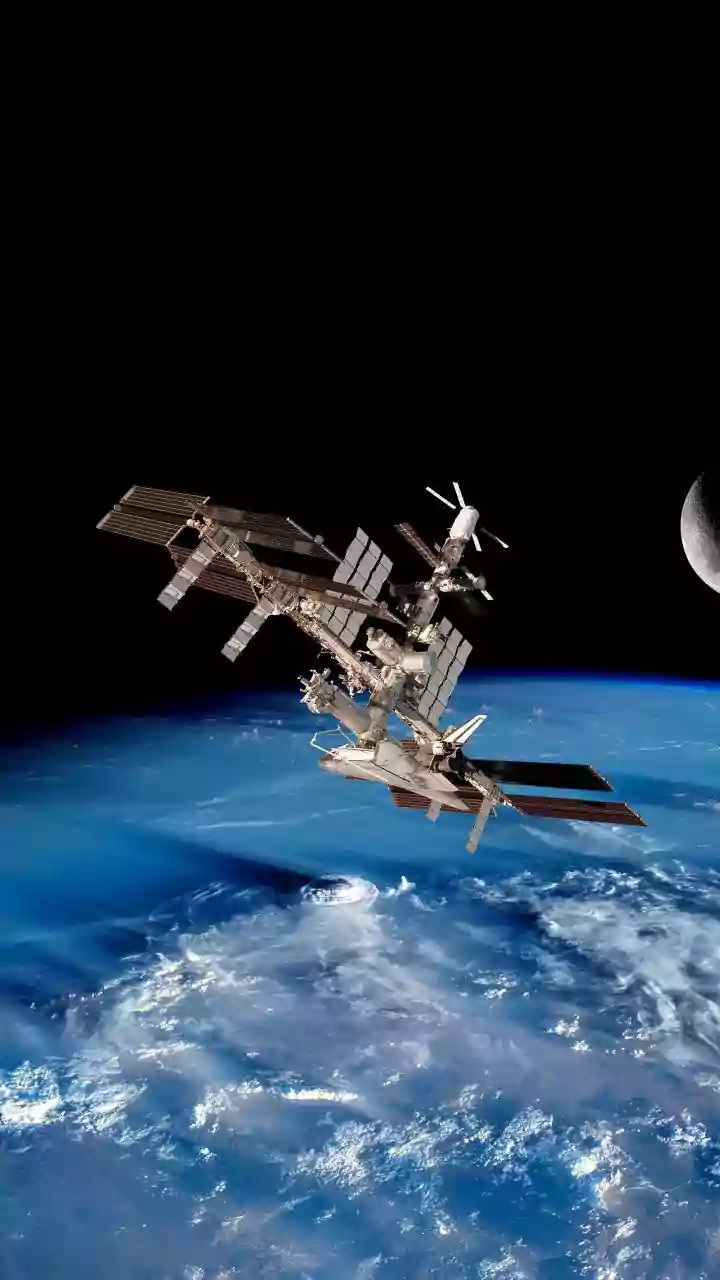
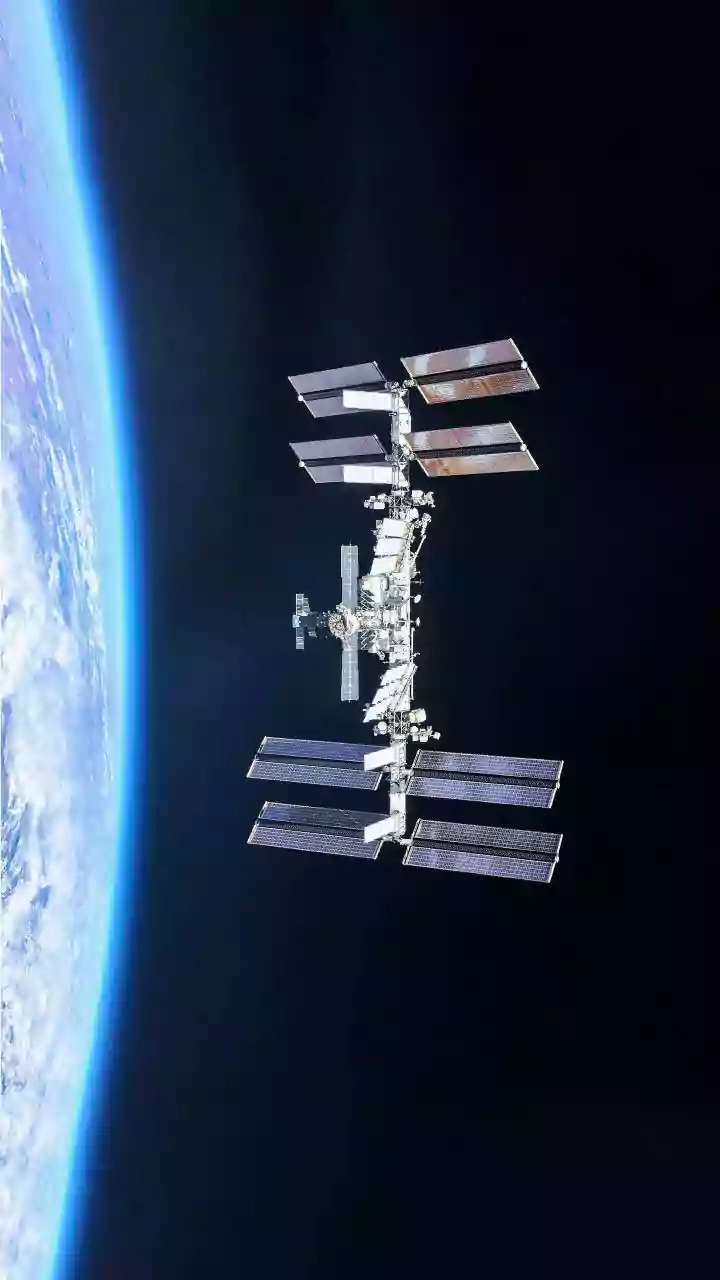
The core of this fascinating fact lies in the incredible speed and altitude of the International Space Station (ISS). The station hurtles through low-Earth orbit at a staggering 28,000 kilometres per hour (about 7.66 km per second). At this velocity,
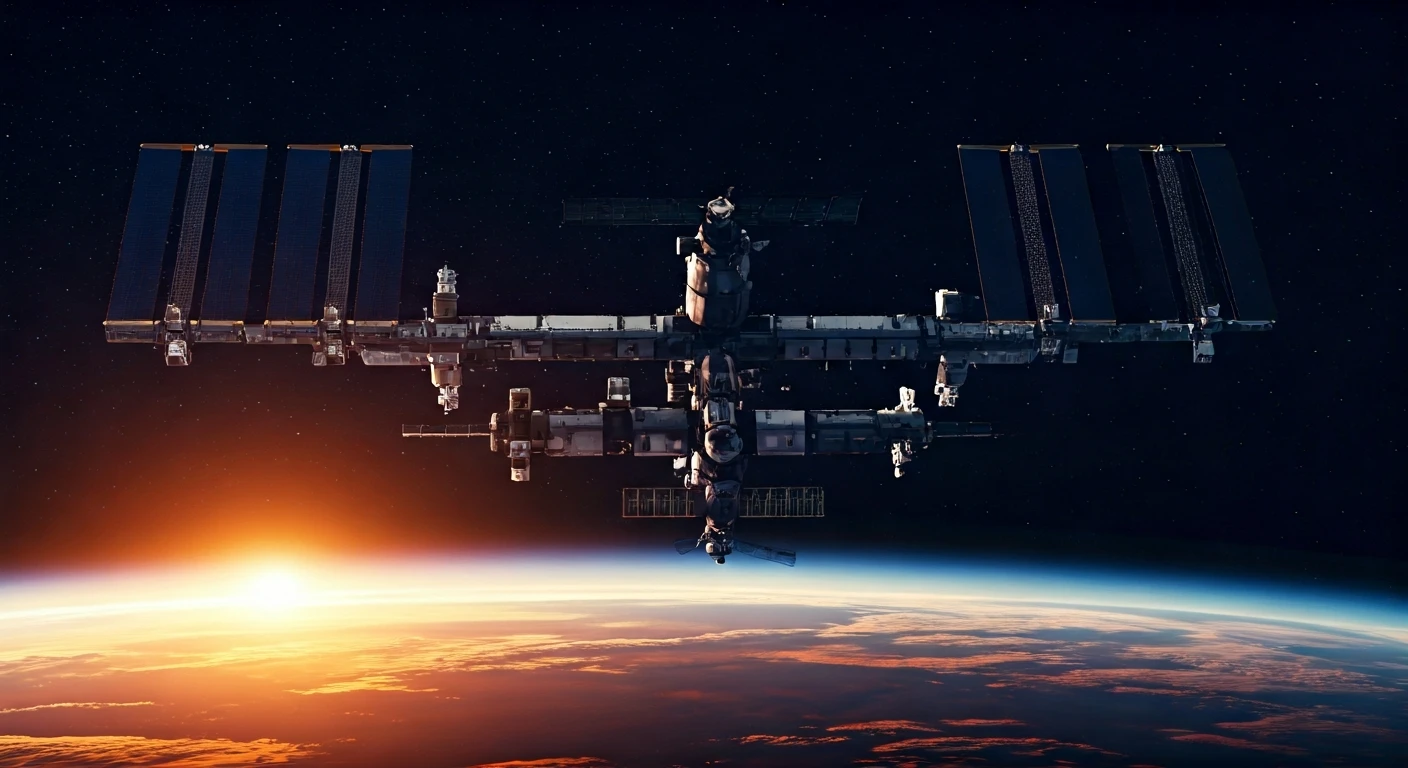
it completes a full circle around our planet roughly every 90 to 93 minutes. As a result, the crew passes from the sunlit side of Earth to the shadowed side and back again, witnessing a spectacular sunrise or sunset approximately every 45 minutes. This relentless cycle adds up to about 16 dawns and 16 dusks within a single 24-hour period, a reality that astronauts like Sunita Williams have often described with a sense of wonder.
The Science of Orbital Speed
This isn't a random occurrence; it's a fundamental principle of orbital mechanics. To stay in orbit and counteract Earth's gravitational pull, the ISS must maintain its immense horizontal speed. Think of it as constantly falling toward Earth but moving so fast sideways that it continually misses. This trajectory keeps it at an altitude of about 400 kilometres. Because the station is so close to Earth (relatively speaking), its journey into and out of the planet's shadow is swift and dramatic. From the station's Cupola observatory module, the entire event of a sunrise, from the first sliver of light to full day, can last less than a minute. It's a stark contrast to the slow, drawn-out sunrises we experience on the ground.
Experiencing the Ultimate Jet Lag
While visually stunning, experiencing 16 sunrises a day poses a significant biological challenge. The human body is hard-wired to a 24-hour cycle, known as the circadian rhythm, which is primarily regulated by light. This internal clock tells us when to sleep, wake up, and eat. Bombarding it with 16 cycles of light and dark throws it into a state of confusion, leading to what can be described as the ultimate form of jet lag. Studies and astronaut reports confirm that this disruption can lead to poor sleep quality, fatigue, and performance impairment. Astronauts on the ISS often average only about six hours of sleep per day, despite being scheduled for eight, and the use of sleep medication is common.
How to Create a 'Day' in Space
To combat this biological confusion, space agencies have developed clever solutions to create a sense of normalcy. The ISS operates on a fixed schedule based on Coordinated Universal Time (UTC), which helps keep the crew synchronised with ground control. They have designated wake-up and bedtime routines. The station's windows have shutters to block out the frequent sunrises during sleep periods. Furthermore, the interior lighting system has been upgraded to a special set of LEDs. These lights can change their colour temperature throughout the day—shifting to a blue-tinted, more intense light during the 'morning' and 'workday' to promote alertness, and transitioning to a warmer, reddish, and dimmer light in the 'evening' to help the brain produce melatonin and prepare for sleep.
Life on a 90-Minute Clock
Living in orbit means life is dictated by this 90-minute orbital period. It’s not just about sleep; everything from scientific experiments to spacewalks is choreographed around these short windows of daylight and darkness. Earth-observation instruments have 45-minute windows to capture images, while the station's massive solar arrays generate power in the light and rely on batteries during the 35-minute passes through Earth's shadow. Astronauts must also adapt to other physical challenges, like strapping themselves into sleeping bags to avoid floating away and exercising daily to counter muscle and bone loss in microgravity. It's a constant process of adaptation to an environment profoundly different from the one humanity evolved in.