

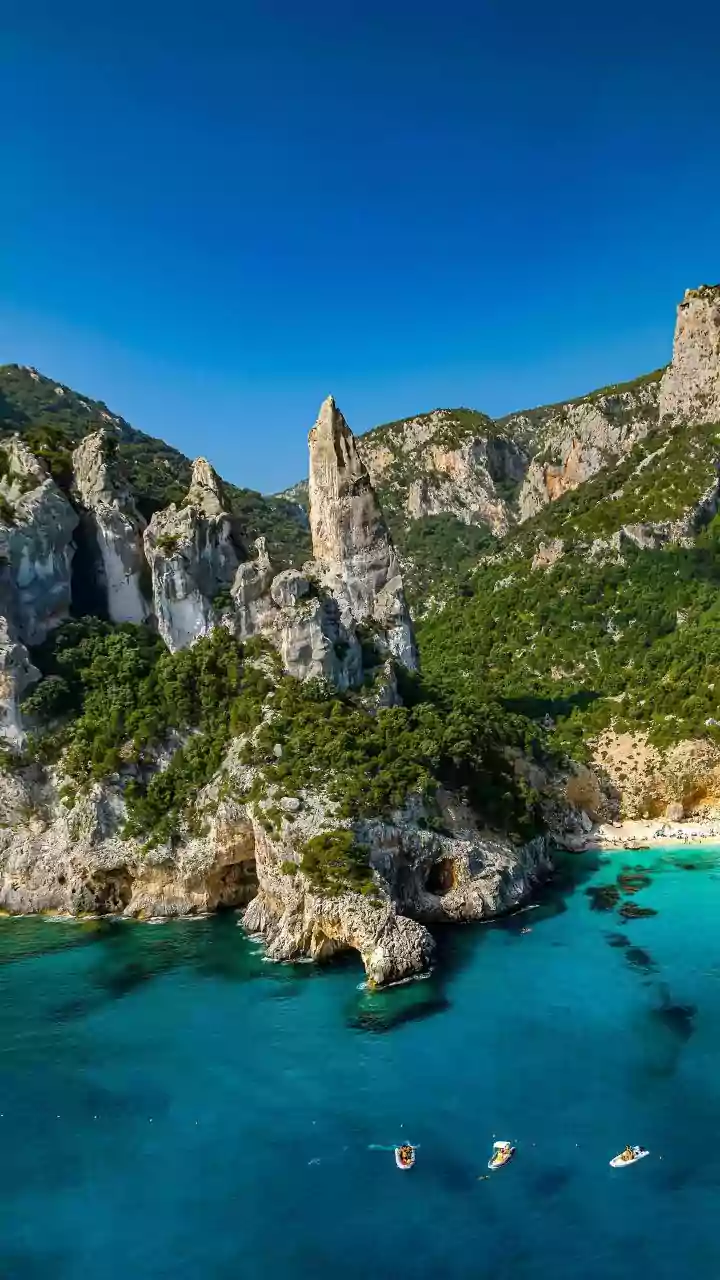




The 'Shoulder Season' Sweet Spot
For Greece, the travel sweet spot isn't the blistering, crowded peak of summer. Instead, it's the 'shoulder seasons'—specifically late spring (May to June) and early autumn (September to mid-October). September, in particular, offers a perfect blend:
the intense heat of August softens into warm, comfortable days, while the sea retains the warmth it has soaked up all summer, making it ideal for swimming. Air temperatures across many islands in early October average a pleasant 22–25°C. This period strikes a beautiful balance, delivering the sunshine you crave without the overwhelming crowds and prices of July and August. It's a time when the country exhales, returning to a more relaxed rhythm.
The Joy of Authentic Encounters
Fewer crowds mean more than just extra space on the sand. It translates to a fundamentally different, more authentic travel experience. You can wander the whitewashed lanes of a village without being jostled, find a table at the most sought-after seaside taverna without a reservation, and watch the sunset from a famous viewpoint without a forest of selfie sticks blocking your view. The locals, too, are more relaxed after the frenzy of peak season, leading to warmer, more genuine interactions. This quieter atmosphere allows you to connect more deeply with the island's rhythm, transforming your holiday from a hectic tour into a restorative retreat.
Spotlight on Serene Escapes
While Santorini and Mykonos are beautiful, their fame brings year-round visitors. For true tranquility, the shoulder season is the time to explore Greece's quieter gems. Consider islands like Folegandros, with its dramatic clifftop main town, or Amorgos, a rugged haven known for its hiking trails and timeless villages. Naxos offers superb beaches and a laid-back feel, while Tinos is a hub of authentic culture and beautiful marble villages just a short ferry ride from Mykonos. For those seeking to get even further off the beaten path, islands like Serifos, Karpathos, and Kythnos provide a glimpse into a slower, more traditional way of Greek life, where the main attractions are hidden coves and charming local life.
Beyond the Beach: Other Perks
The benefits of a shoulder-season visit extend beyond peace and quiet. This period often brings significant savings, with prices for flights, accommodation, and even car rentals dropping after the summer peak. This makes your travel budget stretch further, perhaps allowing for a longer stay or more splurges on local food and experiences. Autumn is also harvest season in Greece, providing a fantastic opportunity for food and wine lovers to sample freshly pressed olive oil and local vintages, often straight from the source. Cultural sites like the Acropolis in Athens or the Palace of Knossos in Crete are also far more enjoyable to explore without the intense heat and long queues of summer.
A Few Things to Keep in Mind
While an autumn visit is highly rewarding, it requires a bit of planning. As October progresses, the weather can become less predictable, with a higher chance of rain, especially in the western Ionian islands. Ferry schedules also become less frequent, with many high-speed catamaran services reducing their timetables or stopping entirely by the end of the month. On smaller, more seasonal islands, some hotels, restaurants, and tour operators may begin to close for the winter. To be safe, it's best to aim for September or early October. If travelling later in the month, stick to larger islands with year-round populations like Crete, Rhodes, or Naxos, where services remain open.