



The Problem with Moon Dust
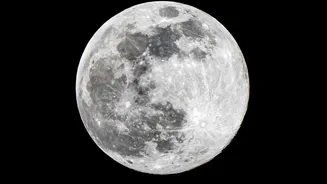
Lunar dust, or regolith, is unlike anything on Earth. For billions of years, the Moon's surface has been bombarded by micrometeorites without the protection of an atmosphere. This process has pulverized the rock into tiny, jagged particles that are as sharp
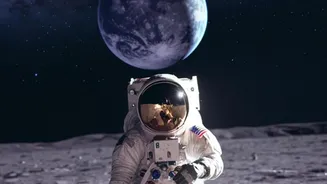
as broken glass. During the Apollo missions, astronauts discovered just how troublesome it is. Electrostatically charged by solar radiation, the dust clings to everything it touches—spacesuits, tools, and visors. Astronauts reported that it caused their joints to seize, seals to fail, and even scratched their equipment. When brought inside the lunar module, it caused what they dubbed "lunar hay fever," triggering eye, skin, and respiratory irritation. This abrasive, pervasive dust is now considered a major hazard for the long-duration Artemis missions.
Recreating the Moon on Earth
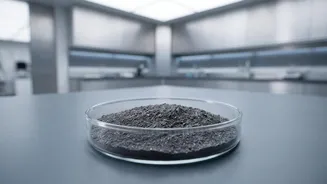
To safely test solutions, you first need a good stand-in for the problem. Since the supply of actual moon dust brought back by Apollo missions is extremely limited and precious, NASA has become an expert at creating fakes. At facilities like the Simulant Development Lab at the Kennedy Space Center, engineers and geologists create various types of lunar regolith simulants. These are not just simple powders; they are carefully engineered materials designed to mimic the specific physical, chemical, and mechanical properties of moon dust from different lunar regions, such as the highlands or the volcanic plains known as maria. With over 30 metric tons of this simulated dust, NASA can conduct extensive testing without depleting its priceless lunar samples.
Blasting Dust for Science
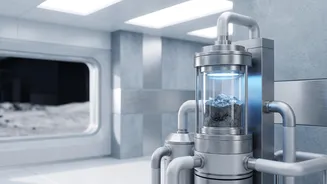
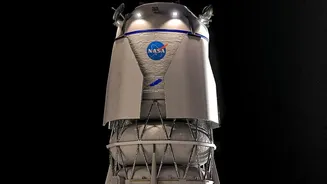
One of the most critical phases of any lunar mission is the landing. The powerful exhaust from a lander's rocket engine kicks up a massive cloud of high-velocity dust and rock. This isn't just a visibility issue; the sandblasting effect can severely damage the lander itself or any nearby equipment, like a future lunar base or science experiments. To understand this better, a team at NASA's Langley Research Center has initiated a series of Plume-Surface Interaction tests. Inside a giant 60-foot spherical vacuum chamber, they fire rocket engines at beds of lunar simulant to precisely measure how the dust is disturbed. The data collected helps researchers create better predictive models, which are crucial for designing landers that can touch down without causing catastrophic damage.
Designing Smarter, Safer Hardware
The data gathered from these tests directly informs the design of next-generation hardware. For landers, this might mean altering the height of engines, changing the thrust profile during the final seconds of descent, or developing deployable landing pads made from sintered regolith. But mitigation goes beyond just landing. NASA is testing numerous technologies to combat dust adherence. One promising solution is the Electrodynamic Dust Shield (EDS), a transparent film that can be embedded into surfaces like solar panels, camera lenses, and even spacesuit fabrics. It uses an electric field to actively repel and clear dust particles, with tests showing it can remove over 98% of dust in seconds. Other innovations include specialized coatings, advanced airlocks, and even a tool that uses liquid nitrogen to blast dust off suits.
Beyond Landings: A Sustained Challenge
While securing safe landings is a top priority, the challenge of moon dust extends to every aspect of a long-term lunar presence. The abrasive particles can wear down spacesuits, clog mechanical joints in rovers, and cover solar panels, reducing power generation. Inhaling fine silicate particles over long periods could also pose chronic health risks to astronauts, similar to silicosis in miners on Earth. Therefore, facilities like the Lunar Development and Test Facility at Johnson Space Center are crucial, running hardware through simulated lunar conditions to ensure everything from a glove to a habitat seal is durable enough to withstand the relentless assault of dust. Understanding and conquering this gritty problem is fundamental to making the Artemis program's goal of a sustained human presence on the Moon a reality.