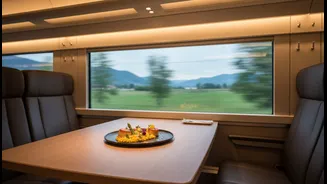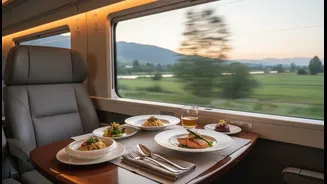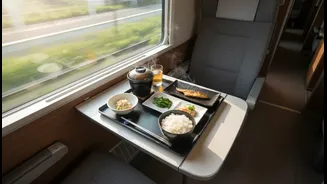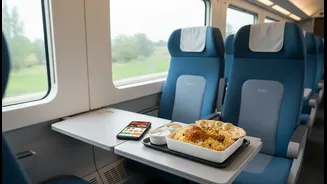








The Era of Risky Meals
For decades, food on Indian trains was a source of anxiety. Passengers on long-distance routes had two choices: carry bulky tiffin boxes from home or rely on what was available. The latter often meant the train's pantry car, a moving kitchen with a captive
audience and little incentive for quality. Complaints about cold, unhygienic, and overpriced food were common. Many trains didn't even have a pantry car, leaving travelers at the mercy of platform vendors during brief station halts—a frantic dash for food with no guarantee of quality or even making it back to your coach in time. This system was a gamble, where a decent meal felt like a rare win. Even as recently as July 2026, the Railway Ministry has had to issue warnings about poor hygiene and pest control in pantry cars, showing that old problems persist.
The Tech-Driven Turning Point
The change began when the Indian Railway Catering and Tourism Corporation (IRCTC), established in 1999, launched its e-catering service as a pilot project around 2014. This initiative was designed to professionalize railway catering by creating a structured system for ordering meals from private restaurants. Using their PNR (Passenger Name Record) number, travelers could now order food online to be delivered to their seat at a designated station. This simple but revolutionary idea broke the monopoly of the pantry car. It introduced choice, competition, and accountability into a system that had lacked all three. The growth was initially slow, with fewer than 150 meals booked in the first financial year, but it signaled a fundamental shift.
How It Actually Works
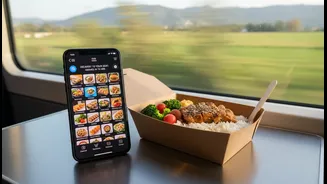
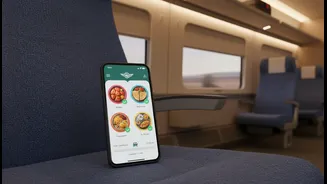
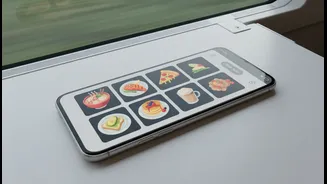
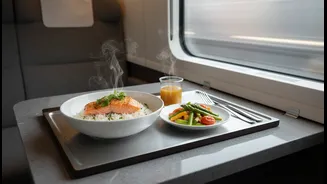
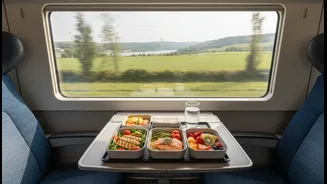
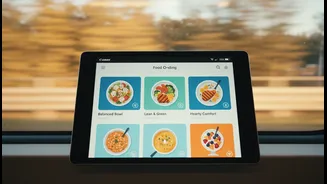
The logistics behind getting a hot biryani to seat 42 in coach S7 of a moving train are surprisingly streamlined. Passengers use an app or website from an aggregator like RailRestro, RailYatri, or even Zomato, enter their 10-digit PNR number, and choose an upcoming station for delivery. The system uses the PNR to verify the train, coach, and seat number. Once an order is placed, it is routed to a partner restaurant near the chosen station. The restaurant prepares the meal, and a delivery person brings it directly to the passenger's berth when the train halts. To make it even simpler, IRCTC and its partners have enabled ordering via WhatsApp, using chatbots and live agents to guide passengers through the process.
The 'Bigger Story' Unpacked
The rapid adoption of this service tells a larger story about Digital India. It's a prime example of how technology can solve long-standing infrastructure problems and improve public services. This ecosystem has empowered hundreds of local restaurants near railway stations, giving them access to a massive, transient customer base they could never previously reach. It has created a new category of gig economy jobs focused on last-mile delivery to a moving target. Major food-tech and travel-tech players like Zomato and MakeMyTrip have entered the space, integrating train food delivery into their platforms and bringing vast restaurant networks with them. What started as a solution to a passenger grievance has become a thriving marketplace, revolutionizing the travel experience by giving control back to the consumer. Passengers now have a wide variety of cuisines to choose from, including options for specific dietary needs, all from FSSAI-certified restaurants, which has massively improved trust in food safety.
From Niche Service to Mainstream Utility
Today, ordering food on a train is no longer a novelty; it's a utility. IRCTC's e-catering network serves hundreds of stations across India. The numbers show a dramatic ascent: from a daily average of around 7,000 meals in the 2021-22 fiscal year to a single-day record of over 50,000 orders by August 2022. Some reports in 2025 noted IRCTC's e-catering services were serving over 90,000 passengers daily. This growth is driven by the clear benefits: fresh, hot meals instead of reheated pantry food, transparent pricing, and unprecedented variety. For millions, the question is no longer if they can get good food on a train, but simply what they feel like eating.