




A Taste of Health and Heritage
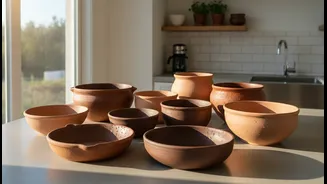
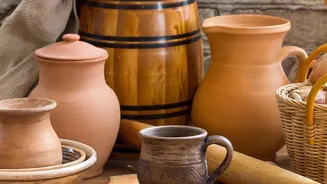
The return to clay, or mitti ke bartan, is more than just a fleeting trend; it's a conscious choice rooted in a desire for a healthier, more connected way of living. For many, the primary driver is health. Unlike some modern cookware that can come with
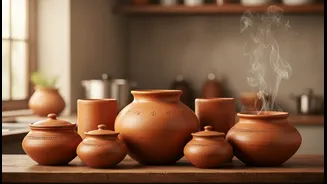
chemical coatings, unglazed clay pots are made from pure, natural earth. Proponents of earthen cooking point to a host of benefits. They argue that because clay is alkaline, it helps neutralize the acidity of foods like tomatoes and tamarind, potentially making meals easier to digest. The porous nature of clay allows for slow and even cooking, which helps retain the moisture in food, meaning less oil or fat is needed. This gentle cooking process is also believed to preserve more of the delicate vitamins and minerals that can be destroyed by high heat, resulting in more nutritious meals.
The Science of Flavour
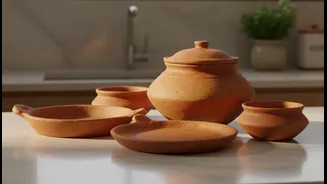
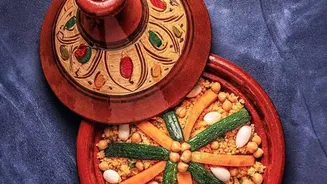
Anyone who has eaten biryani from a clay handi or sipped chai from a kulhad knows there’s a distinct difference in taste. This isn’t just nostalgia; it’s a result of how earthen pots work. The porous walls allow heat and steam to circulate evenly, cooking ingredients gently in their own juices. This process intensifies the natural flavours of spices, vegetables, and meats, creating a depth and richness that’s hard to replicate in metal pans. The pot itself imparts a subtle, earthy aroma that enhances the entire dish, transforming a simple dal or vegetable curry into something special. It’s this unique ability to elevate flavour that has chefs and home cooks alike turning back to this ancient technique. Food doesn't just get cooked; it gets infused with a character that speaks of the earth it came from.
From Village Craft to Urban Chic
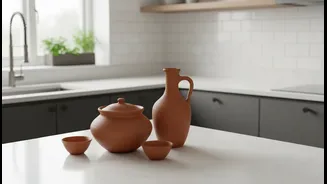
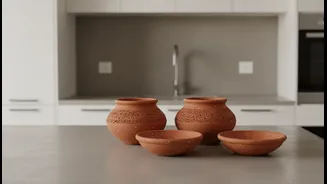
This revival isn't just happening in home kitchens; it's being powered by a new generation of artisans and entrepreneurs. While traditional pottery has always been a cornerstone of rural Indian craft, it's now being reimagined for a contemporary audience. Online marketplaces and boutique brands are making beautifully crafted, modern-looking clay cookware accessible to urban consumers. These companies are bridging the gap between village artisans and city dwellers, ensuring that this traditional craft not only survives but thrives. This new market is also driven by aesthetics. An earthy clay pot adds a touch of rustic elegance to a modern kitchen, aligning with the growing global interest in sustainable, handcrafted goods. It has become a statement piece, a symbol of mindful consumption and a connection to heritage.
A Practical Guide for the Modern Cook
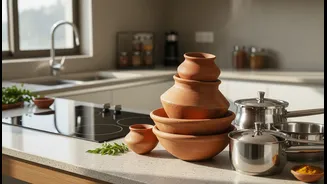
Adopting earthen cookware does require a slight shift in habits. These pots need a little care to ensure they last. Before the first use, a new clay pot must be seasoned, which typically involves soaking it in water for several hours to hydrate the clay. When it comes to cooking, the key is to go low and slow. Earthenware should always be placed on a low flame, with the heat increased gradually to prevent cracking from sudden temperature changes. Cleaning is also different. It's best to avoid harsh chemical soaps, as the porous clay can absorb them and impart a soapy taste to your food. Instead, warm water, a soft scrub, and natural cleaning agents like baking soda are all that’s needed to keep them in good condition.