




The Science of Monsoon Spoilage
During the monsoon, the moisture content in the air, or humidity, skyrockets. This damp environment is the perfect breeding ground for microscopic organisms like mould, yeast, and bacteria. These microbes need water to grow and multiply, and the humid air provides
it in abundance. Foods that are perfectly fine in drier weather suddenly become susceptible. The moisture in the air can be absorbed by dry goods like biscuits and chips, making them lose their crispness and go stale. For fresh produce and cooked food, the excess moisture on their surfaces accelerates decay, leading to the rapid appearance of fuzzy mould and unpleasant odours. This is why food spoilage becomes a much bigger challenge during the rainy season compared to other times of the year.
Protect Your Pantry Staples
Your dry goods are the first line of defense against monsoon moisture. Items like lentils, rice, flour, and spices are particularly vulnerable. The key is to store them in absolutely airtight containers. Plastic or glass jars with tight-fitting lids are far better than the bags they are sold in. Even the slightest exposure to damp air can cause spices to clump and lose their aroma, while flours and grains can attract weevils and other pests that thrive in humidity. For extra protection, consider placing a few dried bay leaves in your flour and rice containers; their natural compounds help deter pests. Before storing, you can also briefly sundry grains and pulses on a rare sunny day to remove any existing moisture.
Keep Fruits and Vegetables Fresh
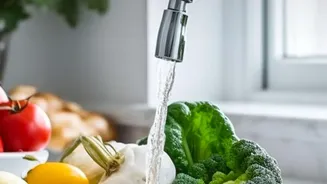
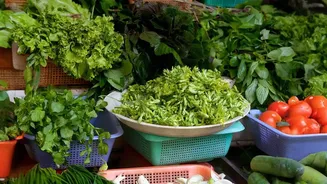
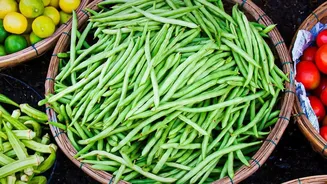
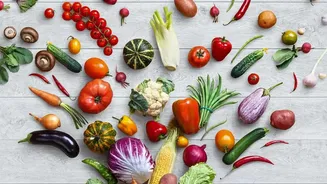
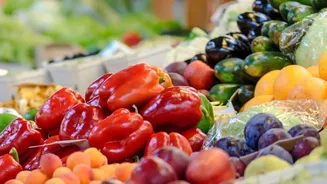
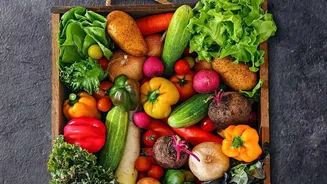
Fruits and vegetables have high water content, making them spoil quickly in humid weather. It's crucial to handle them correctly from the moment you bring them home. Wash all produce thoroughly and, most importantly, dry it completely before storage. Any lingering water droplets will encourage mould growth. Store them in the refrigerator, but don't overcrowd the drawers, as this can impede air circulation. For leafy greens, wrapping them in a paper towel before placing them in a bag can help absorb excess moisture. Avoid cutting fruits and vegetables until you are ready to eat them, as exposed surfaces are more prone to contamination. It’s also wise to buy fresh produce in smaller quantities more frequently during the monsoon to ensure you're always using it at its peak.
Master Your Fridge and Leftovers
Your refrigerator is an essential tool, but it needs to be managed correctly. First, ensure it is set to the right temperature, at or below 4°C, to slow down bacterial growth. Clean your fridge regularly, as spills and food particles can harbor mould. When it comes to leftovers, the rules are strict during the monsoon. Do not leave cooked food out at room temperature for more than an hour or two. The warm, humid conditions can cause bacteria to multiply rapidly. Store leftovers in clean, airtight containers and refrigerate them promptly. When reheating, make sure the food is heated until it is piping hot all the way through, as just warming it up can actually encourage more bacterial growth.
Smart Kitchen Habits for the Season
A few changes in your kitchen routine can make a big difference. Maintain good hygiene by washing your hands before and after handling food and keeping kitchen surfaces clean and dry. Use separate cutting boards for raw meat and vegetables to prevent cross-contamination. Good ventilation is also critical; use an exhaust fan while cooking to pull steam and moisture out of the kitchen. Finally, be cautious with fried snacks and bakery items. These foods can spoil quickly, so it's best to consume them fresh and avoid storing them for long periods. Street food, while tempting, carries a higher risk of contamination during this season, so choose vendors with high standards of hygiene.