
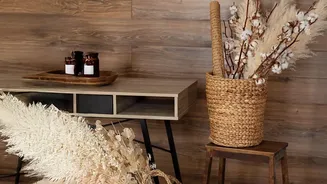

Why Monsoon Demands a Decor Rethink
The defining characteristic of the Indian monsoon isn't just the rain—it's the relentless, pervasive humidity. This high moisture content in the air is what makes the season so challenging for home interiors. Wood swells, causing doors and drawers to
jam. Upholstery feels perpetually damp and can develop musty odours. Metal accents can begin to rust, and walls may show signs of peeling paint or mould growth. This is why a simple aesthetic refresh isn't enough; the season demands a practical shift towards materials that can withstand this environment. The goal is to choose surfaces that are non-porous, quick to dry, and easy to clean, minimising the daily battle against dampness.
Flooring That Fights Back
Your floor is the largest surface in any room and bears the brunt of muddy footprints and tracked-in water. This is the time to roll up heavy wool or high-pile carpets, which trap moisture and can become breeding grounds for mould. Instead, embrace hard, non-porous flooring options. Vitrified and ceramic tiles are ideal as they are completely water-resistant, durable, and exceptionally easy to wipe clean. Natural stone like granite and sealed marble are also excellent, long-lasting choices. For those who want the look of wood without the worry, luxury vinyl plank (LVP) flooring is a game-changer, offering a 100% waterproof surface that convincingly mimics natural textures. To manage entryway messes, place highly absorbent, washable doormats and consider creating a 'mudroom' corner for wet shoes and umbrellas.
Walls and Windows Built for Humidity
Walls can trap a surprising amount of moisture, leading to damp patches and peeling paint. Before the rains begin, it’s wise to check for and seal any cracks, especially on exterior walls. Applying a coat of waterproof or moisture-resistant paint can create a protective barrier. When it comes to window treatments, it's time to put away heavy velvet or silk curtains. These fabrics absorb moisture, block light, and take a long time to dry. Switch to lightweight and sheer fabrics like cotton, linen, or lace. They allow for better air circulation, dry quickly, and help brighten up rooms on overcast days.
Furniture That Weathers the Season
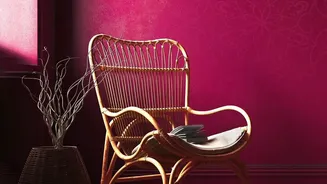
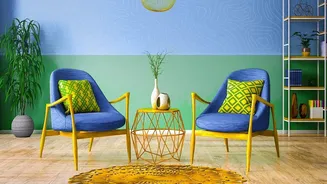
Wooden furniture is particularly vulnerable during the monsoon, as it tends to absorb moisture and swell. If you have solid wood pieces, ensure they are well-polished or have a protective sealant like polyurethane. A simple but effective trick is to maintain a gap of a few inches between your furniture and walls to improve air circulation and prevent moisture transfer from damp walls. Materials that fare better in high humidity include metal with a powder-coated finish, well-sealed engineered wood with quality laminate, and rattan or cane. For upholstered furniture, consider materials that are easy to wipe clean, like leatherette, or use removable, washable covers in quick-drying fabrics like cotton.
The Finishing Touches: Smart Accents
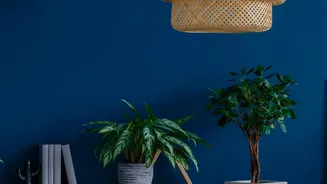
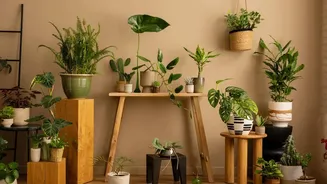
Small decor choices can also contribute to a drier, fresher home. Swap out porous terracotta decor for glazed ceramic or metal accents. Ensure good ventilation by using ceiling and exhaust fans to keep air moving, which is one of the most effective ways to combat indoor humidity. Using a dehumidifier in particularly damp areas like closets or basements can make a significant difference. Finally, embrace the season by bringing in some greenery. Many indoor plants, such as snake plants and palms, can help absorb excess moisture from the air while adding a touch of natural vibrancy to your home.